

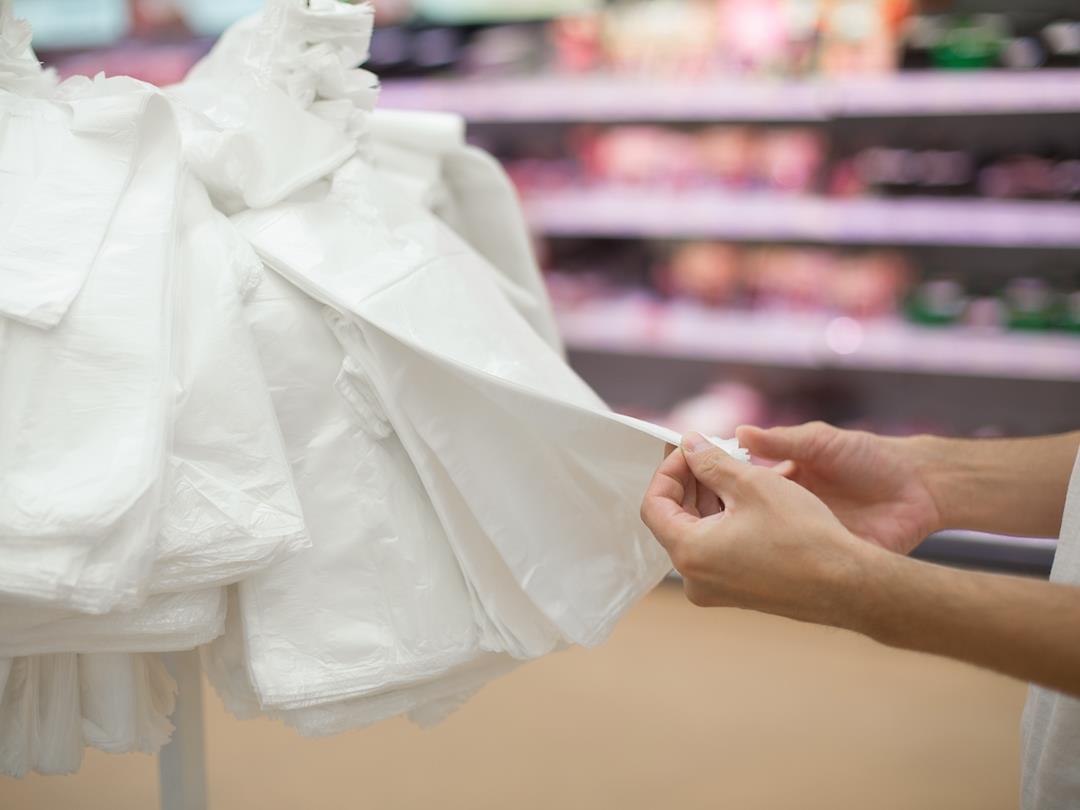
In a rush? Click here to read a short summary of this article
This report investigates the global overuse and improper disposal of single-use plastic bags, highlighting the psychological, cultural, and systemic factors that drive this behaviour. It also assesses the effectiveness of legislation and retailer-led interventions in shifting consumer habits and curbing plastic waste.
- Convenience trumps intention: Consumers across regions cite convenience and habit as key reasons for continuing to use plastic bags, even when they support bans or understand the environmental impact.
- Legislation alone isn’t enough: While bans and levies can lead to short-term reductions in plastic bag use, long-term success depends on consistent enforcement, clear penalties, and inclusion of manufacturers and retailers, not just consumers.
- Retailers shape public norms: Retailers are a crucial link between legislation and consumer action. Their policies, pricing, and messaging significantly influence whether consumers adopt reuse habits.
- Social signals beat scare tactics: Messaging that promotes social norms (e.g., “most people reuse bags”) is more effective than guilt or fear-based campaigns in driving behaviour change.
- Incentives work, but need backup: Financial nudges like levies or discounts can prompt reuse, but without education or ongoing visibility, they may not lead to lasting behavioural shifts.
- Local context matters: A one-size-fits-all approach risks backlash or non-compliance. Successful plastic bag policies are grounded in local consumption habits, infrastructure, and trust in government.
The fight against plastic bag waste relies on changing minds and habits. Lasting impact depends on collaboration between governments, consumers, and especially retailers, who are uniquely positioned to bridge the gap with targeted incentives, education, and social cues. Future efforts should combine strong policy with tailored, on-the-ground campaigns to shift norms and support sustainable choices at scale.
Have researchers from the University of Tartu, Riga Technical University, and the Latvian State Institute of Wood Chemistry discovered the secret to successful plastic bag restrictions: retailers? In this edition of the Brief, we consult their breakdown of plastic policies in twelve global countries and find the optimal balance between impactful legislation, retail campaigns, and consumer behaviour.
Consumers
The paper identifies similar reasons for the overconsumption and improper disposal of plastic all over the world, with both personal and external factors playing a role; but which roadblocks take precedence apparently varies from country to country.
Single-use plastic bags are convenient and practical. Shoppers are accustomed to being offered or given one at point-of-sale, to the point where Botswanan consumers have reportedly attributed their continued plastic bag use to habit and availability, despite the corresponding levy enforced in their country.
As such, adjusting to reuse behaviours could require a sustained and active effort on the consumer’s part, especially if they are not directly affected by plastic waste and its consequences.
They may already be short on discretionary time, or time outside the completion of daily necessities, and feel burdened by extra reuse requirements: purchasing a reusable bag, remembering to bring it on shopping trips, etc.
Even if consumers say they value sustainable practice, they may not actually participate in it – this phenomenon is known as the ‘intent-action gap’. The paper gestures towards case studies across several countries, with 84% of Nepalese shoppers supporting a ban on plastic bags but only 14% taking up reusable alternatives.
Similarly, 40% of Chinese consumers expressed a willingness to bring reusable bags to the grocery store in a survey, but only 17.5% were found to actually do so. Convenience once again emerges as a roadblock, with respondents from China admitting that single-use bags are easier in this sense; those from South Africa cited the perceived inconvenience of carrying reusable bags home.
So, too, can unquestioned social norms influence plastic bag consumption. Plastic packaging has long been linked with hygiene, for example, and while there is a real correlation between the two – one that was responsible for the postponement or outright reversal of several plastic reduction and management strategies during the COVID-19 pandemic – there may be instances where consumer perception does not line up with the reality.
To name just one, consumer preference for fresh produce in single-use plastic bags has been used as an argument against selling fruits and vegetables loose. This is an ongoing discussion in the packaging industry, especially as the Packaging and Packaging Waste Regulation comes into force and restricts plastic packaging options for lightweight fruit and vegetables.
There is also a prevalent belief that, despite costing more money, sustainability-minded packaging alternatives are weaker and less effective than single-use alternatives.
Altogether, these factors create a culture wherein reusable bags are viewed as an extra effort, sometimes an additional expense, and an ultimately unnecessary consideration when most establishments will provide a single-use bag at checkout regardless. Changing this mindset will require broad strokes – clearly a general awareness of the plastic waste crisis isn’t enough.
Legislation
With recyclability thought to be one of the most ‘critical limits’ on the sustainable consumption of plastic bags, the researchers urge international governments to establish the necessary waste infrastructure, develop corresponding legislation, and keep encouraging consumers to take up reusable alternatives.
Banning single-use plastic bags and introducing penalties for non-compliance are suggested as the ‘most effective’ measures to prevent plastic waste; in line with the waste hierarchy pyramid, these are preventative measures, which take precedence over reuse, recycling, recovery, or disposal. Either levies can be applied to consumers at point-of-sale – the most common measure – or upstream taxes can be enforced for manufacturers, importers, and sellers.
Generally speaking, the researchers find that bans tend to cause a short-term drop in plastic bag consumption. Depending on the severity of their enforcement, they can either lead to the long-term reduction of plastic bag use, or make a brief splash before consumption slowly increases again – sometimes to the point of matching pre-legislation levels.
To ensure the success of complete plastic bans, the paper suggests that governments apply them to all stages of manufacturing, import distribution, and bag use. Bans that disproportionately target consumers apparently fail to curb plastic production at its source and limit the ban’s success, as was reportedly the case in China.
Clearly defined, long-term mechanisms for monitoring compliance are recommended. Punishments for non-compliance should be set, clarified, and actively enforced, and should be steep enough to warrant attention.
For instance, the Indian government is accused of failing to communicate ‘clear and credible’ penalties to its retailers or consumers, leading to similar consumption rates between cities with and without plastic carrier bag bans. Meanwhile, consumers in Zimbabwe, South Africa, and Nepal were said to continue using single-use plastic bags once they became accustomed to paying a new fee.
By contrast, Ireland set a levy over six times higher than consumers were willing to pay for a plastic bag, and the price increased by 47% after five years. These measures are credited for a 95% drop in single-use plastic bag consumption. Still more severe were Rwanda’s threats of steep fines, imprisonment, and the deployment of military personnel to ensure and monitor compliance with single-use plastic bans – though some might consider this excessive.
Consistent strategy and implementation are considered essential to the success of control measures from retailer to retailer. The success of Nepalese and Indian restrictions was said to be limited due to varying fines between municipalities, with some banning all single-use plastic bags and others failing to regulate their use.
Other bans fell short of their potential when they only applied to certain types of bags. Several countries didn’t rule out ‘ultra-light’ plastic bags, meaning those that weighed less than 15 µm; this was said to cut down on regulated bag consumption, but increase plastic bag consumption overall. For example, Chinese sellers ended up placing several ultra-light bags inside each other as a substitute for regular bags.
South Africa’s law was believed to cause wider confusion due to a lack of clarity over exactly which bags would be banned. So, too, was it unclear what the alternative would be, which led to a general lack of adherence.
In Europe, the Plastic Bags Directive is believed to have decreased lightweight plastic bag consumption by 2.2 billion between 2018 and 2019; it stabilized at 19.9 billion bags in 2020. However, ultra-light bag consumption apparently increased from 14 billion in 2018 to 14.7 billion in 2020 – a steady increase that may be rectified by the Packaging and Packaging Waste Regulation’s crackdown on bags weighing less than 15 µm.
Uncontrolled services like wet and farmer’s markets (as well as globally relevant e-commerce, food delivery, and takeaway services) can be difficult to monitor, which must be considered when developing legislation.
Rigid bans on single-use plastics also risk impacting livelihoods in local market applications, and can thus lead to non-compliance; this is because the necessary alternatives to plastic bags are more expensive than paper replacements, and are often harder to come by in developing countries.
If a greater variety of alternative bags – ones that accommodate both dry and wet product applications – are offered to both businesses and consumers, more independent sellers are expected to participate, and legislative success is hoped to improve.
On this note, the paper recommends studying local consumption habits and consumers’ sustainability mindsets before establishing an environmental tax. It raises Portugal as evidence, where 37% of respondents claimed that plastic fees worsened their recycling habits, while 47% reported a positive spill-over. Gratification mechanisms should take shoppers’ needs and habits into account, the researchers emphasize.
Similarly, imposed legislation must include a compensation mechanism to amend for any financial losses caused; without them, upstream suppliers may not be willing to comply.
Policymakers in India were found to face pressure from ‘powerful private sector interests’ in a previous case study; interference like this can weaken the implementation of otherwise strict regulations – but manufacturers and retailers must also be treated as essential stakeholders in the matter, the paper asserts.
Governments should also consider the speed at which the legislation is implemented, and how long it will take businesses and consumers to adjust. The researchers point to Zimbabwe, where retailers were given a six-month grace period despite a plastic bag stock expected to last for a further 4-5 years.
Trust in a country’s leadership can impact legislative success, too. For example, Portuguese respondents generally agreed with a plastic tax; yet, due to the alleged failure of Portuguese officials to clarify that the tax revenues would go towards environmental protection initiatives, the general public perceived it as a means of lining the State’s pockets. In turn, it fell short of changing the perception of plastic’s health and environmental impacts.
On the other hand, a ‘strong’ publicity campaign preceded Ireland’s levy; it clarified that all revenues would go towards a range of environmental programmes, dispelling any assumptions that retailers would profit from bag sales. The paper emphasizes that ‘extensive consultations’ with the general public and various stakeholders before the levy was enforced helped garner wider support.
In any case, the paper argues that setting legislative targets too high has the potential to harm businesses, turn them against sustainability-minded progress, and limit a consumer’s options to less sustainable packaging practices; and, by extension, that legally enforcing changes in behaviour is less likely to achieve long-term success. Rather, the general population should be led into voluntary action, as this increases the likelihood that they will adopt waste-reducing behaviours in other contexts.
Australia is cited as a case study. Members of the public responded well to voluntary beach clean-up days, which they could choose to participate in; but the same population apparently resisted restrictions on single-use plastic bags and forced retailers to distribute them for free again after only a week.
On the other hand, Greece’s reuse rate was apparently driven up when retailer campaigns raised awareness about plastic bags’ environmental impact. As the researchers proceed to explore, retailers are considered good influences when it comes to sustainability behaviours and play a key role in the success of single-use plastic bans.
Retailers
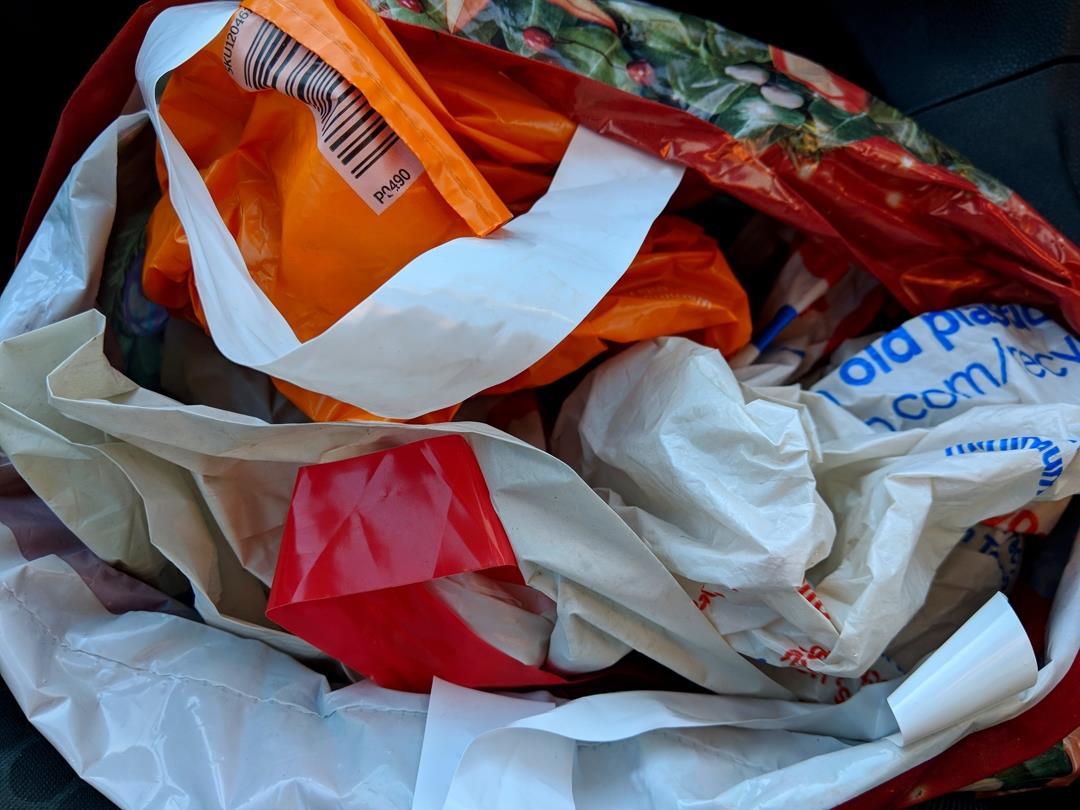
Bridging the gap between governmental organizations and the everyday consumer, retailers hold increasing economic power, establish trustworthy reputations with consumers, and are considered a prevalent source of packaging, be it single-use or reusable. Without them, the paper argues, consumers have ‘limited opportunities to make environmentally responsible choices’.
Consumers are aware of this dynamic, to the point where they might expect retailers to take the lion’s share of responsibility. Previous research revealed that members of the Nepalese and Australian public were aware of their countries’ respective restrictions on plastic bags, yet shoppers in Nepal considered it a retailer’s job to put the rules into action, while Australians expected to receive reusable bags for free in exchange for their customer loyalty.
Nevertheless, social norms and stereotypes have historically dissuaded retailers from adopting reuse, and their reliance on single-use remains an international problem. From Australia to India to Zimbabwe, providing consumers with a single-use bag, often for free, is an established part of the customer service experience. Failing to do so is feared to dissuade shoppers from returning to the establishment – an outcome that, in some places, could impact workers’ livelihoods.
If all-out bans are a risk, then the other solution to cutting down on single-use is an effective communication campaign. The researchers believe that, with the appropriate planning, retailers can run public education and awareness-raising initiatives that achieve the difficult task of changing consumer behaviour – and, in doing so, both complement and maximize the impact of governmental legislation.
Efforts to promote reuse should consider and appeal to different personality types. Some consumers already value social responsibility, making them more likely to reflect on their unsustainable behaviours and correct them, whereas others – those the authors describe as having ‘high egoistic values’ – are willing to sacrifice sustainable practice if they consider it too high-maintenance or expensive.
In such circumstances, steps can be taken to make single-use less appealing than alternative measures. Shoppers are more likely to commit to reuse if they are rewarded for it with a discount or cashback scheme, for example. Where deposit return schemes apply, the promise of a refund tends to be an effective motivator.
Conversely, levies can deter single-use bag consumption. Whether or not they hold environmentalist beliefs, thrifty or financially restricted consumers are more likely to embrace reuse if it saves them money. Still, the authors emphasize that this method foregrounds price, not sustainability, and is less likely to permanently alter a consumer’s behaviour if it is not backed by an effective information campaign.
The researchers cite a survey monitoring Portuguese consumers’ reasons for switching from single-use to reusable bags. While saving money was the overriding factor at first, more respondents began to cite environmental benefits after the national levy was implemented – an outcome suggesting that awareness campaigns effectively communicated the tax’s purpose and the environmental impact of single-use bags.
Simply stating facts and raising awareness about the environmental impact of plastic waste, its impact on human health, and effective waste management may not be enough to convince a consumer to carry a reusable bag – especially if those messages are perceived as alarmist. In fact, too much theoretical information is believed to overwhelm and ‘trap’ consumers in unsustainable practices.
Rather than focusing on prevention, the paper argues that promotional messages like “thrive for a clean environment” are more effective for cutting down on single-use plastics. Messaging should break down the positive and negative consequences of an individual’s choices and convince them that their choice to switch to reuse will make a direct difference for the planet.
It is recommended that retailers conduct a ‘comprehensive assessment of the retail sector’ before implementing informative campaigns. These should examine consumer preferences, consumption patterns, and the determining factors behind sustainability behaviours within specific regions. A cost-benefit analysis is also recommended in the process of selecting the most appropriate alternative to plastic bags.
One example of an effective campaign reportedly took place in Canada, when the government categorized plastics as a toxic substance based on a scientific report covering plastic pollution. This move is credited for a 97% reuse rate for shopping bags, with both consumers and retailers supporting the change.
Retailers are specifically encouraged to change consumer behaviour via collective influence and social acceptance. The paper cites a study conducted at a hotel, wherein a sign reading “the majority of guests reuse their towels” led to higher reuse rates than a sign that only emphasized the environmental benefits. In a similar way, communication channels like in-store marketing could help establish a new social norm among shoppers.
Another method is to give compliant consumers public recognition. Attributing social currency to reusable packaging encourages individuals to adopt it more widely, and to persist even when it causes inconveniences. The initial incentives should be upheld for a significant period of time, then slowly rolled back as consumers begin to appreciate the benefits of reuse and form new habits.
As Greece’s levy increased in price, supermarkets sought to avoid public backlash by joining forces with non-profit organizations and developing an educational strategy to explain the single-use plastics crisis, how the new legislation sought to respond, and the alternative packaging on offer.
The campaign is believed to have reduced single-use bag consumption by 99.9% – a feat attributed to its appeal to consumers motivated by both financial incentives and a moral dedication to the environment.
Collaborating with a non-profit environmental organization is thought to have reassured consumers that retailers were not acting in their own self-interest, while consumers were given the opportunity to appear more environmentally conscious among their peers.
It is worth noting here that, according to research, retailer influence is generally more prevalent in the West. Countries in Africa and Asia place a greater emphasis on family-owned businesses and street vending than those in Europe or North America, which might limit the influence supermarket chains have over consumers in the East.
There are also instances where retailers have too much power, the researchers warn. Botswana is raised as an example; despite its national legislation setting harsh punishment for non-compliance, it did not specify how much retailers should charge. Prices were thus set by retailers and varied between companies, enabling them to pocket the profits.
Nevertheless, the paper’s final takeaway is that the specific ban, levy, or penalties implemented are not the deciding factor in the success or failure of plastic reduction legislation. Instead, the extent to which retailers are involved in developing, implementing, and promoting the policy is uplifted as the key influence.
Some may disagree with that assertion, but the role of retailers in plastic restrictions is undeniable. Major players have already set out reduction strategies, some have stopped offering single-use plastic bags altogether, and their contribution is expected to keep hundreds of tonnes of plastic out of landfills annually.
Given their ubiquity in most countries, they stand a fighting chance at influencing consumer behaviour on a wider scale – and providing the general public with the knowledge and tools to combat plastic waste outside the supermarket.
If you liked this story, you might also enjoy:
The ultimate guide to the Packaging and Packaging Waste Regulation in 2025
How are the top brands progressing on packaging sustainability?
Everything you need to know about global packaging sustainability regulation in 2025
The key to increasing the use of reusable packaging in supermarkets
Sponsored stories

How ATS-Tanner’s banding solutions align with the new PPWR
ATS-Tanner’s banding solutions aim to reduce packaging waste, provide a practical alternative to plastic and improve recyclability. In

How Rollon’s linear systems provide reliability for tertiary packaging
Rollon believes tertiary packaging machinery must perform without fail, showcased by its recent partnership with AMP Automation to develop palletizing

Discover what’s new at London Packaging Week
Packaging has never carried greater commercial responsibility. It influences how consumers perceive brands, how products perform in increasingly competitive markets

Paperworld Middle East partners with FSC to champion responsible sourcing across the region’s paper and stationery industry
Paperworld Middle East, the region’s leading trade show for paper and stationery products, taking place from 13–15 October

Made for Life: How Sappi reveals what trees make possible
What connects an experienced papermaker, the creators of cactus-based leather, the people conserving forests for future generations, and a

The advantages of all-electric adhesive dispensing in modern packaging
Packaging manufacturers are under constant pressure to increase output, reduce operating costs, improve sustainability, and maintain consistent product quality. One

YUTO won 12 international packaging design awards across three global competitions
Driven by the global sustainability trend, the EU PPWR mandates packaging reduction, recyclable design, and restrictions on single-use packaging.

How rPS Food aims to bring circularity to polystyrene packaging
In this edition of the Spotlight, Coexpan (part of Grupo Lantero) details how its rPS Food enables up to 100%
Read next

Your chance to decide the winner of our 2026 Readers’ Award
The nomination period for Packaging Europe’s 2026 Readers’ Award has ended, the finalists have been selected, and now it’

Südpack unveils mono-PP pouch solution for yoghurt drink market
Südpack has launched a recyclable, mono-material polypropylene (PP) flexible pouch aimed at the drinkable yoghurt market. The company identifies

Nemera launches bi-dose nasal spray solution
Drug delivery device company Nemera has announced its DuoSpray bi-dose nasal spray platform, a ‘non-invasive, needle free’ administration