

Click here to read a short summary of the full story
Introduction
As the packaging industry seeks to reduce reliance on fossil-based plastics, novel biobased feedstocks offer a promising – yet still largely untapped – alternative. This report examines emerging feedstocks, the complex challenges of scaling them, and how strategic investment is essential to bring these solutions to market.
Key Takeaways
- Three main innovation tracks are shaping the biobased packaging space: making traditional polymers from renewable sources (like PET from sugarcane), developing entirely new biopolymers (such as PHAs and PEF), and creating non-polymer-based materials (e.g. mycelium or algae-based packaging).
- Cost remains the biggest barrier: Fossil feedstocks are cheap and entrenched, making it difficult for sustainable alternatives to compete without policy or financial support.
- Scaling is a dual challenge: Startups face not only technological hurdles but also market entry friction, especially when introducing unfamiliar polymers to conservative value chains.
- Policy support is fragmented: While EU strategies endorse biobased plastics, inconsistent legislation and regulatory red tape create uncertainty and inhibit progress.
- Investment is make-or-break: Venture capital and open innovation partnerships are crucial to overcoming funding gaps, accelerating R&D, and forging strategic industry connections.
Conclusion
Novel biobased feedstocks have moved beyond concept into credible innovation pipelines — but scale and impact depend on targeted investment, policy clarity, and collaboration across the value chain.
There are many possibilities today for novel, biobased packaging feedstocks, but they are challenging to scale and investment is vital. Victoria Hattersley looks at just some of the more promising feedstocks and talks to an investor and startup in the field.
In this report, we’re going to talk about feedstocks – more specifically novel feedstocks. Because, while we can all agree it’s vital that the industry and governments continue to focus on improved recycling infrastructure and advanced recycling technologies to boost circularity, it’s also clear that we need to begin finding viable alternatives to petrol-based virgin plastics. And by viable, we of course mean scalable.
This is an important topic because, as Luna Yu, CEO of Genecis Bioindustries, a biotech startup turning organic waste into biodegradable materials, explains, “Scaling a novel bioplastic feedstock, particularly in a startup environment, presents numerous challenges. The difficulties in transitioning from laboratory or pilot-scale production to industrial-scale manufacturing are considerable, especially for non-fossil feedstocks like bioplastics.”
To explore this, the first half of this report will give an overview of the kinds of feedstocks we are talking about and the challenges or barriers companies face in scaling them. We spoke with Hasso von Pogrell of European Bioplastics to get his take on the current state of the market.
The second part will focus on the crucial role venture capital investment and open innovation partnerships can play in helping to scale up these feedstocks – or indeed new green technologies in general – so that, in time, many may not be ‘niche’ at all.
To give some idea of what this might look like for a specific company – as well as hopefully providing useful tips for other startups – this report will include a case study of such a partnership: Genecis Bioindustries has recently received investment from venture capital and open innovation firm Emerald Technology Ventures, and we talked to representatives from both companies to get their perspectives on the benefits for both sides.
1 - An overview of novel packaging feedstocks
Feedstocks matter because the monomer source has a significant impact on the overall environmental footprint of a package, whether that is related to the production of the material or the way it behaves at the end of its life. Research and innovation into newer feedstocks for packaging materials can broadly be divided into three areas: the first is using biobased building blocks to create existing forms of polymers such as PET from sugar cane (Coca-Cola’s plant bottle is a prominent example of this), or PP from waste oils; the second is creating entirely new polymers that are fully or partly biobased.
Here, some of the most well-known examples include polylactic acid (PLA), a biopolymer developed from renewable resources like corn starch or sugar cane; or polyhydroxyalkanoates (PHAs), which are polyesters synthesized using oils from the seeds of plants like canola or soy (polyhydroxybutyrate (PHB) is a promising new type of PHA). Another emerging material is polyethylene furanoate (PEF), a biobased plastic made from fructose and biobased MEG. As yet, this has not been introduced to the market but it has drawn much interest.
Algae – as we’ve all no doubt heard – is another promising feedstock. Just one recent example is an algae-based polymer packaging developed by Somater and Eranova. There are also possibilities for transforming gases such as methane into biomaterials. California-based startup Mango Materials is working to transform methane from wastewater treatment plants or landfills into bioplastic, which will then it says biodegrade back into methane.
A third route is to use biobased feedstocks to create non-polymer-based materials. For example, mycelium-based packaging – created from the root networks of mushrooms – is being explored by both major players and startups for its possibilities in packaging. The Magical Mushroom Company, for example, has been producing secondary and FMCG packaging from this material since 2020.
There are different challenges depending on which of these main routes you go down. When using novel feedstocks to produce existing polymers, “you have a challenge upstream – how do I identify the right feedstocks? How do I convert them? How do I ultimately come up with a performing polymer? – but less of a challenge downstream because the product is known in the market and people know where to use it and what the properties are,” says Fredric Petit, a partner at Emerald Technology Ventures.
“With new kinds of polymers, on the other hand, you have the upstream challenge combined with a downstream challenge, because the polymer is new to the market.”

2 – Barriers to wider uptake of novel feedstocks
While, as we have seen, biobased packaging materials are on the rise with several promising new areas of research, it’s true to say that they still make up a very small percentage of the overall packaging market. So why is the use of these materials not growing as much as their proponents would like?
- Cost: In short, the main issue today is that fossil-based feedstocks are still extremely cheap, which makes it impossible for biobased feedstocks to compete on price. There has been talk about the necessity of increasing oil prices in order to foster investment in alternatives, but no concrete movements in that direction as yet.
Companies such as Genecis, which works in the area of PHAs, are attempting to address this cost issue by using waste feedstocks, which can significantly lower the input costs.
- Lack of funding: The financial challenge also extends to developing the use of novel feedstocks in the first place. Without the funding into development and pilots to ensure these new materials are provably functional and scalable, they will never achieve parity with fossil-based equivalents.
This is where companies such as Emerald Technology partners – as well as government investment – are so crucial.
“Investments should be targeted to incentivizing the change of the mindset in the economy, moving away from non-renewable feedstock, and should sustain research and innovation in the long-term in alternative feedstock resources,” says Hasso von Pogrell, managing director of European Bioplastics.
“Incentives should also be made available for industrial players to access and use existing research results and scale them up to more mature technology readiness levels suitable for commercialization. In this framework, a collaboration between academia and industrial players should be further fostered, also through the continuation of thematic initiatives, and private-public partnerships focusing on innovation, such as the Bio-based Industries Consortium and the European Institute of Innovation & Technology.”
- Legislation: Lack of harmonization can really slow growth in new technologies. In Europe. According to Hasso Von Pogrell, “in the Communication on Sustainable Carbon Cycles, the European Commission announced that at least 20% of carbon used in chemical and plastic products will come from sustainable non-fossil sources by 2030.
“The Commission’s Communication on a Green Deal Industrial Plan for the Net-Zero Age also refers to the development of biobased substitutes. However, in reality, there is a discrepancy between the high-level political support for the bioeconomy and actual EU legislation for biobased and compostable plastics (i.e. Single Use Plastics Directive, Fertilizer Regulation, PEF method, Waste Framework Directive, PPWR). This leads to legal uncertainty, hampers investment in the sector and creates barriers to market entry and expansion.”
Meeting legislative standards is also time-consuming, with many hoops to leap through. “Meeting regulatory standards for new materials, especially those intended for use in sensitive applications like food packaging or medical devices, can be lengthy and costly,” says Luna Yu. “Each new material must be thoroughly tested to meet safety and environmental guidelines.”
- Performance: Because many materials based on renewable feedstocks are in their infancy, developers are still working on ways to enhance performance when it comes to strength, barriers, food contact compliance, recyclability/biodegradability, and so on.
Luna Yu uses the example of PHAs, which “can vary based on the feedstock, production process, and inherent nature of biological organisms. Ensuring consistent quality in terms of mechanical and barrier properties can be more challenging compared to traditional plastics, which have been standardized over decades of development and use chemical synthesis techniques.”
- Market acceptance: The market for fossil-based materials is well-established, but many users are still understandably cautious about newer materials. Before customers will accept materials based on novel feedstocks they need to be convinced of their performance and cost-effectiveness as compared to traditional materials.
Again, this comes partially back to the need for investment from larger players in pilots for proof of concept, as well as marketing and educational efforts – all of which require considerably more resources than a startup is likely to have.
3 – Case study: Why investment is crucial (and how to attract it)
We touched above upon the Emerald Group’s investment in the startup Genecis Bioindustries. We spoke to both sides in some detail as it’s a useful illustration of the importance of venture capital and open innovation when it comes to fostering sustainable development.
The concept
To briefly describe the technology behind Genecis: the company has developed a novel approach to transform organic waste into biodegradable plastics PHAs, using specialized microbial technology. The idea is to utilize cost-negative waste feedstocks — primarily food waste — and transform them into valuable fully biodegradable plastics. “This approach, says Luna Yu, “not only addresses the issue of waste but also contributes significantly to reducing the carbon footprint associated with plastic production.”
According to the company, aside from the environmental and cost benefits of this over other PHA technologies, it also offers speed to market as “it can be integrated quickly into existing infrastructure, allowing for faster scale-up and commercialization.” There are also, it says, a range of routes for upcycling, including mechanical recycling, chemical recycling, waste-to-energy and agricultural applications (whether from composting or anaerobic digestion, PHA residues can be used to improve soil fertility).
The investor’s role – advice for startups
Fredric Petit of Emerald Technology Partners explains the very specific role his firm plays and how it can help startups to scale their innovations. “We are the matchmaker between startups and corporates for collaborations, for joint development agreements, for commercial agreements, and so on. As such, while we are of course a venture capital firm this is not purely what we do; we are as much an open innovation partner. As a startup, you need to have proof-of-concept projects with big corporates.
But next to financial support, startups also need these corporates as suppliers, as manufacturing partners, as research partners or as customers. It can of course take a lot of time for startups to find the right people to talk to in these large organizations. We work with some 50-plus corporates from around the world to facilitate this, among other things. And then, as a venture capital firm, of the 2000 startups we assess every year, we identify the most promising ones.”
For those startups looking for investment, what does ‘most promising’ mean and how can they give themselves the best chance of success?
“More than anything, we want to know what your innovation is and what makes it unique. We view a lot of startup pitch decks and many of them will start with pages talking about how much plastic use there is in the world, the challenges there are, and so on. But I’m much more curious to see what exactly you are going to bring to the market. What’s your invention and do you have it patented or in what other ways have you protected it?
“Then we need a picture of your attainable market: what are the applications and customers for your solution? Is it for a niche application or is there potential for much larger volumes? What technology readiness level (TRL) are you at – i.e. have you proven your innovation only in the lab, do you already have a small pilot plant or do you even have some customer referrals? All of these are key questions we need startups to answer.”
Fredric goes to explain why, in this context, Genecis was selected for investment and the role Emerald plays. “We got excited about what Genecis brought to the table because they had found a way to work with biogas producers who turn organic waste into biogas: that’s an existing thing which means they had a bolt-on technology so it does not require hundreds of millions of dollars to build a large, dedicated facility to produce the PHAs – an existing biogas producer can install it in their plant.
“At the same time, they have also addressed the feedstock question related to PHA as they are not using a food source but rather food waste. [n.b. As we know, there is some controversy about the notion of taking agricultural products that could be used for food and turning them into biomaterials.] So they have addressed the feedstock challenge, the cost challenge and the performance challenge.”
The startup perspective
From the startup point of view, what advice would Luna Yu give to other young companies looking to find investment for their novel feedstock technologies, or indeed any green technologies?
“Securing investment requires demonstrating that your technology not only contributes positively to the environment but is also backed by a viable business model that promises growth and profitability,” she says. “With a clear strategy and perseverance, attracting the right investors for your green technology can become a more attainable goal.”
Alongside the all-important investment, strategic advice and corporate connections, Luna Yuna lists some of the most important lessons Genecis has learned from working with Emerald that it can take forward into its next iteration.
- The importance of alignment: It’s crucial that the startup and the VC share the same vision and goals for the company, particularly in terms of growth trajectory and the balance between profitability and sustainability.
- Preparedness for scale: Startups learn to scale their operations efficiently, often transforming from small-scale, flexible operations to more structured, high-volume production.
- Navigating investment expectations: Startups need to manage the expectations of their investors, balancing rapid growth with sustainable, long-term strategies.
- Enhanced business acumen: The rigorous analysis and strategic planning involved in VC partnerships can significantly enhance a startup’s business skills and market understanding.
Luna also shared with us an 11-step strategic plan that startups can follow on their path to investment. Those who are interested can find it in the supplementary material at the end of this report.
4 – Promising signs of growth
Aside from the biobased materials already available on the market, Hasso von Pogrell highlights several emerging varieties to keep an eye on in the coming months and years. He tells us the results of the EU-funded project BioSupPack, which is working on PHAs and PHBs for the production of packaging for agri-food, are ‘very promising’.
Alongside these, he highlights some research projects that are looking at other sources, such as cooking oils or pasta waste, “but the research here is still at a very basic level, and the TRLs still need to be increased to offer a viable solution for a wider market uptake.”
Indeed, as Luna Yu points out, “Theoretically all organic wastes can be used as feedstocks for bioprocesses, each with their own advantages and challenges (abundance, cost, accessible carbons, consistency, etc.). Yeast waste from pharmaceutical and biotech companies like Novo Nordisk represents a unique opportunity.
“This by-product from the production of insulin and other biological products is highly consistent and nutrient-dense and can be converted into high-value biopolymers. The use of such industrial by-products not only provides a sustainable feedstock for packaging materials but also contributes to circular economy principles by upgrading waste streams.”
While not all the potential emerging feedstocks will come to take a larger market share or move beyond the ‘niche’ category, it does seem there is reason for optimism.
“There’s never been a better time for startups in the packaging space,” says Fredric. “A couple of years ago, you had to be a software as a service company in order to be sexy and attract investments, but today the number of new companies in the biobased packaging space is increasing every year.”
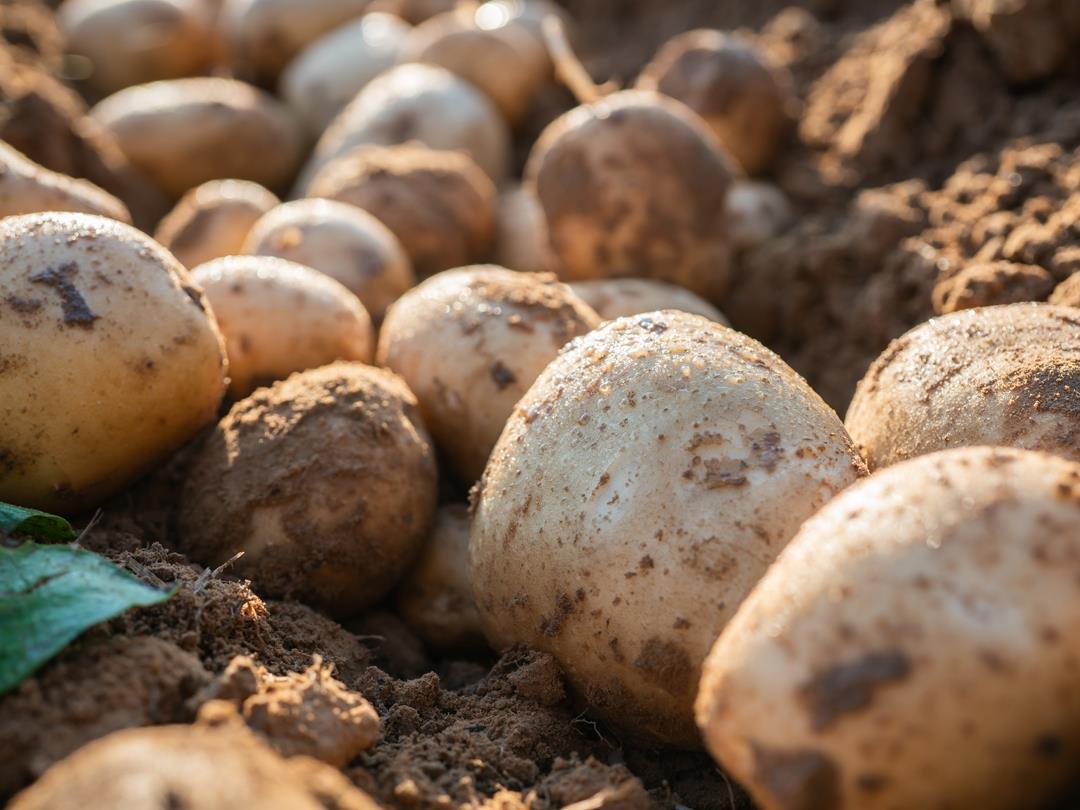
One thing to note is that in the future the kinds of bio-feedstocks used for packaging materials may vary around the world for pragmatic reasons: more potato peel in Europe, for example, or more sugar cane and molasses in South America.
And finally, while the importance of investment from corporates and companies such as Emerald cannot be overstated, private investment often by its nature can come with limited knowledge. It’s also therefore crucial that everyone needs to invest in promising new feedstocks: governments, brands, raw material suppliers, waste management – the collective knowledge of all aspects of the value chain is required.
SUPPLEMENTARY MATERIAL
Genecis Bioindustries: Tips for securing investment
Securing investment for green technologies can be challenging but rewarding, given the growing interest in sustainability and renewable resources. Here are some strategic tips that young companies can consider when seeking investment:
1. Clearly Define Your Value Proposition
- Ensure that your technology offers a clear and compelling value proposition that addresses specific problems in the sustainability sector. Investors need to understand not only how your technology works but also how it improves upon existing solutions in terms of cost, efficiency, environmental impact, or scalability.
2. Highlight the Market Potential
- Demonstrate a thorough understanding of the market for your green technology. This includes sizing the market, identifying the target customers, understanding regulatory impacts, and analyzing competitors. Showing a large and growing market is crucial for attracting investment.
3. Showcase a Scalable Business Model
- Investors are particularly drawn to business models that can scale. This might involve showing how your technology can be adapted across different markets or geographies, or how it can be integrated into existing industrial processes or supply chains.
4. Build a Strong Team
- Having a team with the right mix of technical expertise and business acumen is crucial. Investors often bet on teams as much as they bet on ideas. Highlight the qualifications, experience, and past successes of your team members.
5. Demonstrate Traction and Milestones
- Provide evidence of traction through pilot projects, partnerships, customer testimonials, or initial sales. Achievements like these not only validate your business model but also demonstrate your ability to execute on your business plan.
6. Develop a Robust Financial Plan
- Your financial projections should be realistic and based on sound assumptions. Be ready to explain how you arrived at these projections and how the investment will be used to achieve your growth targets.
7. Focus on Networking
- Leverage industry conferences, green tech incubators, and networking events to meet potential investors. Being part of a community or hub focused on sustainability can also lead to more targeted investment opportunities.
8. Leverage Grants and Non-Dilutive Funding
- Explore grants, competitions, and government programs designed to support green technologies. This type of funding can be particularly useful for early-stage companies before they are ready to attract larger equity investments.
9. Prepare for Due Diligence
- Ensure that all your legal, financial, and business documentation is in order. Investors will conduct a thorough due diligence process, and being prepared can significantly speed up the investment process.
10. Articulate the Impact
- Since your company is focused on green technologies, emphasize the environmental or societal impact of your innovation. Many investors are motivated by the potential to effect positive change, especially in sectors like clean energy, waste reduction, and sustainable agriculture.
11. Practice Your Pitch
- Your ability to communicate clearly and persuasively can make a significant difference. Refine your pitch to ensure it is compelling, concise, and tailored to the interests of potential investors, particularly those who specialize in green technologies or sustainability.
If you liked this story, you might also enjoy:
How are the top brands progressing on packaging sustainability?
Sustainable Innovation Report 2024: Current trends and future priorities
Reuse vs. single use – which is better for the environment?
The ultimate guide to global plastic sustainability regulation
Sponsored stories

How ATS-Tanner’s banding solutions align with the new PPWR
ATS-Tanner’s banding solutions aim to reduce packaging waste, provide a practical alternative to plastic and improve recyclability. In

How Rollon’s linear systems provide reliability for tertiary packaging
Rollon believes tertiary packaging machinery must perform without fail, showcased by its recent partnership with AMP Automation to develop palletizing

Discover what’s new at London Packaging Week
Packaging has never carried greater commercial responsibility. It influences how consumers perceive brands, how products perform in increasingly competitive markets

Paperworld Middle East partners with FSC to champion responsible sourcing across the region’s paper and stationery industry
Paperworld Middle East, the region’s leading trade show for paper and stationery products, taking place from 13–15 October

Made for Life: How Sappi reveals what trees make possible
What connects an experienced papermaker, the creators of cactus-based leather, the people conserving forests for future generations, and a

The advantages of all-electric adhesive dispensing in modern packaging
Packaging manufacturers are under constant pressure to increase output, reduce operating costs, improve sustainability, and maintain consistent product quality. One

YUTO won 12 international packaging design awards across three global competitions
Driven by the global sustainability trend, the EU PPWR mandates packaging reduction, recyclable design, and restrictions on single-use packaging.

How rPS Food aims to bring circularity to polystyrene packaging
In this edition of the Spotlight, Coexpan (part of Grupo Lantero) details how its rPS Food enables up to 100%
Read next

Your chance to decide the winner of our 2026 Readers’ Award
The nomination period for Packaging Europe’s 2026 Readers’ Award has ended, the finalists have been selected, and now it’

Nemera launches bi-dose nasal spray solution
Drug delivery device company Nemera has announced its DuoSpray bi-dose nasal spray platform, a ‘non-invasive, needle free’ administration

Coveris develops mono-material sleeve with 30% less material for Dr Beckmann
Coveris has unveiled its mono-material sleeve solution developed for Dr Beckmann, said to use around 30% less material than