

In a rush? Click here to read a short summary of this report
Introduction
The UN’s Global Plastics Treaty is nearing completion, aiming to create legally binding rules to curb plastic pollution worldwide. This report examines both the treaty’s progress and the broader regional regulations that will shape how countries comply. It highlights where action is accelerating – and where gaps could hold back global goals.
Key Takeaways
-
Treaty momentum but mixed expectations – Negotiations (INC-1 to INC-4) have brought growing agreement on reuse, EPR, and phasing out problematic plastics, but concerns remain over industry influence, lack of production limits, and underplayed health impacts.
-
Six shared global priorities – Investment in recycling infrastructure, scaling reuse models, eliminating hard-to-recycle plastics, mandatory EPR schemes, developing biobased alternatives, and harmonizing rules and definitions.
-
Africa – Policies often focus on collection rather than full life cycle; some bans and EPR laws exist, but infrastructure and funding are limited, with most progress driven by NGOs and informal waste pickers.
-
Asia – Leaders like Japan and South Korea have advanced systems; others face fragmented regulations, limited reuse, and underdeveloped bioplastics capacity. EPR adoption is growing but uneven.
-
Australasia – Voluntary targets under ANZPAC risk being missed; new mandatory packaging design rules are planned. Flexible plastics recovery and compostable systems remain weak points.
-
Europe – Ambitious PPWR reforms set reuse, recycling, and compostable targets, but inconsistent definitions and national variations could hinder harmonization. Deposit return schemes and bans are expanding.
-
North America – Patchwork state-by-state rules in the US contrast with more advanced Canadian policy. EPR is gaining ground, but reuse/refill systems are still limited.
-
South America – Strong brand-led recycling and refill initiatives, but infrastructure gaps, high taxes on recyclate, and lack of coordinated national programs hold back wider progress.
Conclusion
The treaty’s success will depend on closing the gap between high-level commitments and on-the-ground capacity – especially in regions with weak infrastructure and enforcement. Harmonized standards, fair burden-sharing, and sustained collaboration between governments, industry, and civil society are essential. Businesses that act early to align with likely treaty requirements will be better placed to adapt when the rules arrive.
The world sits at a crucial stage in its collective efforts to tackle the growing problem of plastic pollution, with the UN-backed global plastics treaty nearing completion. This report takes a look at the global perspective not only on the Treaty itself but also on the wider regulatory developments across each region that will inform their efforts to comply with its terms.
Introduction: A global plastics strategy
The plastic waste challenge
According to the OECD’s 2022 Global Plastics Outlook report, the world is now producing twice as much plastic waste as two decades ago, driven by growth in emerging markets (although this of course can also be set against broader trends such as demands for convenience and growth in e-commerce). The bulk of this waste is ending up in landfill, being incinerated or leaked into the environment. Only 9% is successfully recycled.
While the report does state that global production of plastics from recycled content has more than quadrupled from 6.8 million tonnes (Mt) in 2000 to 29.1 Mt in 2019, this still only accounts for 6% of total global plastics production. Clearly, more sweeping changes are needed to increase the amount of recyclate available, create more efficient recycling infrastructures, discourage the use of virgin plastics and develop more viable alternatives, such as bioplastics and biodegradables. Hence the need for a globally binding treaty that can be implemented into individual countries’ regulatory frameworks.
Current progress towards a Global Treaty
While there are existing initiatives that aim to address various aspects of plastic pollution at the national, subregional, regional and global levels, these initiatives are mostly fragmented and insufficient.
In March 2022, it was agreed at the UN Environmental Assembly (UNEA) that International Negotiating Committees (INCs) towards a Global Treaty for plastics will be held every six months. During these, a range of stakeholders in business, science, academia, and civil society will express their views on the treaty’s contents and how far its legal powers should extend.
The INC-2 negotiations were held at the UNESCO headquarters in Paris in March 2023. During the session, 135 states called for the establishment of compulsory global standards rather than relying solely on voluntary agreements, such as the Ellen MacArthur Foundation’s Global Commitment – seen by many as a vital stepping-stone towards a formal agreement but not in itself legally binding.
Solutions proposed and discussed at INC-2 included a phase-out or ban of ‘problematic polymers, chemicals and high-risk plastic products’, encouraging reuse and recycling, the more responsible management of plastic waste and promoting recycling as a more sustainable business venture. The session concluded with a mandate for the INC Chair, with the support of the Secretariat, to prepare a ‘zero draft’ of the agreement ahead of INC-3, in Nairobi, Kenya in November 2023.
The general consensus from INC-3 and INC-4 seems to be that there were some positives but overall it fell short of expectations. On the plus side, there is a growing recognition of the importance of reuse and extended producer responsibility (EPR) in the fight to tackle plastic waste. However, this focus on downstream strategies does take the spotlight away from production itself. Indeed, there are concerns that continued plastic, petrochemical and fossil fuel industry participation may even be detrimental to the goals of the Treaty since, by its nature, it can only be successful if the production of both fossils fuels and plastics are drastically reduced. In the face of this, stakeholders are now calling on the UNEP and the INC Secretariat to implement strong conflict of interest policies. There are also other facets that some groups feel have not received adequate attention: for example, scientists have argued that health should be at the centre of Treaty negotiations.
Key focus areas
Addressing plastic waste is a complex problem with many facets to address simultaneously. There have been proposals from a range of organizations on what they feel to be the most vital areas to focus on (refer, for example, to the EMF’s INC-3 recommendations, the UN report ‘Turning off the Tap: How the world can end plastic pollution and create a circular economy’, and comments from the WWF) but if we look at them all, there does seem to be some broad agreement on the major priorities:
- Improved recycling and waste management infrastructure: Plastics must be recycled or composted in practice as well as in theory, and this requires the right systems to be put in place. Policymakers can play a role here through mandatory requirements and investing in plastic collection and recycling infrastructures to reduce overall use of virgin plastics.
- Establishment of reuse models and infrastructure: Moving from single-use to reuse packaging models where possible is vital, as recycling alone will not tackle the plastic waste problem. Many governments are beginning to encourage this through reuse pilots, bans on single-use plastics, minimum reuse requirements, etc., but more must be done to scale this up.
- Reduce or eliminate problematic plastics: Eliminating difficult-to-recycle plastics and simplifying the range of polymers on the market should be on every government’s circularity agenda. At present, most regulations are focused on items such as plastic bags rather than the – arguably far more problematic – plastic wrapper, sachets and takeaway packaging as well as multilayer flexible packages. Alongside bans, the adoption of paper-based or compostable alternatives, where feasible, will be something to explore.
- Establish mandatory Extended Producer Responsibility (EPR) schemes: A steady source of high-quality recyclate is still missing, one of the reasons for which is that collecting, sorting and recycling packaging is such an expensive process that it is not profitable enough for recyclers. To redress this balance, it is now recognized that the responsibility of this cost should be placed, at least in part, on those putting the product on the market in the first place – the packaging producers and brand owners. We are beginning to see examples of EPR schemes on the market but these need to be mandatory and applied across all geographical regions.
- Encourage the development of biobased and biodegradable plastics at scale: Quite simply, the industry needs to reduce its reliance on fossil-based plastics. According to European Bioplastics, global bioplastics production is set to increase from around 2.23 million tonnes in 2022 to approximately 6.3 million tonnes in 2027. Yet while there are alternatives for most widely used plastics and their applications on the market – PHA (Polyhydroxyalkanoates), polylactic acid (PLA), biobased PAs (polyamides) as well as a steady growth of biobased Polypropylene (PP) – they still account for less than 1% of plastics produced annually. As with recycling infrastructure and reuse models, policymakers need to invest in innovative bioplastics solutions.
- International harmonization on all of the above: The scope of regulations across the world varies wildly. Some regions are focused on particular applications or materials, others on different aspects. There can be uncertainty around terminologies – even those as fundamental as the term ‘recyclable’, which is also a roadblock to standardization. Geographically, regulations can sometimes be developed at country level, sometimes at state, and in some regions even at city level which adds further confusion.
Regulatory perspectives by continent
To provide a picture of how each region is responding to the plastic waste challenge as we move closer towards a Global Plastic Treaty, we will take a broad look at each continent individually. This is intended to be a snapshot of the kinds of actions being taken in each region but should by no means be considered definitive.
Africa
Overview
According to the 2022 WWF Plastic Pollution in Africa report, Africa produces 5% and consumes 4% of global plastic volumes. It cites a study which notes that, collectively, six countries – Egypt, Nigeria, South Africa, Algeria, Morocco and Tunisia – made up 75% of the total imported plastic consumption of the 33 African countries. However, the same study also found that other countries, including Ethiopia, Ghana, Kenya and Mozambique, have growing production and imports of plastic goods.
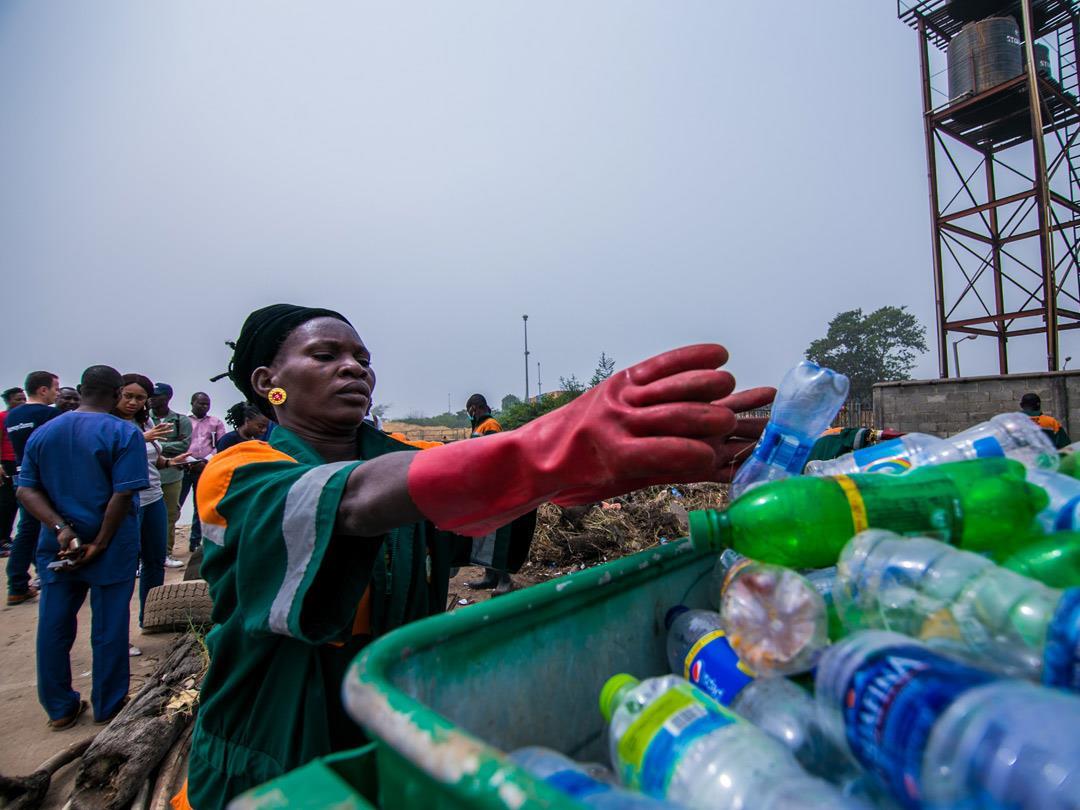
The lack of access to clean water in many African countries has led to a growth in the use of bottled or sachet drinking water, meaning that an increasing volume of bottles, lids, caps and sachets are leaking into the environment.
General legislation and regulation
As the above-mentioned WWF report also notes, there are large policy gaps across the African continent when it comes to plastic pollution. For example, there are no policies or legislations to address activities at the production stage – such as to reduce the use of virgin plastic. Efforts are mainly focused on the collection and treatment of plastic rather than the full life cycle, and these in turn are mainly informal or non-governmental organizations.
This is not to say that there has been no progress at all. The African Union’s Blue Economy Strategy for Africa has encouraged African nations to ‘adhere to national, regional and global instruments, standards and practices’ to tackle the threat of pollution from chemicals and plastics – although the steps through which this will be approached have not been defined.
There is more movement when it comes to voluntary actions: as part of the South African Plastics Pact delivered by GreenCape, 40+ businesses, NGOs, and supporting organizations (including the Department for Forestry, Fisheries and the Environment of the Republic of South Africa) are working together towards achieving a set of circular economy targets for plastics by 2025. The Kenya Plastics Pact (KPP), which was launched in October 2021, is officially supported by the Kenyan Government through the Ministry of Environment, and its membership covers the entire plastics value chain with leading organizations from across the country.
Collection, waste management and recycling
Waste management in Africa is carried out on a regional basis with individual states and municipalities responsible for provisions. However, to date this has proven largely unreliable and there is a wide disparity across cities.
There are some country-specific initiatives, although these need to be developed further. Kenya’s 2021 Sustainable Waste Management Bill states that all public and private sector organizations should factor the segregation of plastic, organic waste and other dry waste into their waste management plans. It also encourages higher use of recycled content and reuse, and suggests providing incentives for private entities to invest in recycling and circularity. All of these targets are in line with overall global frameworks to address plastic waste, but crucially, again, specific commitments and timeframes have not been laid out to put them into action.
Elsewhere, the Democratic Republic of Congo’s Plastics Decree states that it is the responsibility of each decentralized entity to collect and manage public waste. Unfortunately, ongoing conflict in the country coupled with a lack of funding and infrastructure has made it next to impossible for this to be acted upon.
Joseph Nyongesa, Chief Executive Institute of Packaging Professionals Kenya, sums up the situation thus: “There are very good policies, intentions, plans, frameworks – but they are yet to be felt on the ground.”
In fact, when it comes to collection the most impact is being seen from NGOs, ‘social plastic’ initiatives and informal waste-pickers.
Reuse and refill
Joseph tells us that “Africa has been addressing Reduce, Reuse, Recycle and Recover to a significant level but a lot still remains to be done.”
For example, the 2021 South African Plastics Pact Reuse Innovation Challenge featured a number of innovative reuse solutions. There are also examples of individual brand owners implementing reuse and refill; in Tanzania and Kenya, refillables now represent 25% of the sales portfolio of the Coca-Cola Company. Meanwhile Mazzican, available in Tanzania, is a durable and reusable 10-litre food-grade plastic container for hygienic milking and transportation.
However, these are examples of individual initiatives: as yet this growing enthusiasm for reuse has not translated into concrete policy.
Biobased and biodegradable plastics
The market for biobased and biodegradable plastics in Africa is still very much in its infancy – if it exists at all. This is not to say that strong opportunities and potential do not exist but, as Joseph states, “These are still academic and theoretical. Nothing solid is on the ground.”
As an example, a recent study looking at the microplastics burden in Africa stated that: “Africa has some widely spread biobased renewable raw materials that can be harnessed for developing bioplastics. Therefore, biomass-based polymers are promising alternative plastic feedstocks for producing plastics because they can readily biodegrade and break down in industrial compost facilities.”
Challenging-to-recycle plastics
There is no infrastructure in place in Africa to recycle more challenging plastics such as flexibles and multilayer laminates – but this is a common problem throughout the world.
When it comes to eliminating problematic plastics, however, some progress has been made. In certain areas there have been bans on plastic bags or restriction of single-use plastics. In 2017 the Democratic Republic of the Congo (DRC) published a decree ‘prohibiting the production, import, marketing and use of plastics bags, films and other packaging’.
Extended producer responsibility
EPR schemes for packaging are being established in several countries across Africa, including Senegal, Nigeria, the Gambia, and Zimbabwe and South Africa.
In November 2020, South Africa passed its EPR law for paper, packaging and some single-use products. It ‘makes EPR mandatory for all producers and importers of packaging’. This was subsequently amended to clarify definitions on recycling, recycled content and the roles of responsibilities of producers.
Elsewhere, in 2020 the Government of Kenya published a framework requiring all producers to be responsible for setting up take-back mechanisms at products’ end of life, ensuring they are channelled back to collection centres and recyclers. In January 2021 the Kenya Producer Responsibility Organization (KEPRO) was established to implement an EPR model within the environmental laws of the country.
While it is unlikely that such EPR schemes will be established continent-wide in the near future, the above examples show the possibilities and the progress that is being made. What will be needed is greater standardization and a common vision for what EPR will incorporate across states.
Takeaways and next steps
In order to meet the requirements of the global Plastics Treaty, there are several key areas and gaps that African continent as a whole will need to address. It will require a set of clear standards and actions to take across the entire life cycle rather than focusing on collection and waste management. There also needs to be greater investment in the sector from both governments and private bodies.
“There is need for education of the society to respect the role of packaging and avoid litter,” adds Joseph. “There has to be infrastructure to handle packaging waste from all points of use, i.e homes, markets, hotels etc. to disposal or reuse areas. This calls for massive investment.”
Individual governments will also need to instil circular economy frameworks and policies across the plastics life cycle as well as participating in negotiations towards the Global Treaty in order to put across the specific challenges and perspectives from this continent.
Asia
Overview
As with all regions, plastics pollution in Asia and the ways in which it is being addressed vary significantly by country. Japan and South Korea, for example, continue to be the most high-performing countries across the continent while India and Indonesia have much further to go. According to the Smithers Pira report ‘Sustainability in Packaging Asia’, Indonesia generates 1.4 million tonnes of ocean plastic each year, 16% of the global total. The situation has been further complicated by China’s plastic waste import ban in 2018, which had the effect of rerouting shipments to Southeast Asian countries which are unable to deal with the sheer volumes involved.
That being said, most countries are fortunately well aware of the need to address this; laws and regulations are being put in place across the region and a number of EPR schemes are also set to be established in the coming years.
General legislation and regulation
China, Asia’s biggest producer of plastic packaging, has implemented a set of plastic packaging directives with a phased compliance target of 2025 split into three phases: banning of all non-degradable plastic bags by the end of 2025; disposable plastic tableware to be phased out, starting with non-degradable straws and moving on to all other catering supplies by the end of 2025; and a ban on disposable plastics in the hospitality sector by the end of 2025. It also aims to reduce public waste and increase the domestic recycling rate from 34% to 70% by 2030.
Another of the region’s most rapidly growing polluters, India, has put in place its Plastic Waste Management Rules, including the phasing out of single-use plastics. These have been updated in 2023 to include mandates on compostable and biodegradable plastics, labelling and EPR.
In Indonesia, 25 cities have implemented bans or levies on plastic bags and other single-use plastics in 2016 (according to the 2020 Pew and SYSTEMIQ report Breaking the Plastic Wave). The national government has also committed $1 billion a year toward reducing marine waste by 70% by 2025.
Collection, waste management and recycling
As with broader legislation, waste management and recycling infrastructures are highly variable across Asia. Singapore uses recycling and incineration extensively. Non-recyclable waste is sent to one of four waste-to-energy plants and any remaining refuse disposed of at Singapore’s sole landfill (see the Singapore National Environment Agency for more details on the country’s approach to waste management).
By far the best performing Asian country in this regard is South Korea. Its strict jongnyangje system requires all household waste to be separated into colour-coded bags. The fine for noncompliance is up to 1,000,000 Korean won, or about $785. Furthermore, by 2030 South Korea has a target to reduce its plastic waste by 50% and recycle 70%.
Yet while the situation does differ from country to country, according to Henky Wibawa, Vice President for Education at World Packaging Organization, a more homogenized approach to waste management across Asia is both possible and necessary.
“Overall there is a lack of coordination among line authorities. A lack of resources and support to effectively implement waste management policies and programs has resulted in inconsistent implementation of practices across different regions. Synchronization across institutions and ministries will help improve the performance of waste management because the roles and functions should complement one another.”
Reuse and refill
Asia has yet to implement reuse and refill solutions on a wide scale although they are by no means nonexistent. In India, for example, lunches for office staff have long been delivered in tiffin carriers or ‘dabbas’ – reusable metal lunch boxes which are now widely available across Asia. In South Korea, the city of Seoul has been trialling the adoption of reusable food delivery containers with major food delivery operators.
Broadly speaking, though, reuse is not widespread. “The introduction of refund deposit return schemes and encouraging retailers to offer home delivery services will take some time and effort across the different levels of municipal living areas throughout Asia,” confirms Henky Wibawa.
Biobased and biodegradable plastics
The market for bioplastics across Asia is not, on the whole, highly developed. “Biobased plastics need special treatment to decompose,” says Henky. “It works only in specially designed composting plants, while most of end-waste-stations in Asia are still open-dumping-landfills. Usually incompatible with petrol-based plastics, they act as a contaminant and can thus undermine the recycling of packaging.”
This situation may change, however. A report from European Bioplastics suggested that, while almost a quarter of bioplastics production capacity is still located in Europe, within the next five years Europe’s share and other world regions is set to significantly decrease; Asia is expected to hold a more than 70% market share by 2026.
Challenging-to-recycle plastics
The regulatory focus on the reduction of challenging plastics is highly weighted towards flexibles in Asia, as elsewhere, specifically plastic bags. China, for example, has instigated a plastic bag ban while Thailand aims to be free from three types of plastic (microbeads, cap seals & oxo-degradable plastic) – and from four other types of single-use plastics. South Korea – already mentioned as a high performer in the context of waste management – has instigated a ban on PVC packaging and coloured PET bottles; Indonesia, meanwhile, has implemented a ban on polystyrene which is not currently commonly recycled.
Extended producer responsibility
There are a number of challenges to the implementation of EPR across Asia. Among them, Henky Wibawa notes: limited funding; lack of stakeholder commitment; and lack of clear incentives for producers to adopt EPR schemes.
“The Producer Responsibility Organization (PRO) will play a pivotal role in EPR schemes as it collects fees from producers to enhance recycling services and promote improved and expanded recycling practices,” he says. “The industry-led non-profit PRO model will match with each local or national context and needs of each ASEAN country.
Takeaways and next steps
Moving forward, Henky Wibawa believes that ASEAN countries’ policies and regulations can be informed by those of the EU – or that there should be mutual support and cooperation. When it comes to plastic policies, he says, the region would benefit from “Survey and Gap analysis conducted in all ASEAN countries supported by EU-countries in improving their policy and legislation on plastics and plastic waste, multi-stakeholders engagement in plastic waste management and minimization, sharing of EU-policy on circular economy and plastics strategy, law and regulations as well as financial capabilities and legal processes, expert advice on change on policy and legislations.”
Australasia
Overview
The Australasian region (including Australia, New Zealand and the Pacific Islands) has combined its efforts to address plastic waste through the ANZPAC Plastics Pact (ANZPAC), led by the Australian Packaging Covenant Organization (APCO). Part of the Ellen MacArthur Foundation’s global Plastics Pact Network, it was launched in 2021 to unite businesses, NGOs and governments behind a series of actionable 2025 targets, as follows:
- Eliminate unnecessary and problematic plastic packaging through redesign, innovation and alternative (reuse) delivery models;
- 100% of plastic packaging to be reusable, recyclable or compostable by 2025;
- Increase plastic packaging collected and effectively recycled by 25% for each geography within the ANZPAC region;
- Average of 25% recycled content in plastic packaging across the region.
In Australia, these targets had already been established by APCO, which since 2018 has been charged with ensuring they are delivered upon. However, experts have warned that this current approach is failing and targets are likely to be missed. According to annual figures, the country recycles just 18% of its plastic packaging and will only get two-thirds of the way to its national target by 2025.
General legislation and regulation
It is also worth noting again that, as with all the Ellen MacArthur Foundation’s Global Plastic Pact network organizations, these are voluntary, mainly industry-led targets that have yet to be translated to concrete regulations. But there have been some developments on this front, as Dr Nicole Garofano, part of the ACE Hub Team at Planet Ark, tells us.
“In a communique, the Minister and State Counterparts agreed, ‘for the first time, Australia will mandate obligations for packaging design as part of a new packaging regulatory scheme based on international best practice and make industry responsible for the packaging they place on the market’. With such a regulatory scheme, Australia is to see a shift in recovery rates and in local innovation to reduce and recover higher value materials.”
Collection, waste management and recycling
The introduction of the Recycling Modernization Fund by the previous Federal administration has assisted in developing infrastructure for clean stream recycling, for example, in the PET bottle stream. The Circular Plastics Initiative is one example of this which builds on other recovery capacity in established processing facilities.
“The addition of separate glass collection bins for households in Victoria from November 2023 will provide an additional clean stream of glass, which has multiple uses, including the potential for silica recovery for the construction industry,” adds Dr Garofano.
Reuse and refill
Reuse and refill are of course a big priority for the ANZPAC Plastic Pact roadmap and it is encouraging ongoing pilot projects in this area to build momentum.
According to the most recent impact report: “Only 16% of brand owner Members conducted reuse pilots throughout the reporting period and 21% of brand owner Members having reuse models in place. Demonstrating the viability of reuse models to mobilize Members will be a priority for ANZPAC through a reuse feasibility study and running pilot projects to build a business case.”
The above-mentioned official communique from Australia’s Minister and State Counterparts also includes reuse as part of its plans, through “putting in place a new packaging regulatory scheme that will for the first time develop mandatory packaging design obligations, so packaging is designed to minimize waste and be recovered, reused, recycled and reprocessed.”
Biobased and biodegradable plastic
The situation around biobased and biodegradable plastics – particularly degradable – is a complex one in Australasia. The recovery system for compostables is underdeveloped across the ANZPAC region and there are concerns around the fact that certified compostable packaging is frequently contaminated by non-certified compostable plastic packaging.
“Biobased and biodegradable packaging has been caught up in state-wide bans for single-use items,” says Dr Garofano. “However, in New South Wales, bio-based/compostable packaging will not be accepted in food and organics collection due to the varying nature of products. The addition of harmful chemicals including PFAS to some brands could generate ongoing human health impacts if added to compostable collections.”
In an attempt to address these complexities, ANZPAC has been developing a ‘strong position statement’ with a ‘red’ and ‘green’ list to make it easier for Members to choose when and where certified-compostable plastic packaging ‘presents an appropriate recovery pathway’.
Challenging-to-recycle plastics
In 2021 the New Zealand Ministry of Environment released a timeline for material bans; among these, it stated that plastic bags and labels would be banned by mid-2023. Governments across the Pacific Islands also acted on eliminating problematic plastic packaging, with Fiji implementing a ban on polystyrene.
In Australia, the recyclability of flexibles in Australia has come under question with the collapse of the nationwide, privately operated, soft plastics collection scheme, REDcycle, in November 2021. Since then, government and industry have been working together to develop a new scheme that can support consumers and industry in higher value recovery of challenging plastics.
Extended producer responsibility
EPR systems for packaging waste are fragmented across the Australasian region. In Australia, however, work is being done by the Australian Food and Grocery Council towards the development of an EPR scheme. APCO is also playing a role in providing support for recycled content targets and mandatory participation in EPR schemes.
The closest thing New Zealand has to EPR legislation is the 2008 Waste Minimization Act, which encourages the reduction of waste entering the New Zealand market and requires Product Stewardship schemes for certain items, including packaging, where there is a high risk of environmental harm or significant benefits from product recovery.
Takeaways and next steps
For the future, one pressing issue Dr Garofano highlights is the need for greater recycled content in packaging. “This becomes a concern when, as a region, we do not have supply to cover the amount of recycled content brands ae seeking, and so we still need to go overseas. The quality of the material is therefore removed from the local consumption market, potentially impacting both product and consumer if not verified. Ideally, we would like to see greater recyclable packaging (and that is that the material is designed to be recyclable, not that the infrastructure exists to do so) from kerbside collections utilized in high value reprocessing locally.
“This however requires harmonization across collection systems, increases in scale of materials available that can be collected (logistics), and increase in appropriately sized infrastructure to process the materials. Each of these require investments, and we would like to see investments in each of these areas, plus education of the industry (and consumers) as a key focus as we move to mandatory obligations.”
Europe
Overview
In 2020, each person living in the EU generated 34.6 kg of plastic packaging waste on average. Out of these, 13.0 kg were recycled. (This information comes from data on packaging waste published by Eurostat.)
Between 2010 and 2020, the volume of plastic packaging waste generated per inhabitant increased by 23% (+6.5 kg). The recycled volume of plastic packaging waste increased over the same period, by 32% (+3.2 kg). Despite this improvement, the amount of plastic packaging that wasn’t recycled increased by 3.4 kg per inhabitant since 2010 due to the greater increase in the absolute amount of plastic packaging waste generated.
While there has been progress on the regulatory front in the region, one of the biggest challenges it faces, according to Ernst Krottendorfer, Managing Director of Circular Analytics, is a lack of consistency. There is, for example, “currently no universally agreed-upon definition of recyclability for packaging. Different countries, regions and organizations may have their own criteria and standards leading to confusion and inconsistencies.”
General legislation and regulation
The European regulatory landscape for packaging sustainability has evolved considerably in recent years through various initiatives. This most important of this is arguably is the proposal for a Packaging and Packaging Waste Regulation (PPWR). The EU Commission also introduced a new Circular Economy Action Plan in 2020, the Single-Use Plastic Directive in 2019 and the European Green Deal.
While praising the ambition of the EU’s regulatory approach to plastic and packaging waste, Antro Saila, CEO of the Finnish Packaging Association, has laid out several challenging issues relating to it:
- The environmental regulation on packaging is based on ideology and theory instead of scientific data.
- New regulations are proposed before the previous have been implemented in EU member states’ legislation which means that there is no data on results of the previous regulation.
- The environmental regulation is not taking into consideration the other-than-environmental regulation of policies on packaging, e.g. food contact material regulation or need to reduce food waste.
- The regulation adopted by the EU is far too often very imprecise and vague which means that national authorities must make decisions about interpretation of the regulation, and this is jeopardizing the functioning of the EU single market.
Collection, waste management and recycling
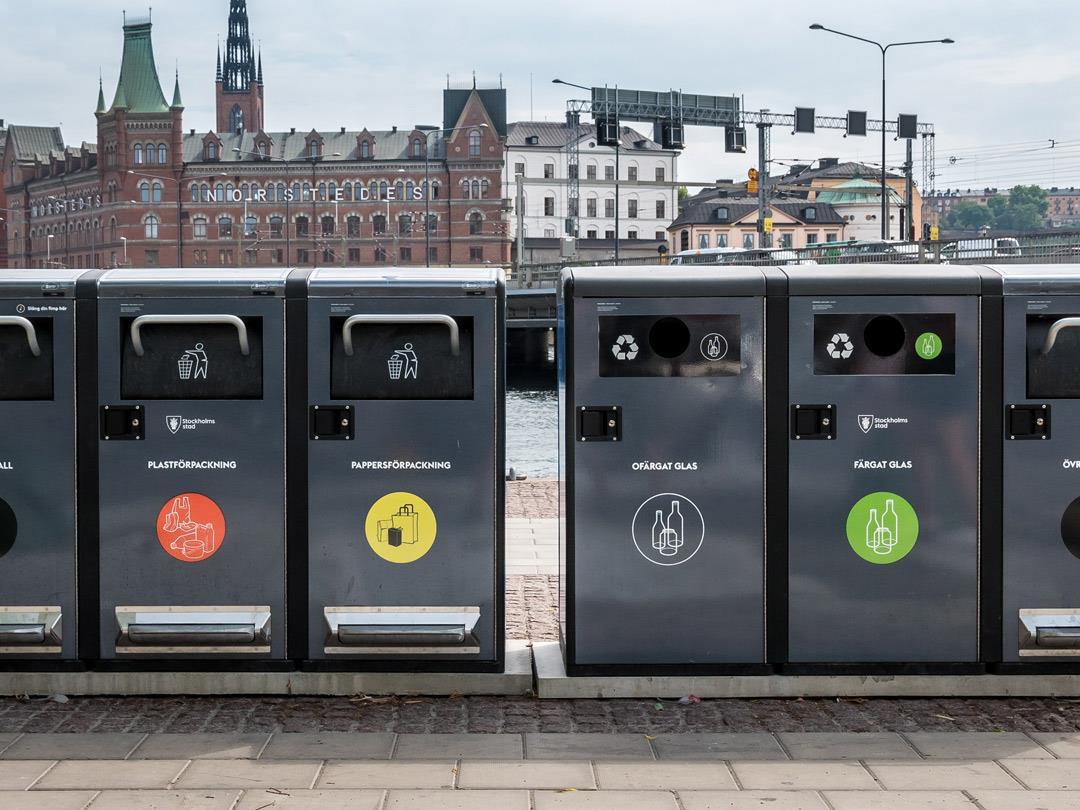
Fundamentally, Ernst Krottendorfer stresses that there is a ‘clear divide’ between western and eastern Europe in terms of the level of recycling infrastructure and waste management.
“Western European countries generally have more advanced and well-established recycling systems, with extensive infrastructure for waste collection, sorting and processing. These countries often prioritize recycling and have higher recycling rates than their eastern European counterparts.
“On the other hand, eastern European countries face challenges in developing a robust recycling infrastructure. As a result, recycling rates in eastern Europe tend to be lower and there is a greater reliance on landfill or incineration as a waste management option.
High-income countries score highly, with eight of the ten best-performing nations located in northern Europe. The Netherlands, for example, has eliminated mismanaged waste by improving its recycling rate to over 77% and adopting waste-to-energy programs. Landfills are used only as a last resort. The four highest-performing Nordic countries – Sweden, Denmark, Norway, and Finland – have implemented similar practices.
Reuse and refill
The revisions to the PPWR have included targets for reuse, including for cold and hot beverages for take-away, take-away ready prepared food, alcoholic and non-alcoholic beverages and various forms of transport and grouped packaging. Some, however, have argued they still do not extend far enough – for example, in categories such as dry and non-perishable food, home and personal care products.
To further confuse matter, it should also be noted that there are varying opinions as to whether it is more environmentally beneficial to focus on reuse measures or improving recycling infrastructure “It is unclear whether the reuse/refill is really causing smaller total environmental impacts compared to recycled single-use packaging,” says Antro Saila. “If all packaging in EU will be recyclable by 2030, do we really have a problem with packaging waste?”
Biobased and biodegradable plastics
According to European Bioplastics, while progress has been made there is still a lack of sufficiently strong support for bioplastics development at the EU level compared to that for improving recycled content targets. Greater emphasis on this, says the organization, would help to secure feedstock availability, to achieve recycled content targets, and to meet the strict requirements for contact-sensitive materials.
“Biobased and biodegradable packaging option currently have a low positioning in Europe,” says Ernst Krottendorfer. “The PPWR establishes that only a limited number of packaging should be compostable (e.g. very light plastic carrier bags, adhesive labels attached to fruit and vegetables as well as tea and coffee bags and pods disposed of with the used coffee or tea product).”
And while it is recognized that there is great potential in bioplastics to drive the sustainability agenda, they must be used in the correct circumstances, says Antro Saila.
“I think it is necessary to ‘isolate’ biodegradable plastics packaging to limited end-use areas so that they won’t disturb the recycling processes. Biobased packaging should be preferred but only if the total environmental impacts are smaller than the fossil-based alternatives.”
Challenging-to-recycle plastics
According to the above-mentioned Single-Use Plastic Directive, single-use plastic plates, cutlery, straws, balloon sticks and cotton buds cannot be placed on the markets of the EU Member States. Furthermore, under the current PPWR revisions, it is expected that any plastic bags weighing below 15 microns that are not required for hygiene purposes or as primary packaging to prevent food waste will be banned.
Extended producer responsibility
The proposed revision to the PPWR includes provisions to support packaging recyclability at a larger scale, and this is expected to encompass the earmarking of EPR fees. The European Council has also introduced stronger obligations for logistical service providers to make sure that producers using these services do not avoid their extended producer responsibility (EPR) obligations.
Takeaways and next steps
In the years to come, the focus in Europe will need to be on greater standardization in the approach to plastic waste.
“Europe’s packaging sector has seen the benefits of regulatory measures for a circular economy, but harmonization of these measures across Member States has been a slow process,” says Ernst Krottendorfer. “Valuable lessons can be learned from the US approach, which emphasizes innovative technologies for recyclates and a streamlined approval process, allowing for greater efficiency and effectiveness in promoting sustainable packaging practices. While there have been huge successes in recycling paper, metal packaging and PET bottles, there are missed opportunities in recycling polyolefins. Unlike the United States, where polyolefin recyclates can be used for food-grade applications.”
Antro Saila believes that “The EU should increase research funding to build a solid base for new regulatory initiatives on scientific data instead of ideologies or wishful thinking.
“Politically, it will be challenging to integrate what has been done so far in terms of regulations to this global agreement.”
At the time of writing, a major development is taking place – the European Parliament and Council have recently reached a provisional political agreement on the Packaging and Packaging Waste Regulation proposal.
Key provisions include the increased use of deposit return schemes, exemptions for compostable plastic packaging from recycled content targets, and the introduction of reusable packaging options for takeaway food and drinks at no extra charge.
The deal, still pending formal adoption, maintains minimum recycled content quotas in plastic packaging by 2030 and 2040, but exempts compostable packaging and packaging with minor plastic components.
It also introduces measures against food-contact packaging with PFAS and sets a maximum empty space ratio for certain packaging types. The agreement establishes binding reuse targets for 2030, allows exemptions for exceeding recycling and waste prevention targets, and mandates separate collection of 90% of single-use plastic bottles and metal beverage containers by 2029. Restrictions on single-use plastic packaging for various products are also included. Formal adoption will follow review and publication in the EU’s Official Journal.
North America
Overview
In 2020, Forbes noted that US citizens produce more plastic waste, per person, than any other nation on earth. Several states are taking concrete steps to address this, but a key point to make, when looking at the problem of plastic waste from the North American perspective is the sheer complexity involved when laws and obligations differ from state to state. We spoke to Barbara Fowler, Director of Marketing and Communications at GreenBlue, about the implications of this.
“In the US in particular the polarization in our political system makes even commonsense decisions much more difficult. GreenBlue has found working with our membership across the circular landscape has been more expedient. We are encouraged to see that the Global Plastic Treaty has brought the business community into the process as regulation without collaboration will not bring the results our world needs at the speed necessary.”
In Canada, a think tank’s recently released analysis puts forward a series of changes that could incentivize investment in the country’s recycling industry.
The main finding of the report, which came from the not-for-profit economic think tank Conference Board of Canada, is that the country’s linear plastics economy is unsustainable, as “fragmentation, volatility, and an uneven playing field have led to sporadic investments and capacity deficits.”
To improve those numbers, the report suggested setting recycled-plastic-content mandates and recycling targets for specific polymers; incentivizing waste management firms to invest in the plastic recycling industry; giving local recyclers preferential pricing; and setting minimum performance standards for contamination at materials recovery facilities (MRFs).
General legislation and regulation
“In the last few years there has been significant development in North America on sustainable packaging policy,” says Barbara Fowler. “In the US the Federal Trade Commission (FTC) is holding public review of the Green Guides for the first time in over ten years. These guides govern the use of terms like RECYCLABLE in marketing and on packaging.”
In April 2023, the US Environmental Protection Agency (EPA) released the draft “National Strategy to Prevent Plastic Pollution” for public comment, a significant step forward in the Biden-Harris Administration’s efforts to reduce pollution and build a circular economy for all. The strategy includes actions to eliminate the release of plastic and other waste from land-based sources into the environment by 2040. But this is not formal legislation, as yet, so it remains to be seen how widely it will be implemented.
In the same month, the Government of Canada published proposed measures to further its plastic waste agenda. The three main components of this are:
- Labelling for recyclability and compostability for all consumer-facing plastics;
- Mandatory minimum thresholds of recycled plastic in various plastic packaging categories;
- The development of a national plastics registry.
Alongside the governmental actions there are, of course, other voluntary initiatives, most notably the US Plastics Pact, as part of the Ellen MacArthur Foundation’s Plastics Pact Network.
Collection, waste management and recycling
As part of the US Plastic Pact’s plan for 100% of its plastic packaging to be reusable, recycling or compostable by 2025, there will be an increased emphasis on more widespread composting, collection and recycling facilities. Specifically, the ambition is for packaging on the US market to have a recycling rate (on average) of 50% or a composting rate of 50%.
In support of the National Recycling Strategy and the Bipartisan Infrastructure Law, the EPA has also developed an interactive map of recycling markets that highlights existing infrastructure, per capita generation and recycling of post-consumer material, and other relevant market factors.
Reuse and refill
In general, it can be said that the reuse and refill market as a whole across North America is still fragmented and embryonic. The EPA Draft Strategy includes an ambition to improve the design of plastic products to provide more reuse and refill opportunities, but there is a long way to go. The Plastics Pact has an ambition to ensure “Retailers and brands integrate efficient and effective B2C reuse programs, including as part of e-commerce operations, with an eye toward greater growth and scale.”
There has been more tangible movement in the reuse/refill sector from individual brands, just one example of which is the The Coca-Cola Company, which has been conducting several pilots for reusable packaging in North America, including a new partnership with start-up r.Cup to bring reusable polypropylene cups to a range of venues and cities in the US.
Biobased and biodegradable plastics
In the US, government efforts to reduce landfill, such as the 2030 Food Loss and Waste Reduction Goal, mean that demand for bio-based or compostable bags for the collection of food waste and other organic waste materials is likely to increase in the coming years. According to estimates from European Bioplastics, the production capacity of bioplastics in North America is expected to increase to around 1.194 million tons by 2027.
We are seeing greater emphasis on government support for innovation in bioplastics. There are several notable bioplastics manufacturers in the region, including Eastman Chemical Corporation. The US development agency (USDA) provides a range of support through its programs for research, development & consumer awareness of bioplastics.
Challenging-to-recycle plastics
There are many examples of state-specific legislations on more challenging plastics such as single-use bags and EPS. It is of course not possible to list all of these here, but to give some examples:
- Single-use plastics bag bans: California became the first state to enact legislation imposing a statewide ban on single-use plastic bags at large retail stores – although there are some exemptions for certain product categories. New York became the third state to ban plastic bags in 2019 through the senate bill 1508. In the State of Oregon, retail establishments and restaurants have been prohibited from providing single-use plastic take-away bags since 2020.
- EPS bans: Since January 2022, disposable polystyrene foam food service packaging materials have been banned in New York. Elsewhere, in 2021 Maine banned the use of disposable polystyrene foam food service ware, including containers, bowls, plates, trays, cartons, cups, lids, sleeves, stirrers, or other items used to contain, transport, serve or consume prepared foods.
Extended producer responsibility
At the State level several states have now passed Extended Producer Responsibility (EPR) and truth and labelling legislation. California, Oregon, Maine and Colorado are all defining the next steps to ratify the polices and choose partnerships to help manage these new programs. Several other states are considering new policy and are using what other states have created as templates for their policy.
In this regard, according to Barbara Fowler, “Canada is further ahead than the US and has steadily moved forward on policy that regulates packaging materials, covers truth in labelling and creates extended producer responsibility.”
Takeaways and next steps
In many ways, tackling the plastic waste problem in North America and addressing the lack of regulatory coherence across the region are two sides of the same coin.
“GreenBlue believes that the fragmented regional approach we are currently seeing is a necessary evil towards harmonization,” says Barbara Fowler. “Ultimately harmonization will be the best for everyone as it not only helps our world but makes it easier for brands, converters, recyclers and municipalities to have best practices that are scalable and can be funded.
“As simple as it sounds, I think the biggest achievement is that stakeholders are starting to design with circularity in mind. I am seeing packaging designers and brand marketers pick up this circular thinking and bring in other stakeholders they normally would not talk to. The biggest opportunity is for precompetitive collaborations that allow bigger swings for circular packaging that enables all stakeholders the ability to scale solutions and prepare for them.”
South America
Overview
The issue of marine litter in the Latin America and Caribbean (LAC) Region is a particularly pressing one. In 2020, 3.7 metric tonnes of plastic pollution entered the ocean from countries in this region. According to a UNEP report, plastic represents about 10-12% of municipal solid waste and recycling and waste recovery rates are typically less than 10%. In Brazil, for example, says Luciana Pellegrino, General Manager of ABRE (Brazilian Packaging Association) and new president of the WPO, of the 74 million tonnes of waste generated every year only 4% is recycled.
That being said, governments across the region are aware of the need to act. The majority of countries have passed national or local laws to reduce, prohibit or eliminate single-use plastics and there are also a number of voluntary commitments, as we shall see.
Luciana Pellegrino lists the biggest challenges the region faces, as follows:
- Lack of infrastructure and systemic approach;
- Hight taxes do not contribute to fostering the recycling system;
- Lack of a national campaign from a Federal Government perspective to raise awareness as a national commitment;
- Lack of broad waste management programs.
General legislation and regulation
Examples of the above-mentioned country-specific legislation include:
In 2019 Argentina passed a resolution that established national guidelines to address the issue of plastics and their impact on bodies of water and the environment with a life cycle approach that covers the aspects of production, use, waste management, and pollution reduction. In 2020, it also adopted a law to prohibit cosmetic and personal hygiene products containing plastic microbeads.
Brazil announced a National Plan to Combat Waste in the Sea in 2019, although this has yet to be fully implemented in practice. And while there is not a country-wide ban in place, key state governments including the State of Rio de Janeiro and the City of São Paulo have adopted local bans on bags, straws, and other single-use plastic products.
Mexico is working on a National Action Plan on Marine Litter and Plastic Pollution, as a foundation for which it is developing a National Inventory of Sources of Plastic Pollution.
In addition, notable voluntary initiatives include Uruguay’s 2022 ‘Challenge: Free of single-use plastics’, in 2022, which focuses on the reduction of plastic waste generation in areas such as retail, tourism and trade. In terms of concrete regulations, the country passed a law by which, from January 2025, manufacturers, bottlers and importers of non-alcoholic beverages who sell their products in plastic containers may only do so in containers that contain at least 40% recycled material.
Collection, waste management and recycling
While, again, there are some region-specific laws relating to waste management – such as Brazil’s programme to support waste pickers or Guatemala’s innovative use of bio-fences to collect plastic waste from rivers for communities to recycle – there is a lack of coherence on this matter.
“On sustainability issues most of the countries in the region have a waste management law in place,” Luciana tells us. “It states the coordinated action among municipalities, consumers, and industries. And as you can imagine municipalities and consumers do not play their part, and all the blame and pressure goes to the industry. Without a systemic approach to waste management, selective collection, reverse logistics and recycling, the results are limited.”
Reuse and refill
Development in this area is still slow – mostly led by major brand owners. Coca-Cola, for example, launched its Universal Bottle Scheme (through which consumers pay an indirect deposit on Coca-Cola brand bottles and receive a discount on their next purchase when they return the bottle) in Brazil, and has since rolled this out to Argentina, Chile, Colombia, Mexico, Guatemala, and Panama.
“Refill is growing gradually in personal care, household, and beverages,” says Luciana, “but overall, it is not significant. Consumers are starting to get used to refill solutions however they would expect an economic advantage.”
Biobased and biodegradable plastics
Brazil’s major bioplastics producer, Braskem, has recently concluded a 30% increase in the production capacity of its bio-based ethylene plant and continues to expand its portfolio. However, demand is still not high and wider schemes to promote biobased and biodegradable plastics in the region are few and far between. An exception is Panama, which has regulated the reduction and progressive replacement of single-use plastics with sustainable alternatives made of reusable, recyclable, biodegradable or compostable materials.
“Biobased plastics are not new in Brazil as we have green PE, but it’s still small market due to high costs,” explains Luciana. “When it comes to biodegradables, this is not a real possibility yet as there are almost no composting programs in South America.”
Challenging-to-recycle plastics
In 2018, Chile became the first country in South America to ban the use of plastic bags. Its Single-Use Plastics Law was implemented in 2021, which prohibits food outlets from supplying customers with straws, stirrers or chopsticks.
In Mexico, 31 of its 32 states have enforced bans or restrictions on a range of single-use products, such as disposable plastics bags, straws and EPS products. Panama implemented a plastic bag ban in 2019.
Extended producer responsibility
As in many areas of the global south, the informal waste collection sector is important and EPR laws can do much to support waste pickers. Transparent EPR schemes would be particularly beneficial for this sector, to ensure the correct infrastructure, and training are in place. Chile is an example of a country with a strong EPR model to support these workers as it formally includes waste pickers.
In Venezuela, producers of packaging made from plastics must submit individual or collective EPR plans and pay fees to the Ministry of Ecosocialism based on the quantity and types of materials placed on the market.
Takeaways and next steps
According to Luciana Pellegrino, South America has strengths which other geographical regions / governments can potentially learn from, most notably: “Very creative solutions when it comes to recycling technologies: the big brands in particular are leading the way to circularity: Coca-Cola, Unilever, Nestlé, P&G, Heineken and Ambev are all supporting the push for new technologies. As a whole, the region also takes into consideration the social aspects of the plastic waste problem.”
But she also highlights the biggest missed opportunities across the region when it comes to plastic waste, on which it will need to focus moving forward:
- Developing a national agenda / program, fostering collaborative and holistic efforts;
- Reducing taxes for recycled materials to foster this industry economically;
- A lack of broad reverse logistics programs and consumer engagement.
Conclusion – next steps for the Global Treaty
The bigger picture
It is inevitable that waste management methods will have to vary geographically as the most efficient recycling or disposal method will depend largely on the geographic considerations and these can differ vastly. Some regions may have space to implement carbon capture and storage (CCS), while others with less available space would be best served by waste-to-energy incineration. Some have well-developed recycling infrastructure, while for others it is very much at the embryonic stage.
Barbara Fowler believes this should be borne in mind during future rounds of negotiations towards a Global Treaty – and furthermore, because economic and social issues are a key part of the equation it is essential to get perspectives from emerging markets which have not perhaps, so far, had their voices sufficiently heard.
“Seeing environmental, social or economic issues as ‘trade-offs’ is an illusion; they are all interrelated. The challenge is not to take the easy route and just pick one. GreenBlue believes the true innovation we need to solve this global crisis will be found by having more perspectives at the table, not less. Inviting diversity of thought from underrepresented communities.”
It’s important that, ultimately, the burden for addressing plastic waste be shared equitably between all participating nations. International cooperation should involve supporting developing countries to improve recycling and waste management infrastructures so that all are in a place to realistically meet the terms of the treaty.
As Antro Saila stresses: “Reducing environmental impacts of plastics will be very expensive and will most probably increase the cost of living for most people. If the most vulnerable people (e.g., poor people and citizens of developing countries) must pay the price in full, their lives may become very difficult and cause social problems. If companies’ investments become obsolete due to new regulations this may amplify the problems.”
Looking ahead
Collaboration and continued work by business leaders and stakeholders between INC sessions will be key to maintaining momentum – those who have influence in their fields do not need to wait for international legislation to be finalized but can instead push forward in tandem with the negotiations.
Finally, it’s worth reiterating a takeaway from our previous reports on the subject of plastic waste: for any business along the packaging value chain wondering how they can be part of this vital conversation, please do join the Business Coalition for a Global Plastics Treaty.
Update: Take a look at our member report on the key developments from INC-4 - the latest round of negotiations on the global plastic treaty.
If you liked this story, you might also enjoy:
The Brief: How viable is biorecycling for plastics?
Report: How the top brands are progressing on packaging sustainability
The Brief: Using ocean-bound plastic in packaging – how, why and should we?
Sponsored stories

How ATS-Tanner’s banding solutions align with the new PPWR
ATS-Tanner’s banding solutions aim to reduce packaging waste, provide a practical alternative to plastic and improve recyclability. In

How Rollon’s linear systems provide reliability for tertiary packaging
Rollon believes tertiary packaging machinery must perform without fail, showcased by its recent partnership with AMP Automation to develop palletizing

Discover what’s new at London Packaging Week
Packaging has never carried greater commercial responsibility. It influences how consumers perceive brands, how products perform in increasingly competitive markets

Paperworld Middle East partners with FSC to champion responsible sourcing across the region’s paper and stationery industry
Paperworld Middle East, the region’s leading trade show for paper and stationery products, taking place from 13–15 October

Made for Life: How Sappi reveals what trees make possible
What connects an experienced papermaker, the creators of cactus-based leather, the people conserving forests for future generations, and a

The advantages of all-electric adhesive dispensing in modern packaging
Packaging manufacturers are under constant pressure to increase output, reduce operating costs, improve sustainability, and maintain consistent product quality. One

YUTO won 12 international packaging design awards across three global competitions
Driven by the global sustainability trend, the EU PPWR mandates packaging reduction, recyclable design, and restrictions on single-use packaging.

How rPS Food aims to bring circularity to polystyrene packaging
In this edition of the Spotlight, Coexpan (part of Grupo Lantero) details how its rPS Food enables up to 100%
Read next

Your chance to decide the winner of our 2026 Readers’ Award
The nomination period for Packaging Europe’s 2026 Readers’ Award has ended, the finalists have been selected, and now it’

Nemera launches bi-dose nasal spray solution
Drug delivery device company Nemera has announced its DuoSpray bi-dose nasal spray platform, a ‘non-invasive, needle free’ administration

Coveris develops mono-material sleeve with 30% less material for Dr Beckmann
Coveris has unveiled its mono-material sleeve solution developed for Dr Beckmann, said to use around 30% less material than