

In a rush? Click here to read a short summary of this report
This report highlights the progress, challenges, and actionable next steps for the FMCG sector based on the Ellen MacArthur Foundation’s 2022 Global Commitment Progress Report. It looks at progress made by the top six FMCG brands: Nestlé, PepsiCo, Unilever, Coca-Cola (CCEP), Mars, Inc. and L’Oréal.
Key Progress Made
- Recycled Content Usage (PCR): Brands doubled their PCR use from 4.8% (2018) to 10% (2021), with ambitious targets (e.g., PepsiCo’s 100% rPET bottles across 22 markets).
- Transparency & Accountability: The Global Commitment (GC) fostered unprecedented industry-wide transparency.
- Virgin Plastic Reductions: Most signatories reduced virgin plastic usage, with leaders like Unilever and Nestlé reporting reductions of 10–21%.
Strategic Recommendations
- Scale EPR (Extended Producer Responsibility)
- Accelerate Reuse Adoption
- Phase Out Problematic Flexibles
- Collaborate & Harmonize
The Road Ahead
The Global Commitment has set the groundwork, but voluntary action must evolve into systemic, enforceable frameworks. The UN plastics treaty negotiations will be a litmus test for how seriously the global community is taking plastic pollution—and whether FMCGs can transition from individual sustainability strategies to industry-wide transformation.
The Ellen MacArthur Foundation’s most recent Global Commitment Progress report was a chance to evaluate how far the packaging industry has come in its voluntary efforts to achieve a circular economy for plastics. In this report, we put the focus specifically on the progress made by FMCGs – and discuss the next steps.
The 2022 EMF Global Commitment Progress Report, produced in cooperation with the UN Environmental Programme (UNEP), gave us an overview of the advances that have been made in tackling the plastics waste problem since the inception of the commitment back in 2015. Within the report, EMF highlighted five specific metrics for achieving a circular economy for plastics:
- Ensuring 100% of plastic is reusable, recyclable or compostable;
- Increasing the share of post-consumer recycled (PCR) content across all plastic packaging;
- Decreasing the use of virgin plastic;
- Moving from single-use to reusable packaging where relevant and possible;
- Eliminating problematic or unnecessary plastic packaging (such as flexibles).
Strong progress has been made on increasing the use of post-consumer recycled (PCR) content, with brand and retail signatories doubling their use of PCR from 4.8% in 2018 to 10.0% in 2021. In the area of reuse, we have seen major brands such as the Coca-Cola Company and PepsiCo announce their first specific reuse targets.
“The Global Commitment has achieved a lot,” says Nicholas Vijverman, Programme Manager, Plastics at the Ellen MacArthur Foundation. “First of all, it has aligned more than 1000 businesses, governments, NGOs, and other organizations behind a common vision of a circular economy for plastics and concrete 2025 targets.
“Secondly, it has created unprecedented transparency on the plastic packaging market. Before the launch of the Global Commitment, many organizations were unaware of how much plastic packaging they were actually putting on the market.”
However, while we should rightly be applauding the achievements made, the focus still needs to be on the areas where development has been slower – and what the industry can do to accelerate this. First, the report states that the target of 100% reusable, recyclable or compostable plastic will ‘almost certainly’ be missed by most organizations. It is also the case that while the majority of signatories have continued to decrease virgin plastic use, collective use has risen back to 2018 levels. And finally, in the area of reuse, while there has been progress ambition still ‘remains limited’.
Of course, the Global Commitment encompasses the entire value chain, but the purpose of our report here is to look at how far the six biggest FMCG signatories – Nestlé, PepsiCo, Unilever, The Coca Cola Company, Mars, Inc. and L’Oréal – have come in meeting its key goals. (Note: we reached out to all six but L’Oréal have not provided us with comments for this piece. It is also worth pointing out that not all major FMCGs have chosen to sign the Global Commitment – some have made their own voluntary targets; Procter & Gamble, for example, has pledged to reduce global use of virgin plastic in its packaging by 50% by 2030.)
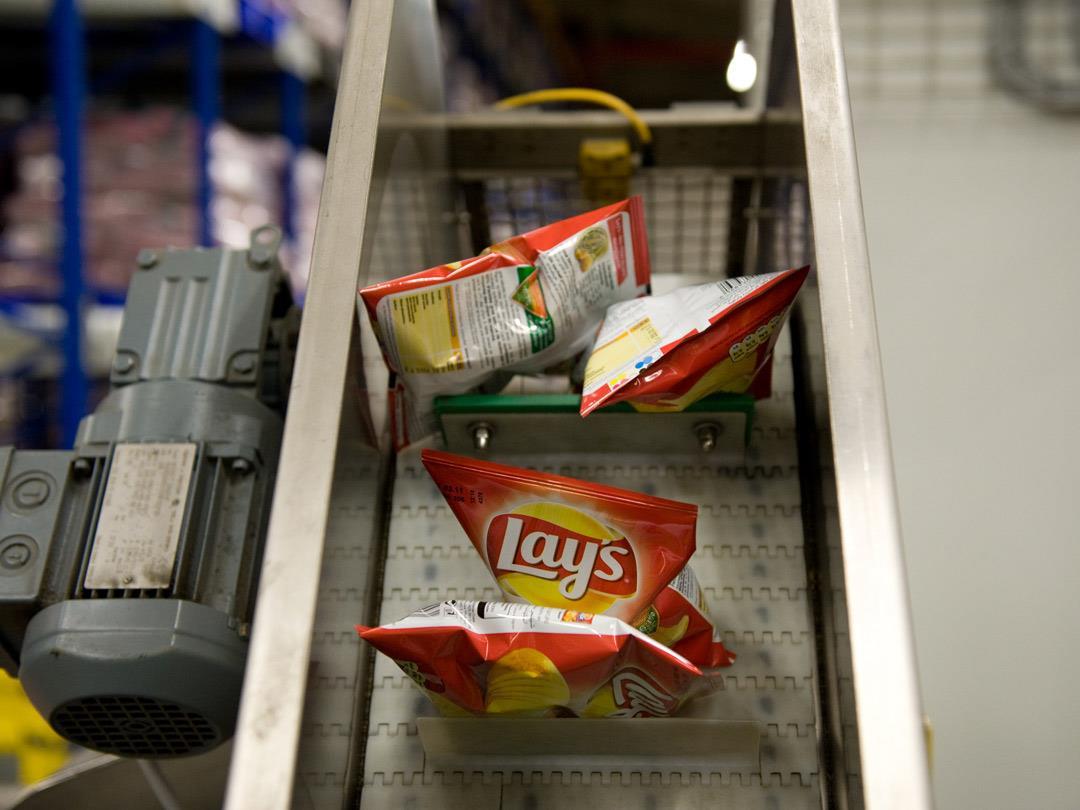
FMCGs are making progress…
As of 2021, brands and retailers have set targets to reduce plastic or virgin plastic use in packaging by 2025. And the big FMCG brands we interviewed have taken their own steps to achieve this with varying results. PepsiCo tells us that across 22 global markets, its products are now available in 100% rPET packaging. The company has also announced its goal to achieve 50% recycled plastic (rPET) by 2030 across Europe; in fact, its 100% rPET Pepsi bottles (excluding cap and label) are already on shelves across 12 European countries.
A spokesperson from Coca-Cola European Partners (CCEP) tells us: “CCEP’s 2030 ambition is to remove the need for virgin fossil-based PET by replacing it with either recycled PET or PET from renewable sources. For the industry to reach full circularity we will need both mechanical and enhanced recycling to scale, which is CCEP is supporting innovation in both – including in investing in innovative mechanical recycling start-ups to help drive a circular economy for plastic, like CuRe.”
Nestlé says it is on track to reduce its use of virgin plastics in packaging by one-third by 2025 and is working on alternative packaging materials to facilitate recycling. It says it has already achieved a reduction of 10.5% as of year-end 2022.
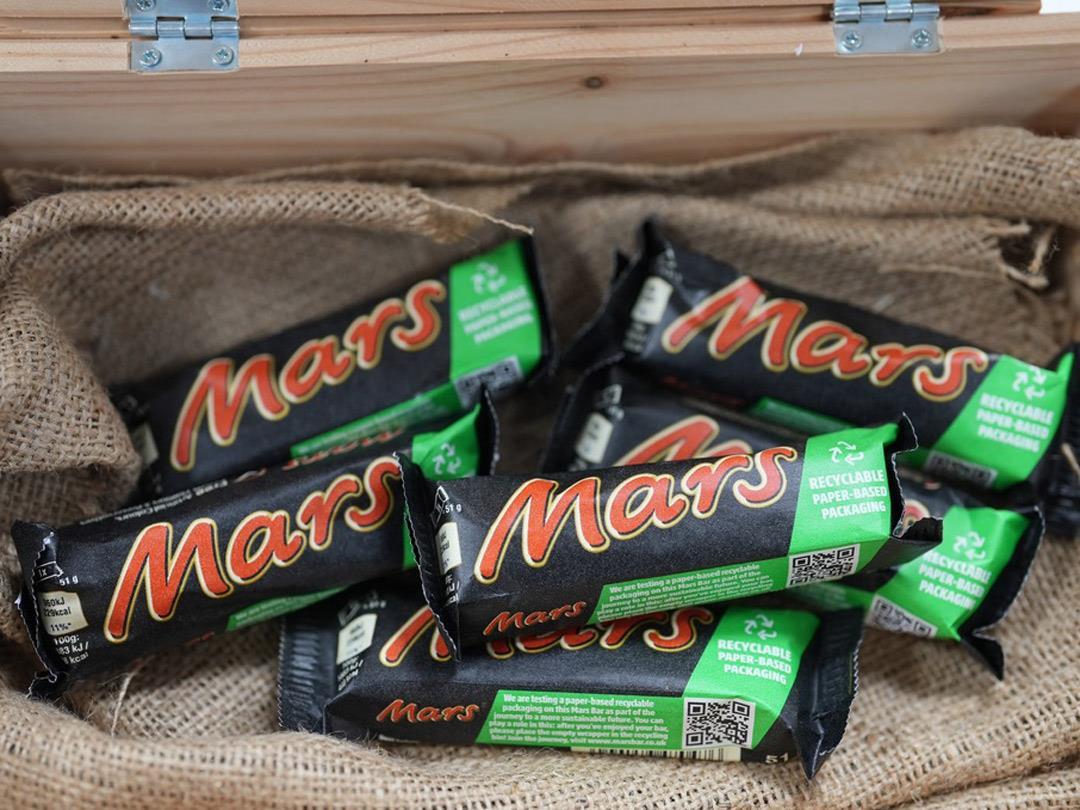
A spokesperson for Mars, Inc. tells us that, as of 2022, 45% of its packaging is designed to be recycled where infrastructure exists, and its top 300 executives now have remuneration linked to delivering against its packaging targets.
“Furthermore, in 2022 Mars Snacking China eliminated 450 tons of virgin plastic through its Extra Light Weighting Project, plus a further 580 tonnes of plastic by decreasing materials in the DOVE® canister and DOVE® 43g bars.”
Unilever, meanwhile, has committed to have a virgin plastic packaging footprint of no more than 350,000 tonnes by 2025, a reduction of 50% compared to 2018.
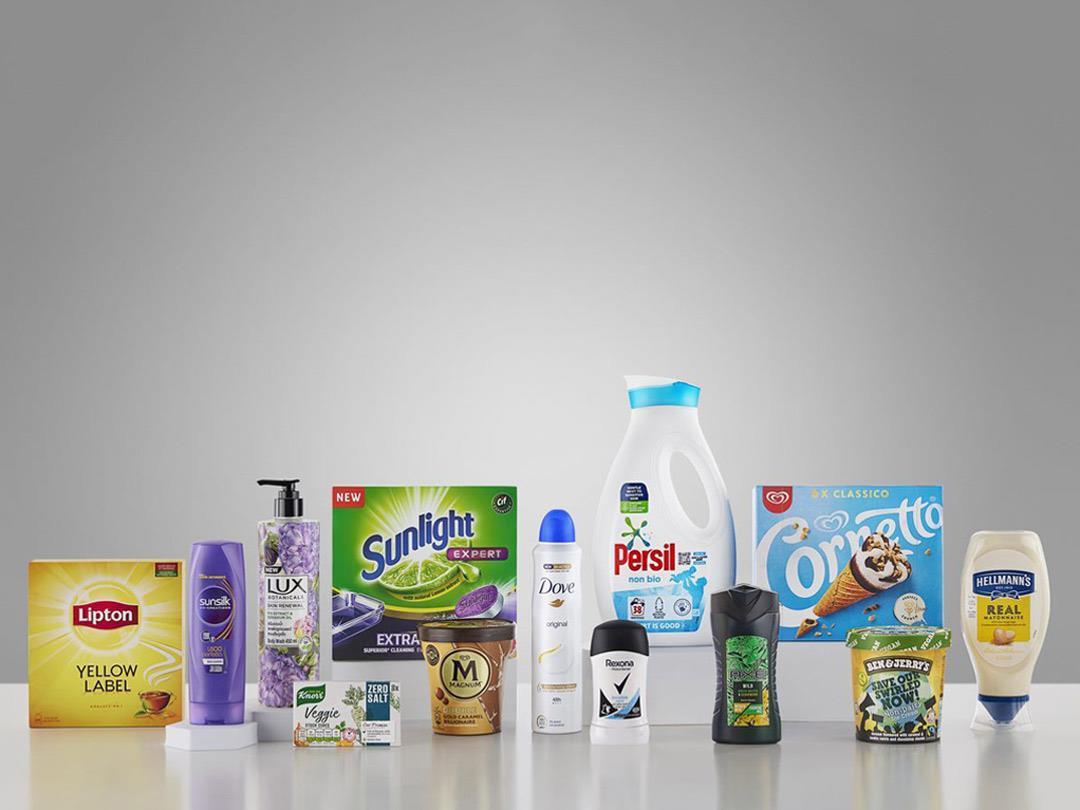
“We’ve now increased our use of recycled plastic to 21% of our total packaging footprint – an increase of 3% on last year, putting us on track to meet our commitment of at least 25% by 2025,” says a company spokesperson. “Our laundry brand OMO (also known as Persil and Skip) uses 25% recycled plastic in its bottles, and up to 100% where possible. Across Europe and North America, Hellmann’s is also using 100% recycled mayonnaise bottles, while Dove uses 100% recycled plastic in its bottles where technically feasible.”
Finally, L’Oréal has committed to using 50% fossil free plastic in 2025, 100% in 2030. According to its Commitment Report, PCR represented 6.9% of its total plastic tonnage in 2019 & 15.1% in 2020 (split in 54.8% rPET, 7.2% rPE & 4.1% rPP). It also, says the company, represents 7.1% of L’Oréal plastic packaging in 2019 & 15.8% in 2020. Looking further ahead to use 50% fossil free plastic in 2025, 100% in 2030.
…so why the rise in virgin plastics?
Yet, despite the above progress reports, overall brand and retail signatories’ aggregated use of virgin plastic has still risen. Why is this?
“We have seen that the majority of signatories (59%) are reducing virgin plastic use, showing that it is possible and can be done,” says Nicholas Vijverman. “However, the remaining signatories have continued to increase their use. This is partly due to business recovery after the Covid-19 pandemic, which has resulted in increased levels of plastic use for some companies.”
There was some consensus that the continued challenge around securing a steady supply of good-quality, affordable recyclate is also a significant stumbling-block.
“Put simply,” says Katharina Stenholm, CSO PepsiCo Europe, “there just isn’t enough supply of renewable or recycled plastic currently, especially for flexible packaging. Collecting and recycling rigid plastic bottles has long been a focus of the waste management and recycling industries, which is why there has been better progress in the use of virgin plastics in bottles than in snack packaging.”
A spokesperson from Unilever adds: “The recycled plastic that we use has to meet the same technical and safety standards as the virgin plastic we use. This is especially true of recycled plastic used for our food products. New advanced recycling technologies can help drive up recycling rates and increase the availability of food grade recycled materials. These technologies can complement mechanical recycling and prevent hard-to-recycle materials from entering the environment.”
But why is there such a dearth of recyclate for FMCGs to utilize? Our spokesperson from CCEP offers one explanation. “PET is an extremely versatile material that can be recycled multiple times, meaning that demand for high-quality recycled PET is very high. Other industries are also looking to use this recycled PET (rPET) – for example, clothing made out of recycled plastic bottles – which effectively ends the lifespan of that recycled plastic, as it cannot be turned back into a new item of clothing, or indeed a plastic bottle. Around 55% of PET bottles are collected in Europe – only 1/3 are recycled bottle to bottle with 2/3 open loop recycled, otherwise known as being downcycled.
“This leads to a shortage of food-grade recycled plastic for the beverage industry, making it difficult for all beverage companies to transition to 100% rPET. We need a legal framework, as part of the PPWR, that guarantees beverage manufacturers far more access to their own recycled packaging material to ensure we can achieve bottle to bottle recycling and close the loop on plastics, moving the industry as a whole to 100% rPET.”
According to Nicholas Vijverman, the first three years of the Global Commitment saw an ‘unprecedented’ increase in the use of recycled content which was just enough to compensate for the overall growth in packaging used, resulting in ‘stagnant’ levels of virgin plastic use. If the industry is truly to drive virgin plastics use down, which will also help the industry move towards one of the Commitment’s other key goals of ‘decoupling business growth from the use of plastic’, scaling reuse models will also be key.
How do we scale up reuse and refill?
We’ve seen evidence of an increased impetus towards reuse models to replace single-use where possible. As mentioned, the Coca-Cola Company and PepsiCo have announced specific reuse targets and the other four FMCGs discussed here have launched their own pilots across the world.
However, it is still important to remember that these are outliers and more brands need to follow suit in the coming years. The Progress Report notes that overall signatories’ share of reusable plastic packaging decreased slightly compared to the previous year and is now at 1.2%. More than half have no reusable packaging at all. It says that, ‘despite an increasing number of reuse pilots, many are fragmented and not embedded in a business strategy that could lead to reuse at scale’.
This is perhaps the key: it is not always the will to change that is lacking; it can be the case that brands and retailers are willing to implement reuse but as yet there is no single, cohesive system that has been proven to be practicable and scalable. It’s a complex question that needs to be broken down into several facets, but the overriding opinion among our interviewees is that collective action and a shift in the regulatory landscape are going to be vital.
In its latest report for the Global Commitment, Nestlé said it had launched reuse pilots across 12 countries and, according to Jodie Roussell, the company’s Senior Public Affairs Manager, “What we observed is that any new system needs time to reach economies of scale to achieve competitiveness. They also have to undercut the emissions footprint of existing systems. They can’t exist alone: they need retail partners to offer the solution to consumers and the consumer has to be willing to come to store. So we need collaboration across the industry.”
Ultimately, everyone has to ‘jump at the same time’. “Brands may be concerned that if they switch to reuse models and others in the retail space don’t, consumers may turn away from their brand in favour of greater ‘convenience’. What would happen if instead all retailers go together and said they are going to install particular reusable packaging type?”
The disconnected nature of the current regulatory landscape has certainly also proved a barrier. To stimulate reuse, systemic change is needed to create shared infrastructure and encourage collaboration. This could include reuse targets or mandates for specific applications or mandatory deposit schemes.
“The nascent nature of reuse and refill means that regulatory guidelines can be vague, and we’ve come across challenges with this in several of our pilots,” says our Unilever spokesperson. “Public policy can create the right enabling environment for these models to succeed, for example by setting standards and metrics, and providing incentives for introducing refillable and reusable packaging.”
For example, in Europe, the European Union could incentivize innovation in the reuse space, by broadening their definition of reuse to include all the reuse/refill systems that allow reducing single use plastic use and eventually packaging waste, such as refill at home, powders and concentrates.
And based on its experience from conducting around 50 pilots across the world, another reason Unilever believes reuse regulations have proven so hard to implement is that there is no ‘one-size-fits-all’ model for every region. Therefore, a range of approaches will be needed depending on which global market is being served.
“Different consumers have different needs and wants (based on where they live, how they shop, and what they buy), therefore different geographies require varying approaches. Success depends on tailoring solutions accordingly, removing barriers to entry and of course keeping systems as simple as possible for consumers.”
Our spokesperson from Mars, Inc. says the company has developed a testing strategy which it believes can lead to more viable models in future, using three key enablers:
- Focusing on testing & learning – Small scale tests to validate feasibility & performance of reuse models, and to identify solutions that are cost effective and scalable.
- Crucial partnerships – Collaborating with technical solution providers (i.e., smart vending), retailers and peers to develop solutions that work across the full ecosystem.
- Winning with consumers – Shifting to reuse requires a behaviour change on the part of consumers, so monitoring and incorporating consumer feedback is key.The flexibles challenge
One of the more concerning conclusions from the 2022 EMF Progress Report is that the target of 100% reusable, recyclable or compostable plastic packaging will almost certainly be missed by most organizations – and alongside a lack of recycling infrastructure, flexible packaging is considered the main reason for this. Flexible packaging waste is challenging to deal with as it is often composed of multiple layers which can’t be separated. Smaller items such as sachets are particularly problematic as they are rarely collected and can fall through filter grates and collecting systems.
The EMF Global Commitment therefore puts the focus on innovation to replace flexible plastics where possible – removing the need for ‘unnecessary’ plastics such as, for example, sachets or plastics wraps for fruits and vegetables.
“We indeed believe that innovating away from flexibles should be the first and foremost part of each packaging strategy,” says Nicholas Vijverman. “As soon as single-use flexible waste is generated, regardless of material or geography, it is very hard to deal with. Flexible packaging is the fastest-growing packaging category, with very low recycling rates and a disproportionate share of environmental leakage.
“There are many applications for which it could be relatively straightforward to move away from flexibles, as there are alternatives already available. For example, many of the flexible-packaging sachets in the Philippines are used for home and personal care products. While in that same country and elsewhere these products are sold packaging free, in various types of reuse models or in rigid recyclable packaging. This illustrates that alternatives do exist.”
As with reuse, regulatory interventions could go some way to addressing this – such as, for example, phasing out certain flexible applications for which alternative models are already available, or implementing extended producer responsibility (EPR) schemes (of which more later) to ‘internalize’ the cost of processing the packaging after use, as well as reuse incentives or investing in research into alternatives. In short, there is no single approach to phasing out flexibles.
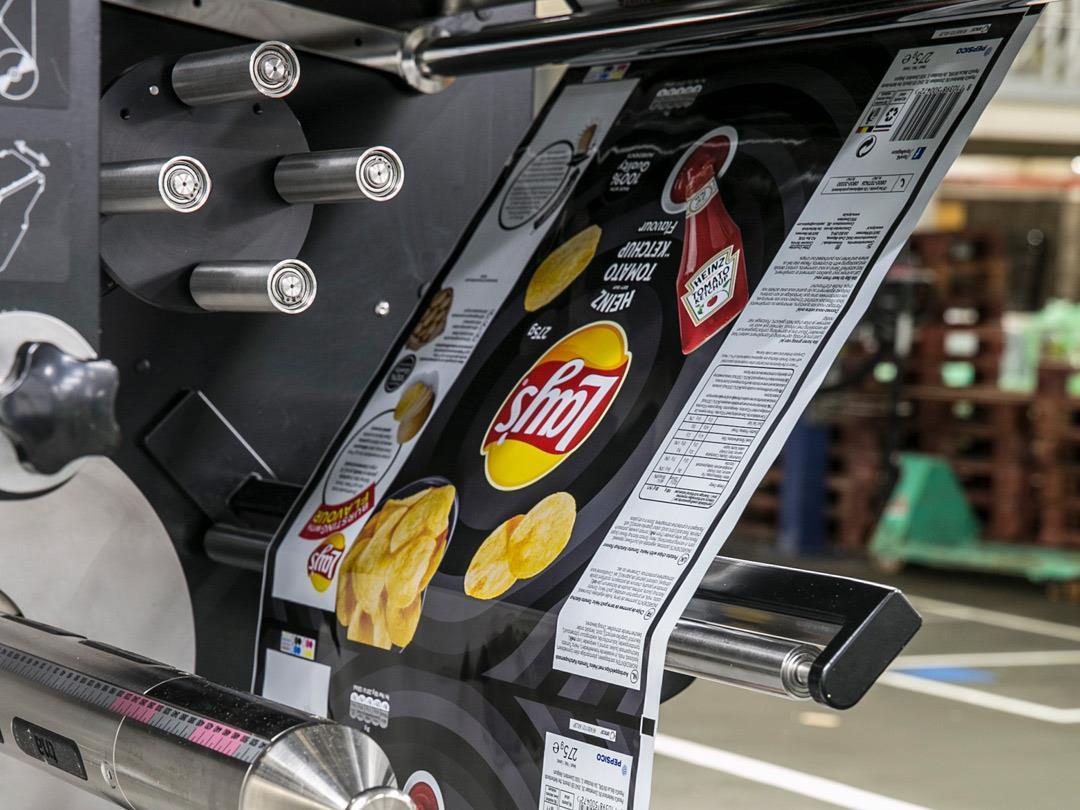
But there are other issues to take into consideration: when it comes to product protection – and therefore resource efficiency – there’s no doubt that flexibles perform extremely well which is why cross-value chain organizations such as CEFLEX are working towards building a circular economy for these materials. So should we really eliminate them completely or look to reduce where possible – accepting that, while recycling is only part of the solution, in some cases it may be the most environmentally friendly when you take in the entire product life-cycle. For FMCGs in particular, protecting products and therefore their brands is vital, so it’s important to hear their take on this.
“Flexible films are less dense, carry more print and tend to get more easily contaminated because of their larger surface area,” points out Katharina Stenholm from PepsiCo Europe – itself a CEFLEX member. “However, they are extremely resource efficient and a world where packaging never becomes waste demands that the industry embraces the challenge of recycling these materials too. We are also simultaneously working on our broader Making Bags Better program to help develop the right ecosystem for flexible packaging to be part of a circular economy and are taking other near-term actions including transitioning our packaging material by 2023 to include a greater proportion of mono polypropylene which will make it easier to recycle.”
Jodie Roussell adds: “Flexibles are a great way to deliver key nutrition to individuals in areas where they might not have access to it otherwise. We’re looking at making flexibles smaller and substituting refill dispensing to remove flexible sachets entirely. But it’s important to look at every possible facet rather than focusing on a single solution.”
In short, the issue is far from simple and it would be unhelpful to simply point all the blame at flexibles and remove them entirely from the equation. But we can certainly say that FMCGs should continue to focus on phasing out their use where possible or investing in research into monolayer solutions.
Scaling infrastructure through EPR
All the above metrics and more are central to a packaging strategy. But further to this, there is another issue: It can be unclear whose responsibility packaging waste is – governments? Packaging producers? Brand owners? Without this clarity, it is almost impossible to put the correct systems in place and voluntary commitments such as EMF’s alone, while useful, will not be enough. This is why extended producer responsibility (EPR) is such a big talking point today, as we touched briefly upon above. The increased implementation of EPR laws is likely to be pivotal when it comes to tackling global plastic waste and to date, it is still lacking in many areas.
“The 2022 GC Progress Report pointed out recycling infrastructure as another barrier in reaching the 100% recyclable, reusable or compostable (RRC) target,” says Nicholas Vijverman. “Based on our EPR statement, endorsed by 150+ organizations, ‘EPR is the only proven and likely pathway to provide the required funding for the scaling of recycling infrastructure. Without such policies, packaging collection and recycling is unlikely to be meaningfully scaled and tens of millions of tonnes of packaging will continue to end up in the environment every year’.”
As brand owners tend to be the most visible manifestation of plastic waste, many consumers may feel that a large part of the responsibility for dealing with the problem should lie with them. What, then, do our interviewees think about the need for more standardization in the area of EPR given that at least some of the burden may be expected to fall on them?
“We communicated last year how we will have 95% of our packaging designed for recycling,” says Jodie Roussell. “The next layer is that the packaging must be recycled and where that’s driven by EPR laws or taxes, governments must facilitate this. We have more than 30 draft laws for EPR, each of which is different, so for every country you have to adapt your packaging. Harmonized legislation to fairly distribute the cost of compliance and move towards circularity would make a huge difference.”
“The public sector plays a key role in deploying crucial waste system policies such as EPR and investing in much needed infrastructure; closer collaboration with this group could accelerate the pace of change,” says our representative from Mars, Inc. “Introduction of legislation can also level the playing field and ensure that all stakeholders are clear on which standards to follow and their role.”
The next steps: Beyond the Global Commitment
The Global Commitment has demonstrated the clear international will, across a wide range of stakeholders, to address plastic pollution. So far, we’ve looked at the various ways in which the biggest FMCGs are rising to these challenges. As we’ve seen, there’s been progress, but it’s now widely recognized that it’s time to move to move further and broaden out the conversation.
The ‘next step’ is to go beyond voluntary commitments to a global, legally binding mandate – a huge task but one that is indeed being addressed. In 2022, as we know, UN Member States agreed to start negotiating a global treaty to end plastic pollution. The most recent talks, INC-2, took place in Paris, including delegates from 180 countries and a wide range of stakeholders including multinationals, scientists, civil society groups and more. The talks concluded with a mandate for the Intergovernmental Negotiating Committee (INC) Chair, with the support of the Secretariat, to prepare a zero draft of the agreement ahead of the next session to take place in Nairobi in November. There is an ambitious timescale for this treaty, with final agreement hoped to be reached in late 2024.
“It’s important to give EMF credit,” says Jodie Roussell. “Back in 2014 there wasn’t much discussion on plastic waste. When the commitment was launched it was the first time the subject had been put before companies and government on a global stage. But we’re now at a point where we need to shift from voluntary action to a legal framework. The Treaty is a tremendous opportunity to get the framework right. But on top of this each country will need to look at its own legislation because whatever the terms of the treaty are will need to be enshrined in national law as it will only be binding on governments so it’s up to them to implement it.
“We can’t leave something as important as the health of the planet up to corporate volunteers.”
But while the Treaty is clearly the priority now, EMF is also keen to stress that FMCGs will continue to hold a lot of decision power when it comes to driving change – albeit, hopefully, within a more structured international framework. They suggest there are three specific, actionable areas for these companies to focus on in the years ahead:
- ELIMINATE: in order to be in line with climate targets (see Eunomia report), global demand for plastics needs to be reduced with a 3% reduction rate annually. Reuse presents an enormous, and untapped, opportunity to curb the growth in plastic use;
- INNOVATE: flexible plastic packaging is one of the key barriers in achieving the 100% reusable, recyclable, compostable target - innovation will play a major role in moving away from flexibles which we know that, once produced, are incredibly hard to deal with;
- CIRCULATE: although a solution of last resort, recycling is still going to be part of the solution pathways. Therefore, businesses should ensure that all packaging put on the market is technically recyclable, and should advocate for the implementation of EPR schemes.
And as a final, actionable, takeaway, there is one more thing FMCGs – and indeed any businesses within the packaging value chain – can do to be part of the conversation and make their voices heard: by joining the Business Coalition for a Global Plastics Treaty.
Sponsored stories

How ATS-Tanner’s banding solutions align with the new PPWR
ATS-Tanner’s banding solutions aim to reduce packaging waste, provide a practical alternative to plastic and improve recyclability. In

How Rollon’s linear systems provide reliability for tertiary packaging
Rollon believes tertiary packaging machinery must perform without fail, showcased by its recent partnership with AMP Automation to develop palletizing

Discover what’s new at London Packaging Week
Packaging has never carried greater commercial responsibility. It influences how consumers perceive brands, how products perform in increasingly competitive markets

Paperworld Middle East partners with FSC to champion responsible sourcing across the region’s paper and stationery industry
Paperworld Middle East, the region’s leading trade show for paper and stationery products, taking place from 13–15 October

Made for Life: How Sappi reveals what trees make possible
What connects an experienced papermaker, the creators of cactus-based leather, the people conserving forests for future generations, and a

The advantages of all-electric adhesive dispensing in modern packaging
Packaging manufacturers are under constant pressure to increase output, reduce operating costs, improve sustainability, and maintain consistent product quality. One

YUTO won 12 international packaging design awards across three global competitions
Driven by the global sustainability trend, the EU PPWR mandates packaging reduction, recyclable design, and restrictions on single-use packaging.

How rPS Food aims to bring circularity to polystyrene packaging
In this edition of the Spotlight, Coexpan (part of Grupo Lantero) details how its rPS Food enables up to 100%
Read next

Your chance to decide the winner of our 2026 Readers’ Award
The nomination period for Packaging Europe’s 2026 Readers’ Award has ended, the finalists have been selected, and now it’

Nemera launches bi-dose nasal spray solution
Drug delivery device company Nemera has announced its DuoSpray bi-dose nasal spray platform, a ‘non-invasive, needle free’ administration

Coveris develops mono-material sleeve with 30% less material for Dr Beckmann
Coveris has unveiled its mono-material sleeve solution developed for Dr Beckmann, said to use around 30% less material than