
Siegwerk launches ink that also acts as oxygen barrier
Siegwerk has launched a new white printing ink that also provides an oxygen barrier – an innovation that aims to combine two layers into one.
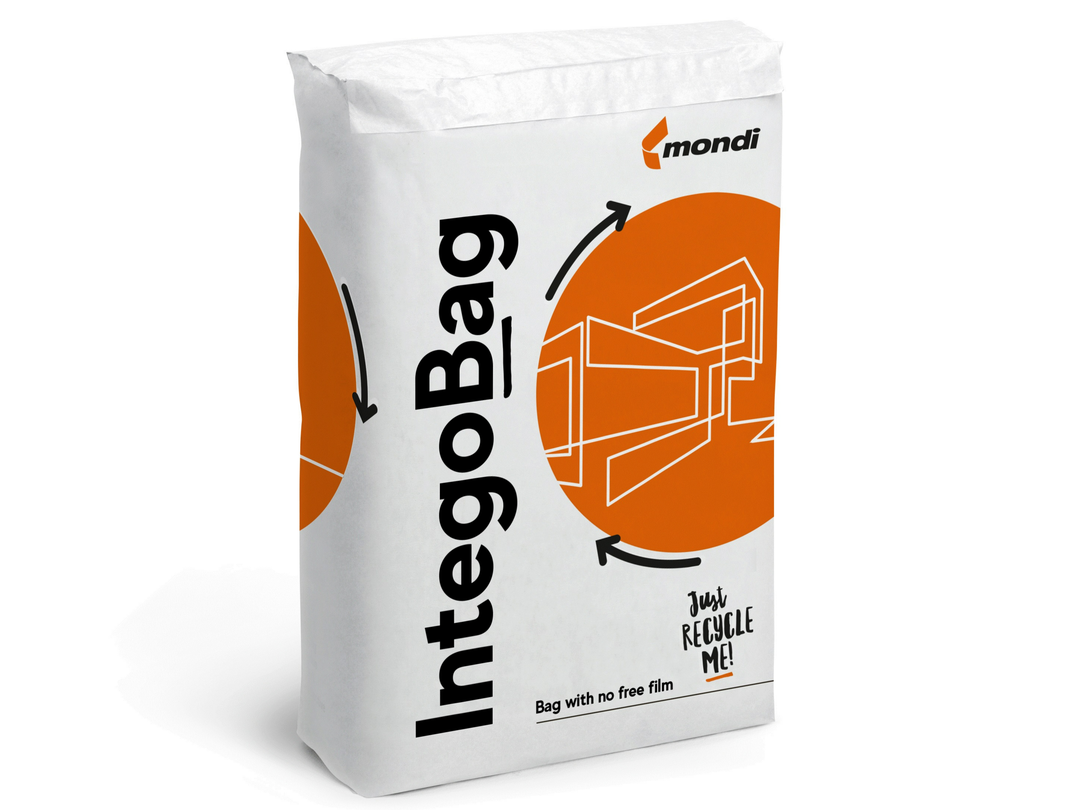
Mondi has launched its IntegoBag, an alternative to free film paper bags used in the construction industry, said to reduce plastic by up to 50% and ensure the shelf life of building materials through protective barrier coatings.
Ahead of the fifth session of the Intergovernmental Negotiating Committee (INC-5) next month, the Business Coalition for a Global Plastics Treaty has published an open letter calling on governments to address plastic pollution at a global level.
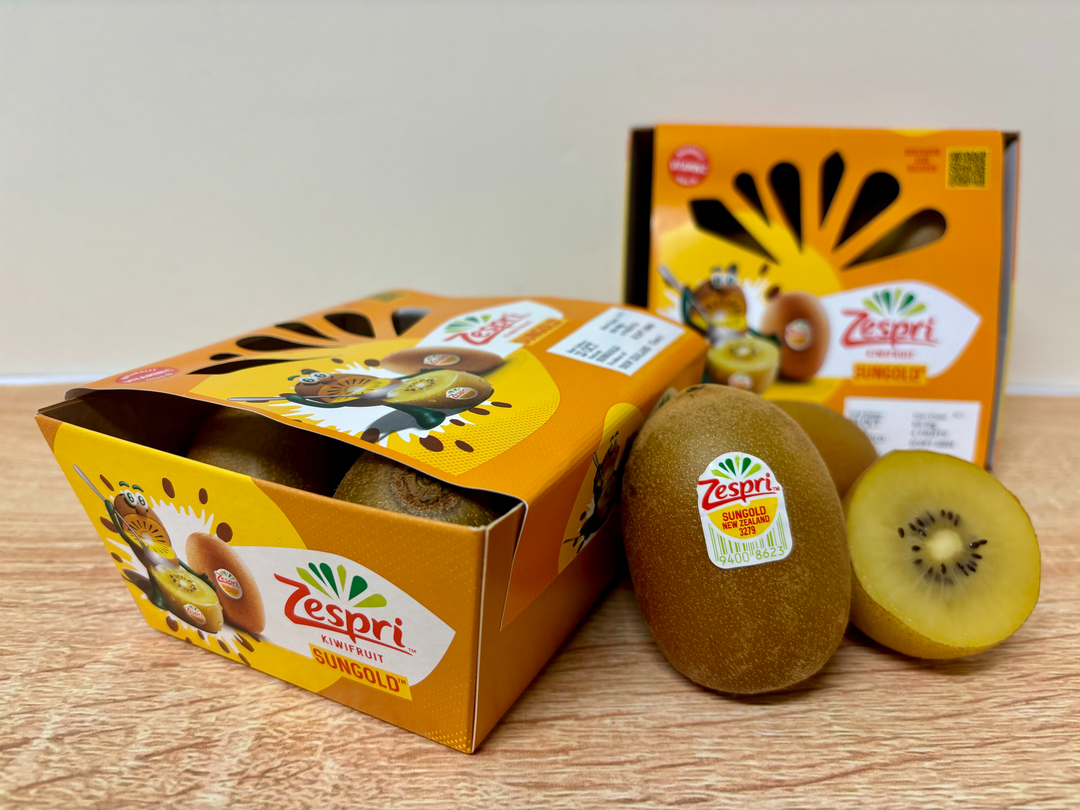
In a cross-industry collaboration, Tesco and Zespri have debuted a kerbside recyclable tray and linerless lid solution for kiwi packaging – aiming to cut down on carbon footprint and transition away from the traditional plastic flow wrap.
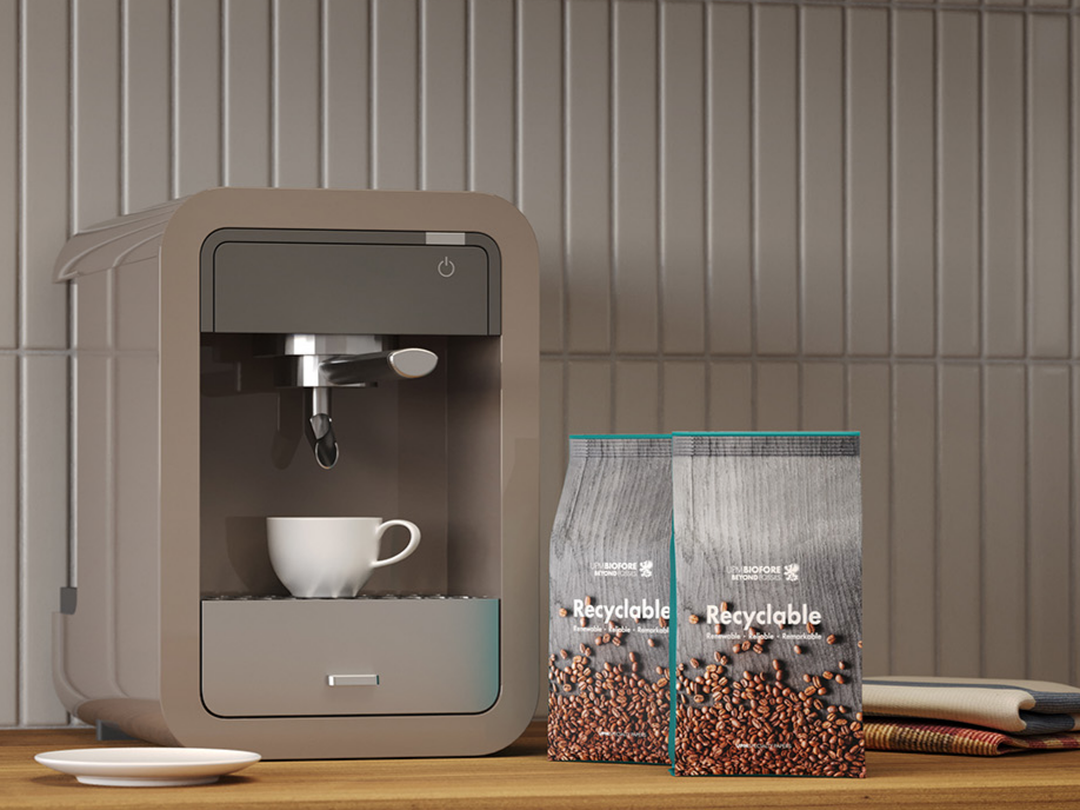
UPM Specialty Papers and Michelman have co-created three solutions designed to allow brand owners to replace multi-material, non-recyclable packaging with paper-based alternatives that meet their requirements for food contact and recyclability.
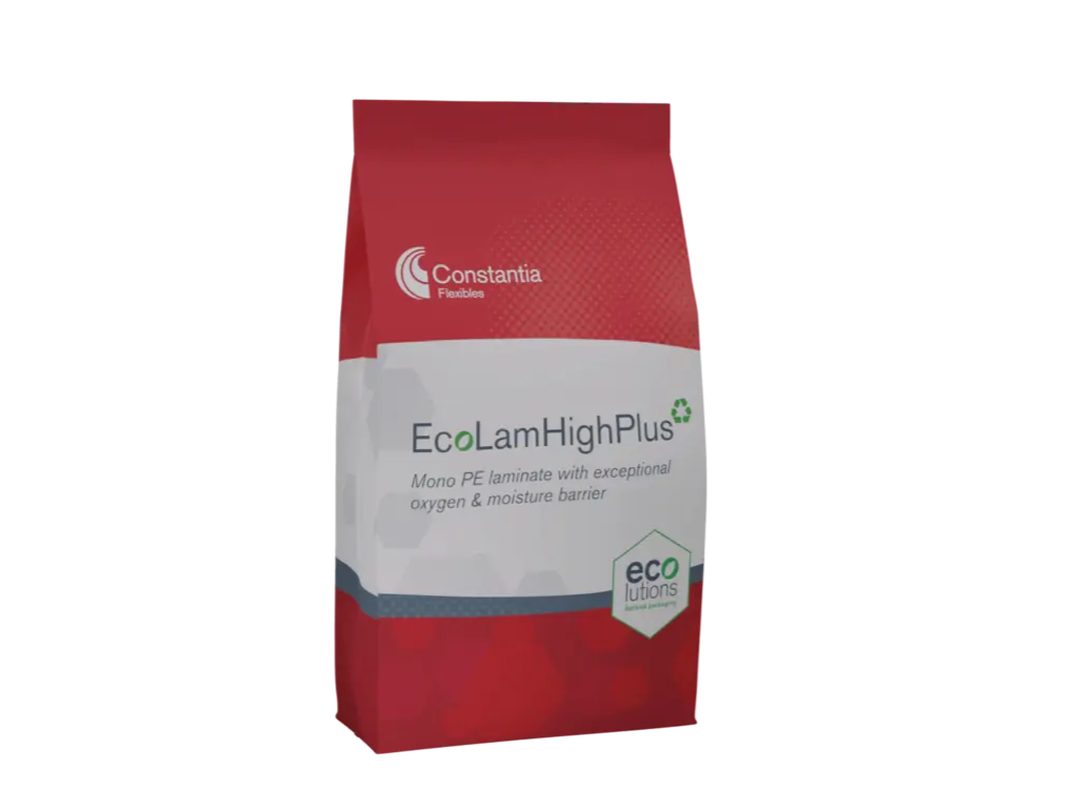
Syntegon’s advanced PMX packaging platform for coffee packaging now runs Constantia Flexibles’ EcoLamHighPlus mono-polyethylene material in pursuit of an ‘efficient, future-ready solution’ at no extra cost to brand owners.
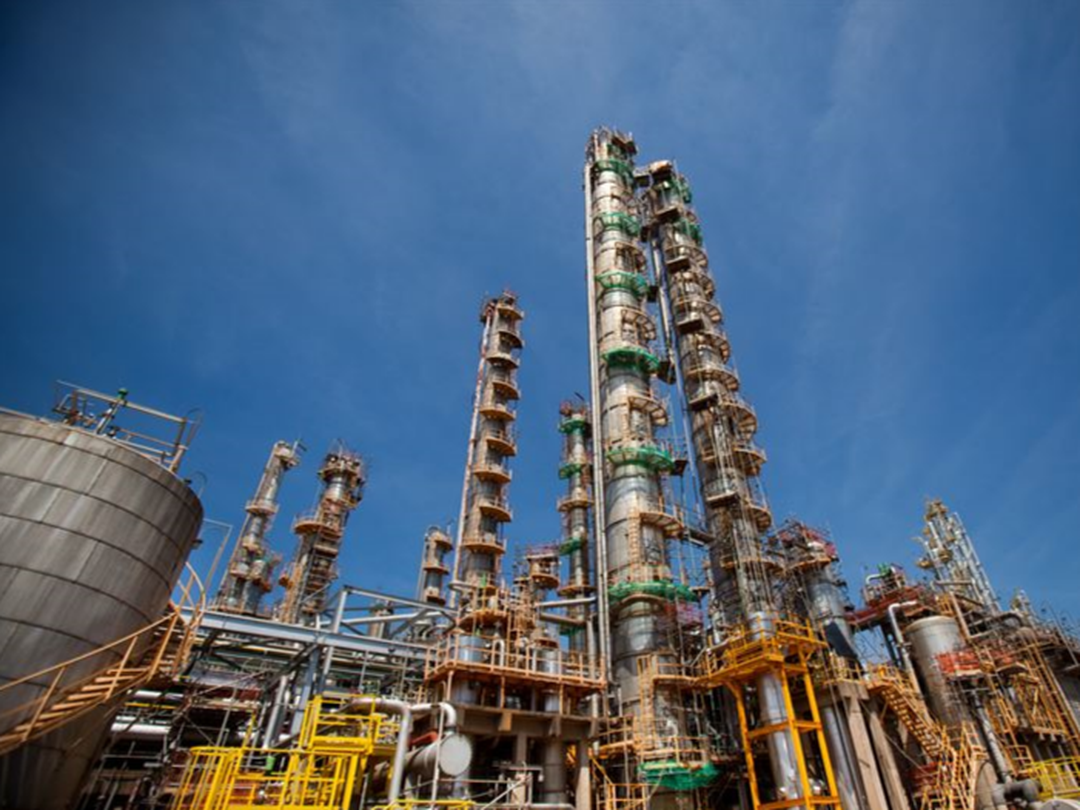
Neste and Braskem have reached an agreement for the supply of renewable and recycled feedstocks for polymers and chemicals production, with Braskem products based on the feedstocks expected on the market from Q4 2024, sold mainly in South America.
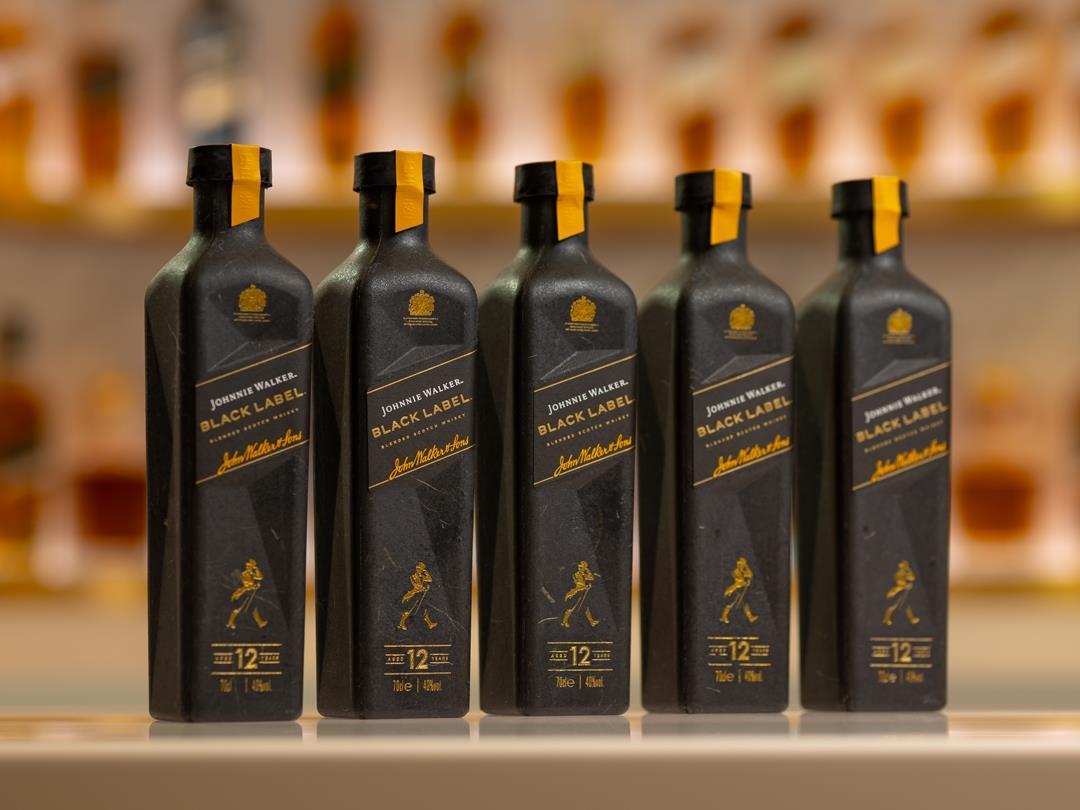
In September, Diageo and PA Consulting teamed up to launch a 90% paper-based bottle for the iconic Johnnie Walker Black Label whisky brand. To find out more about the product – including how the companies are looking to bring it to commercial scale, and the claim that it could emit 47% less carbon…
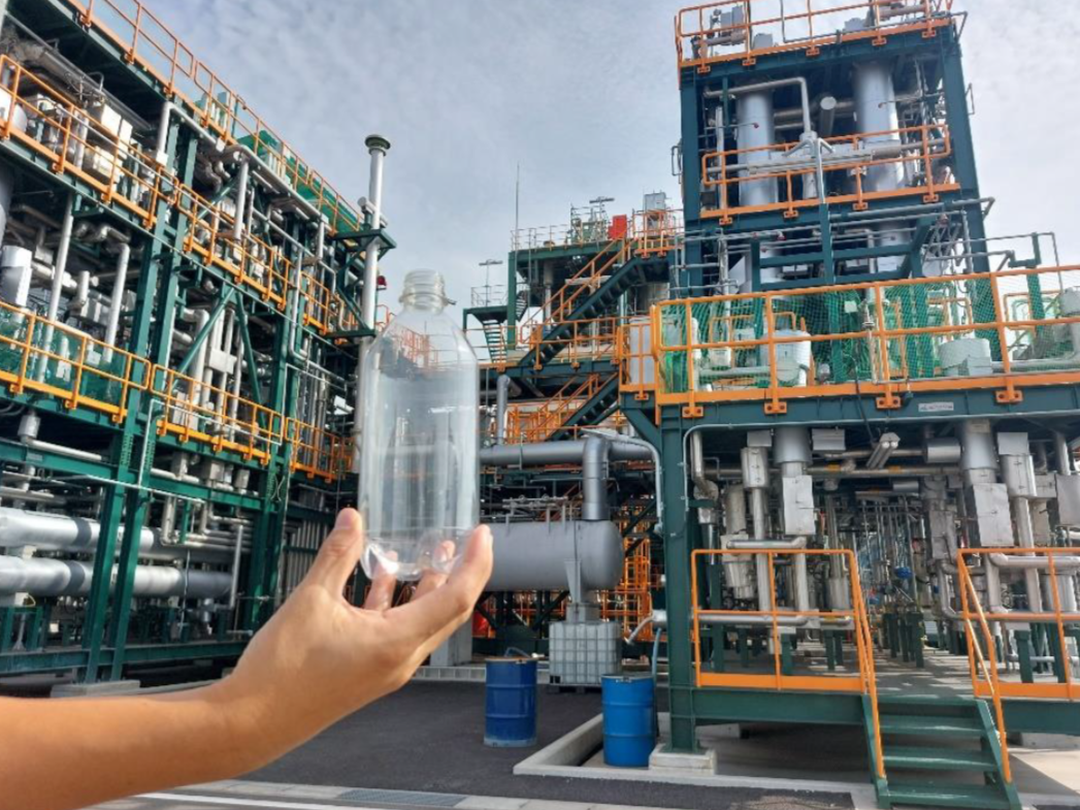
Axens is commercially licensing its Rewind PET chemical recycling process for PET waste, developed in collaboration with IFPEN and JEPLAN, in an effort to achieve circularity for plastics and further accelerate the energy transition.
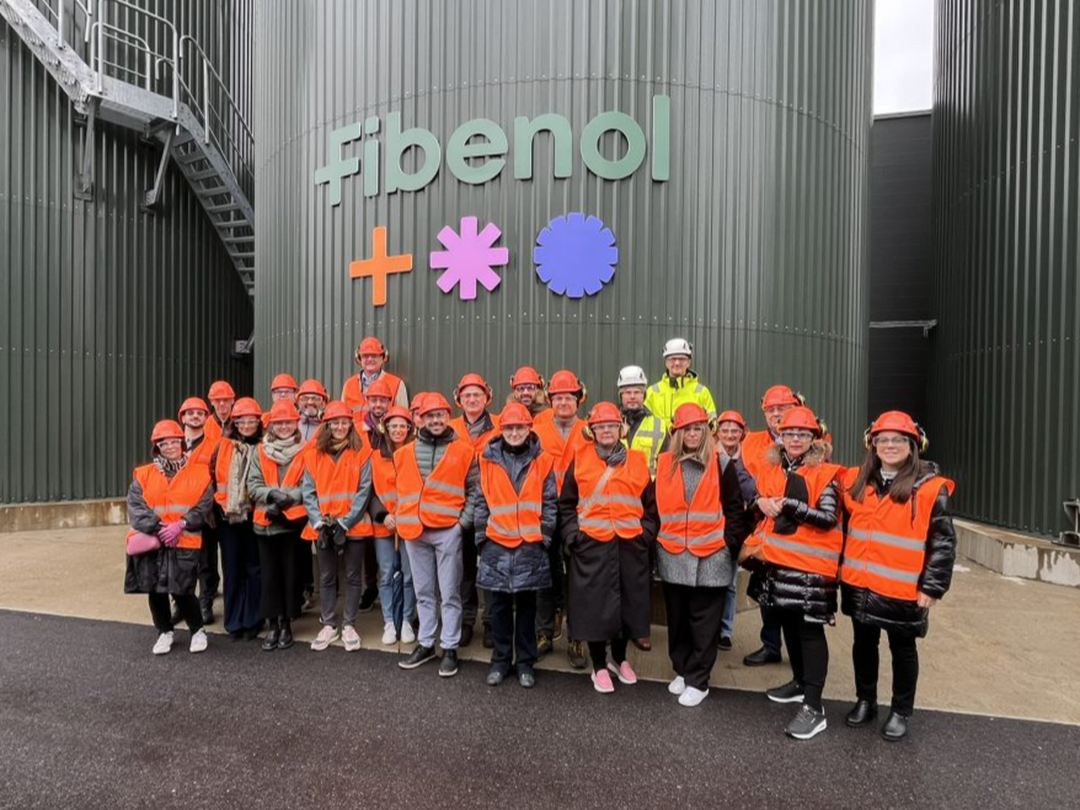
Following its one-year anniversary, the REDYSIGN project – which aims to develop recyclable, wood-derived packaging alternatives for fresh meat products – reports such progress as using fibre as an adhesive, testing smart solutions to signal spoilage, and applying markers for traceability.
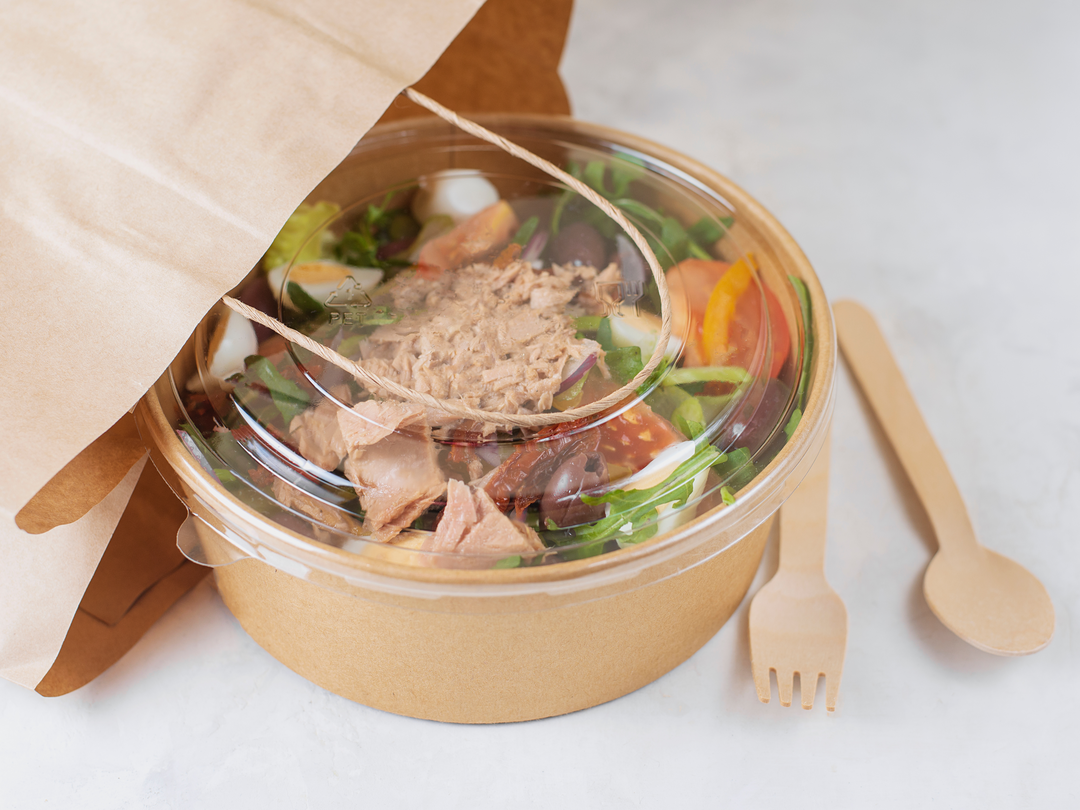
Avantium has collaborated with fresh food company Royal Vezet to implement its polyethylene furanoate (PEF) based packaging for salad bowls, set to be used by Netherlands supermarket chain Albert Heijn.
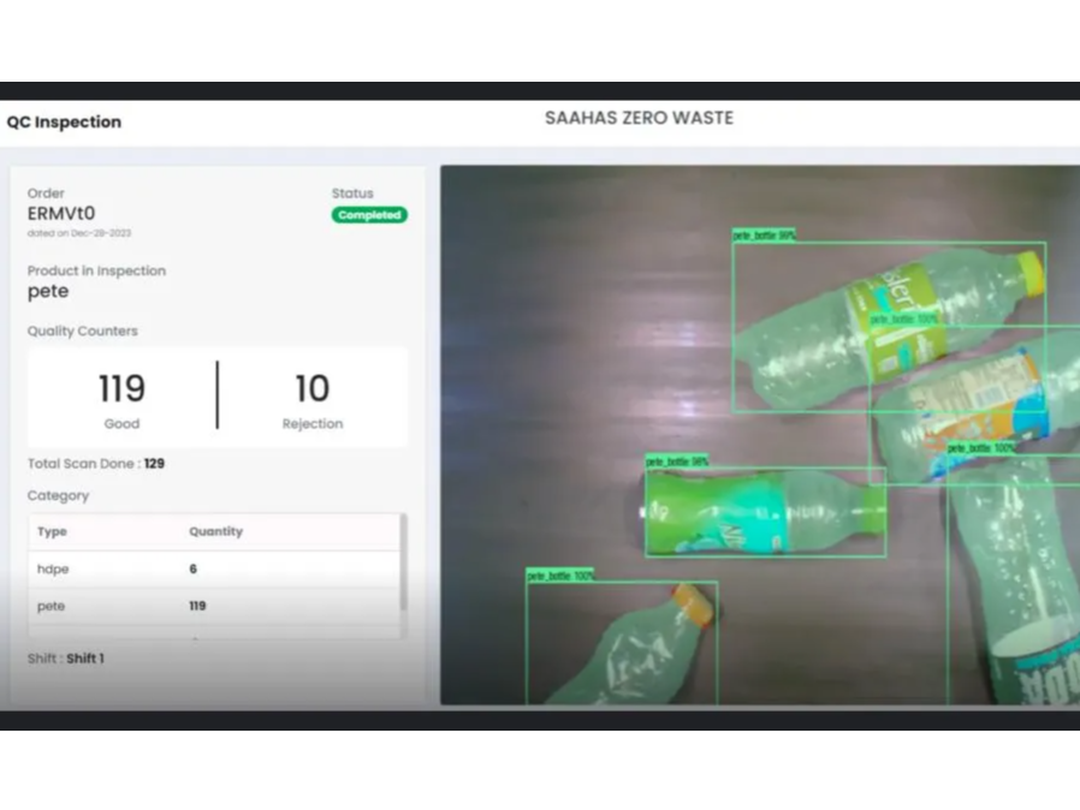
Saahas Zero Waste is utilizing Google’s open-source machine learning model, CircularNet, in a bid to sort plastic waste more effectively, responsibly manage over 500 tonnes of waste every day by 2026, and help improve recycling rates in India.
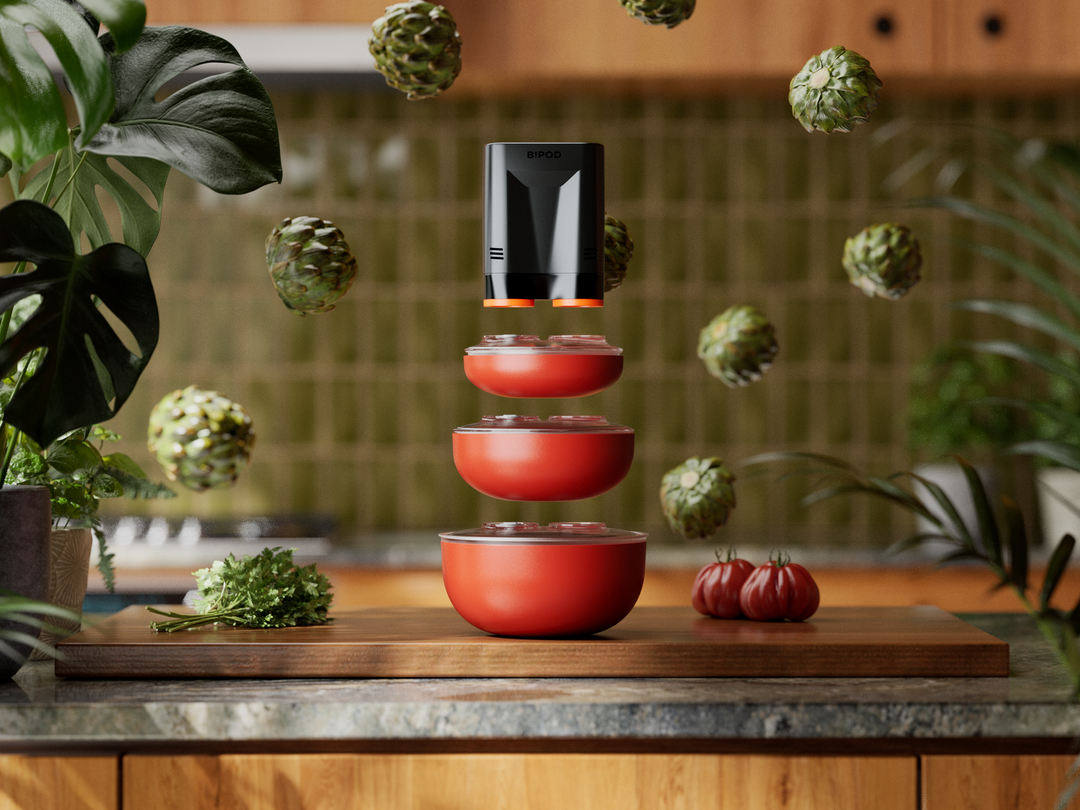
In a move set to eliminate over 300 plastic bags per person and reduce CO2 emissions by 30kg per capita, SABIC’s high-gloss polypropylene resin containing around 50% ‘ocean-bound’ plastic has been incorporated into food-contact vacuum containers from SAES Getters business unit B!POD.