
Siegwerk launches ink that also acts as oxygen barrier
Siegwerk has launched a new white printing ink that also provides an oxygen barrier – an innovation that aims to combine two layers into one.
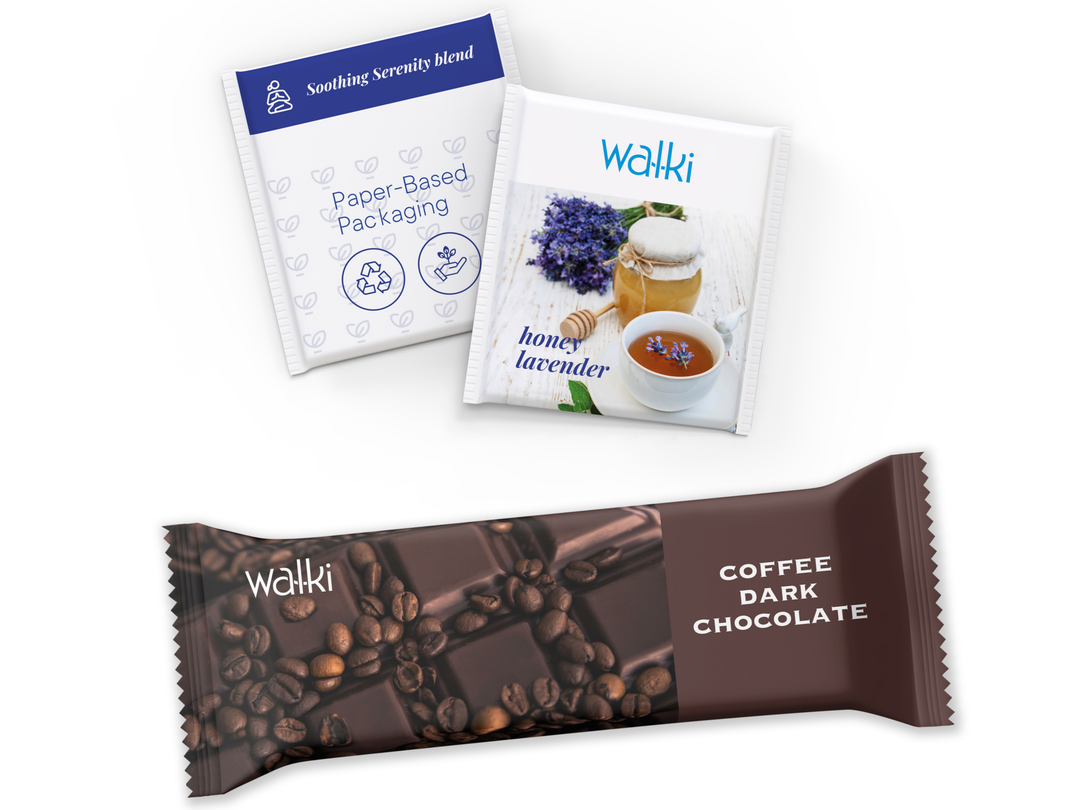
Walki has entered a strategic partnership with Lactips to create ‘fully biodegradable, plastics-free’ food packaging using natural polymers, designed to be to be fully recyclable in the paper stream.
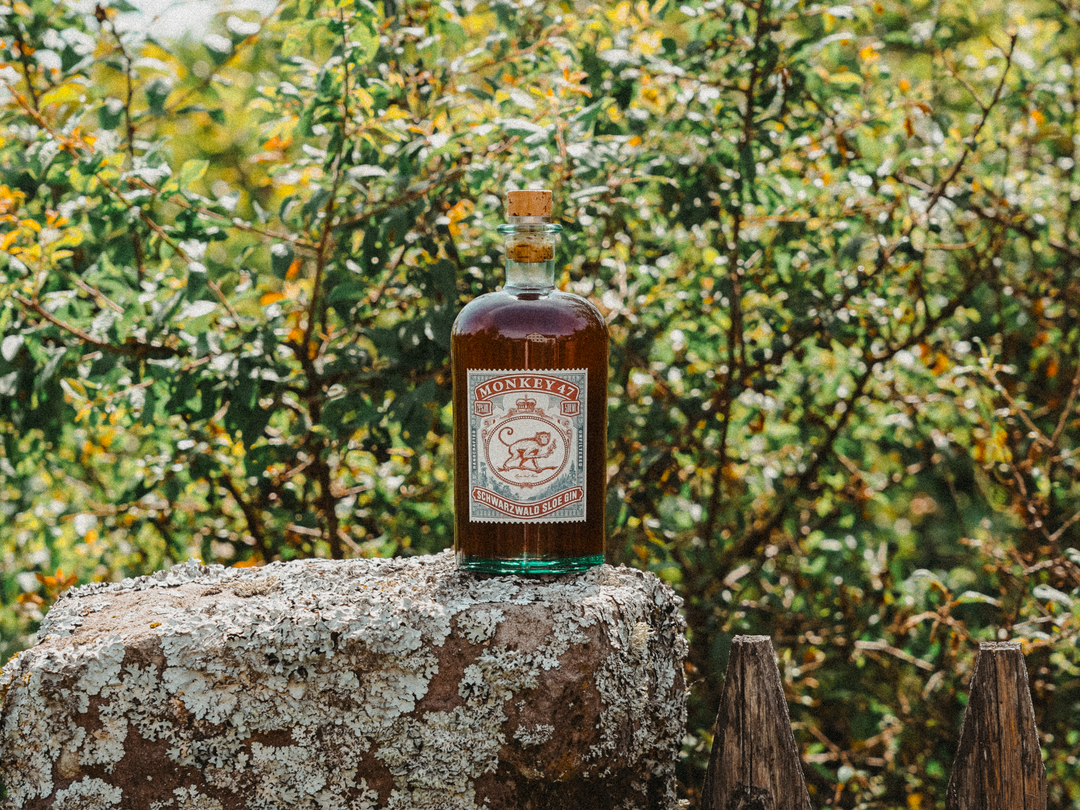
Pernod Ricard’s premium gin brand Monkey 47 has introduced a bottle made from 95% post-consumer recycled glass (PCR) for its Sloe Gin.
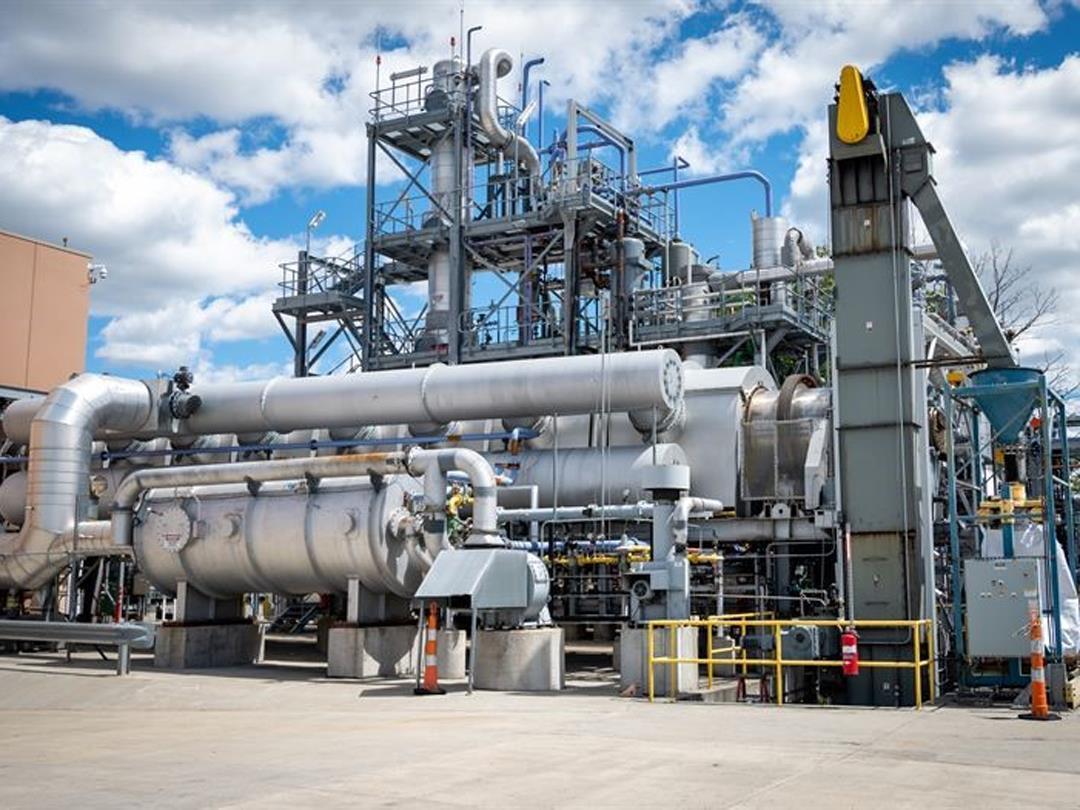
Neste, Alterra and Technip Energies have launched a project that offers a standardized, modular solution for building chemical recycling plants.
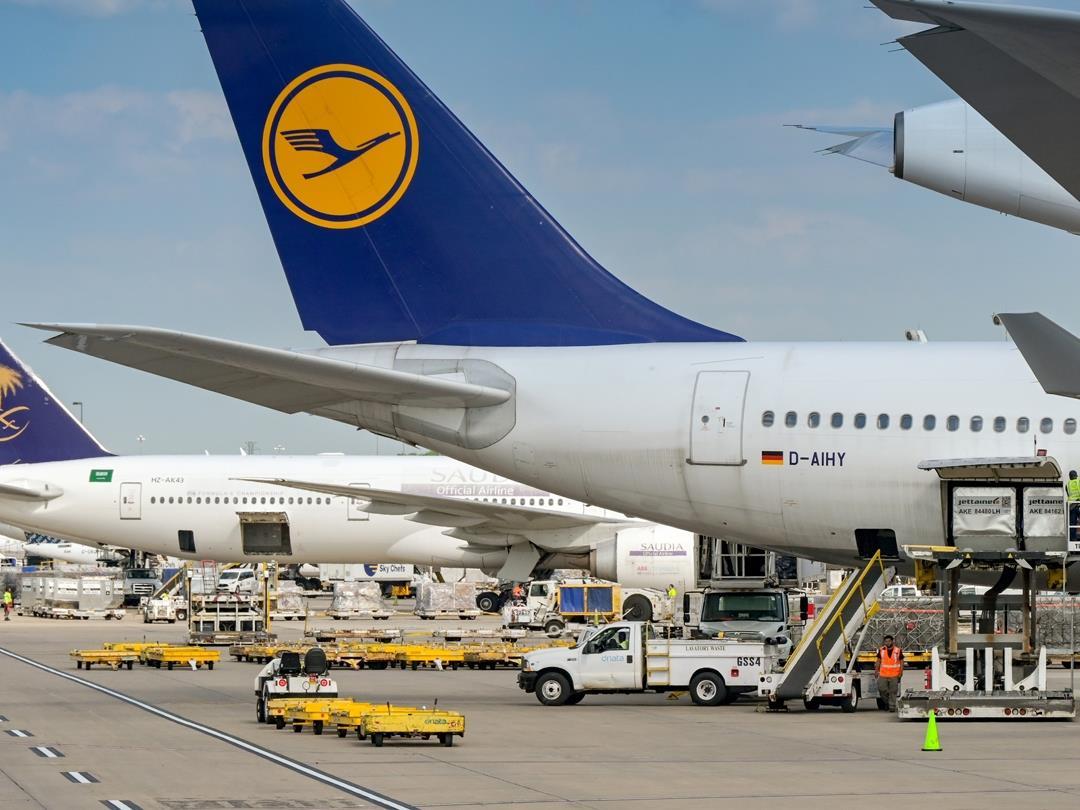
WasteAid and Lufthansa Group have launched a new partnership that will aim to reduce the amount of packaging waste generated on its flights that ultimately ends up in landfill.

The ‘world’s first’ bio-PET bottle, derived from used cooking oil and believed to reduce CO2 emissions, has been launched at commercial scale by Indorama Ventures, Suntory, Neste, ENEOS, Mitsubishi Corporation, and Iwatani.
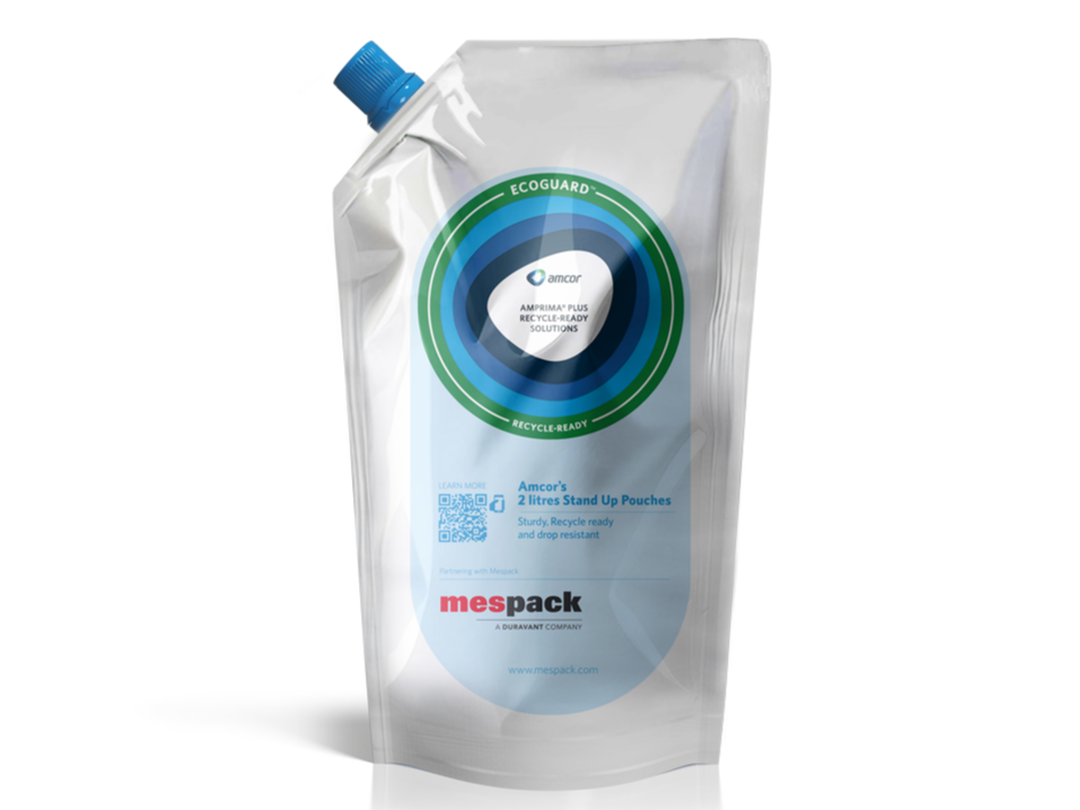
Mespack and Amcor have developed a ‘recycle-ready’ stand-up pouch designed for home care products such as soaps, cleaners, and laundry detergent, aiming to overcome the challenges of scaling up larger flexible packaging formats using recycle-ready materials.
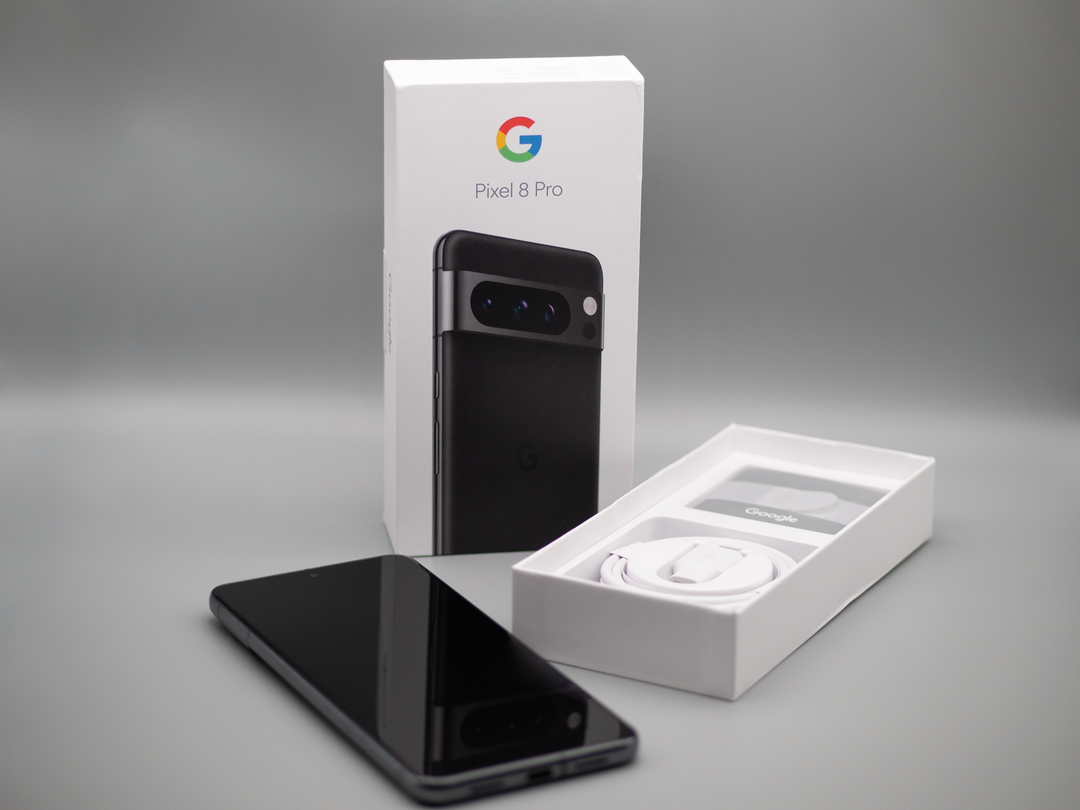
Following the publication of Google’s Plastic-Free Packaging Design Guide, packaging innovation lead Miguel Arevalo details the company’s “collaboration over competition” approach to sustainable packaging, from open-source solutions to blind research trials.
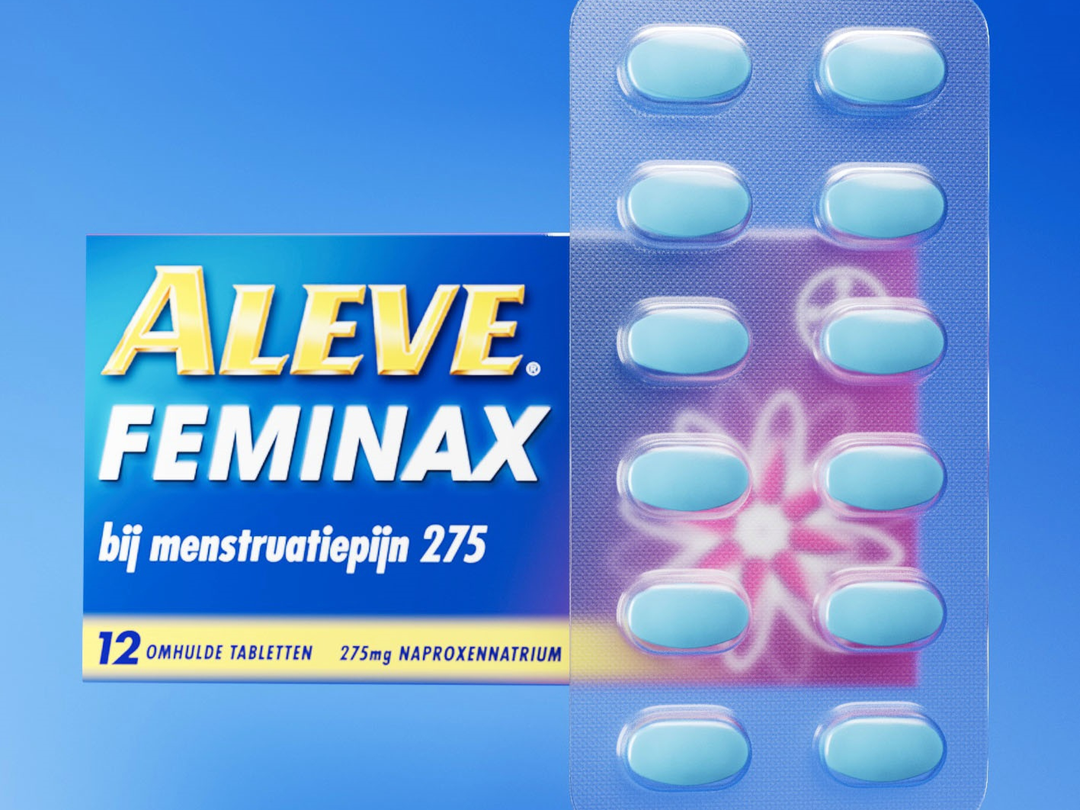
In partnership with Liveo Research, Bayer has developed a ‘first-of-its-kind’ PET blister pack for its over-the-counter Aleve drug brand – and reports a 38% reduction in carbon footprint through its elimination of PVC.
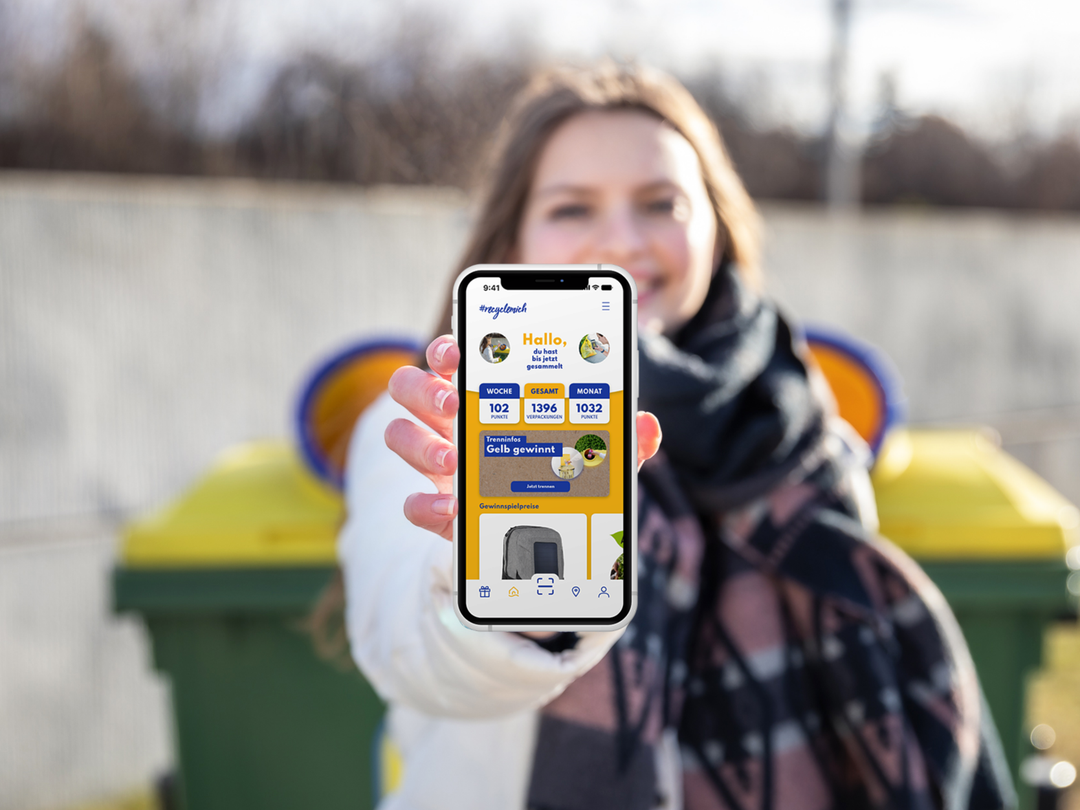
As part of our Finalist Interview series ahead of the Sustainability Awards, we spoke to Ines Kilnhofer, project lead of RecycleMich about its recycling app, designed to improve recycling behaviour by incentivising users, nominated in the Commercialized Best Practice category.
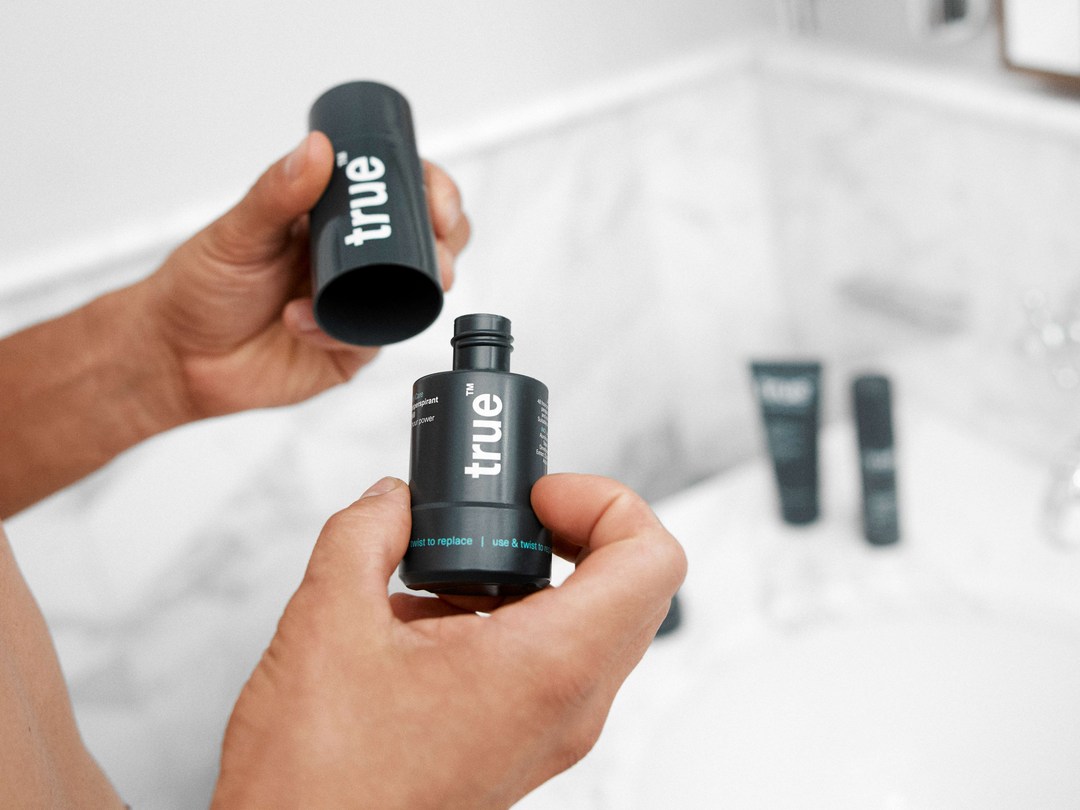
Berry Global has collaborated with men’s skincare brand true to launch a refillable deodorant in Poland, estimated to reduce carbon emissions by around 53% compared to single-use deodorant.
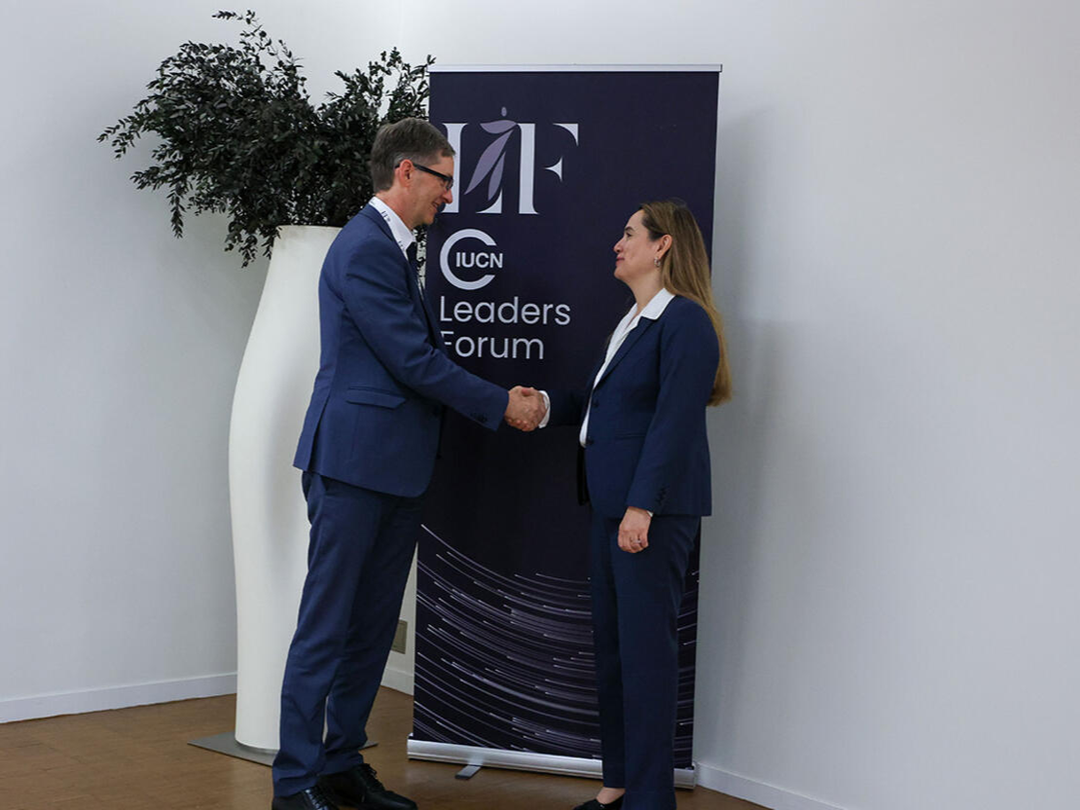
The End Plastic Pollution International Collaborative (EPPIC), a public-private partnership intending to bolster international efforts to tackle the impacts of plastic pollution, will receive $14 million in funding from the United States government.
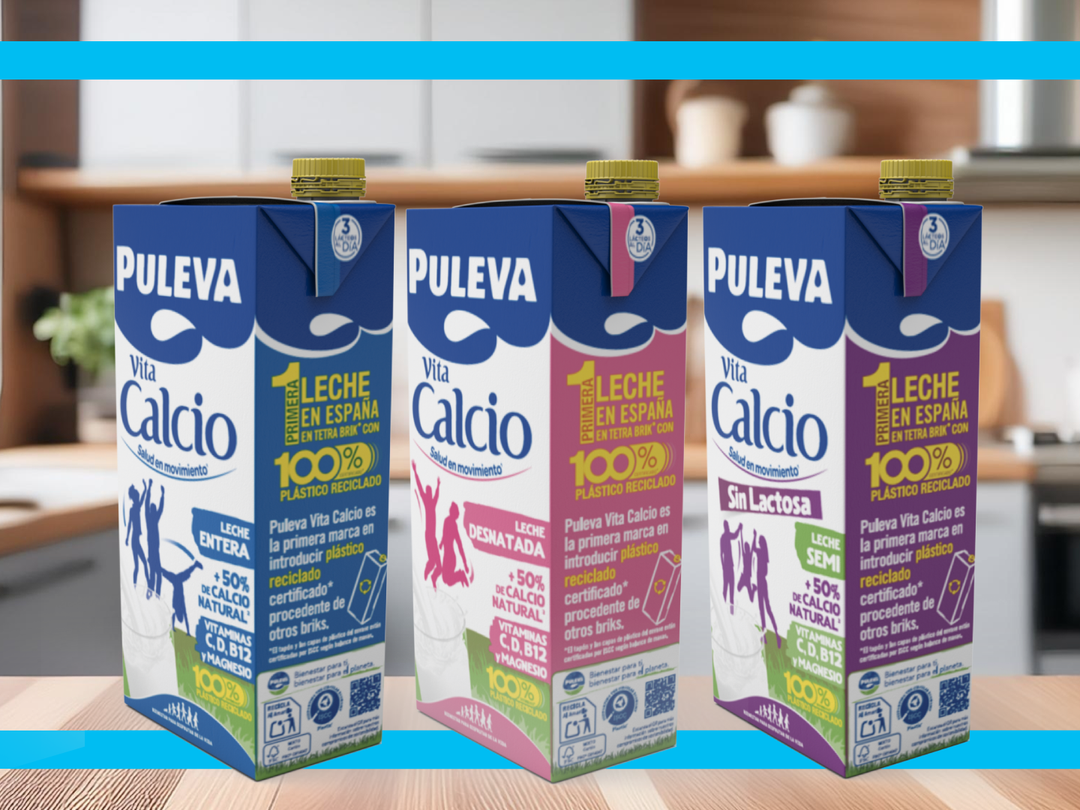
A new carton package from Tetra Pak and Lactalis incorporates certified recycled polymers from used beverage cartons into dairy packaging; this is hoped to help reduce the industry’s reliance on finite, fossil-based virgin materials.