
Siegwerk launches ink that also acts as oxygen barrier
Siegwerk has launched a new white printing ink that also provides an oxygen barrier – an innovation that aims to combine two layers into one.
.jpg)
We are living through an era of dramatic acceleration of the use of packaging – and Michael Nieuwesteeg, MD of the Netherlands Packaging Centre (NVC) is on a mission to end packaging as an environmental issue.
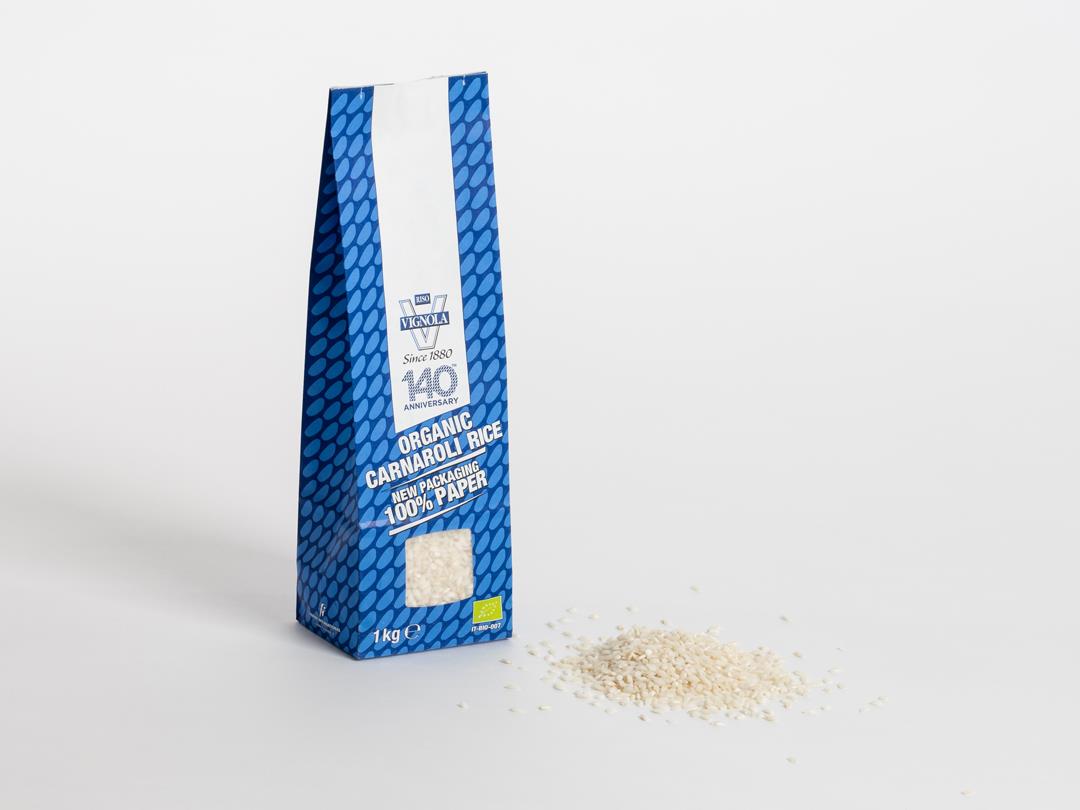
Mondi has joined forces with Reckitt Benckiser Group (RB) to launch a recyclable, mono-material flexible plastic packaging portfolio for its Finish dishwasher tablets.
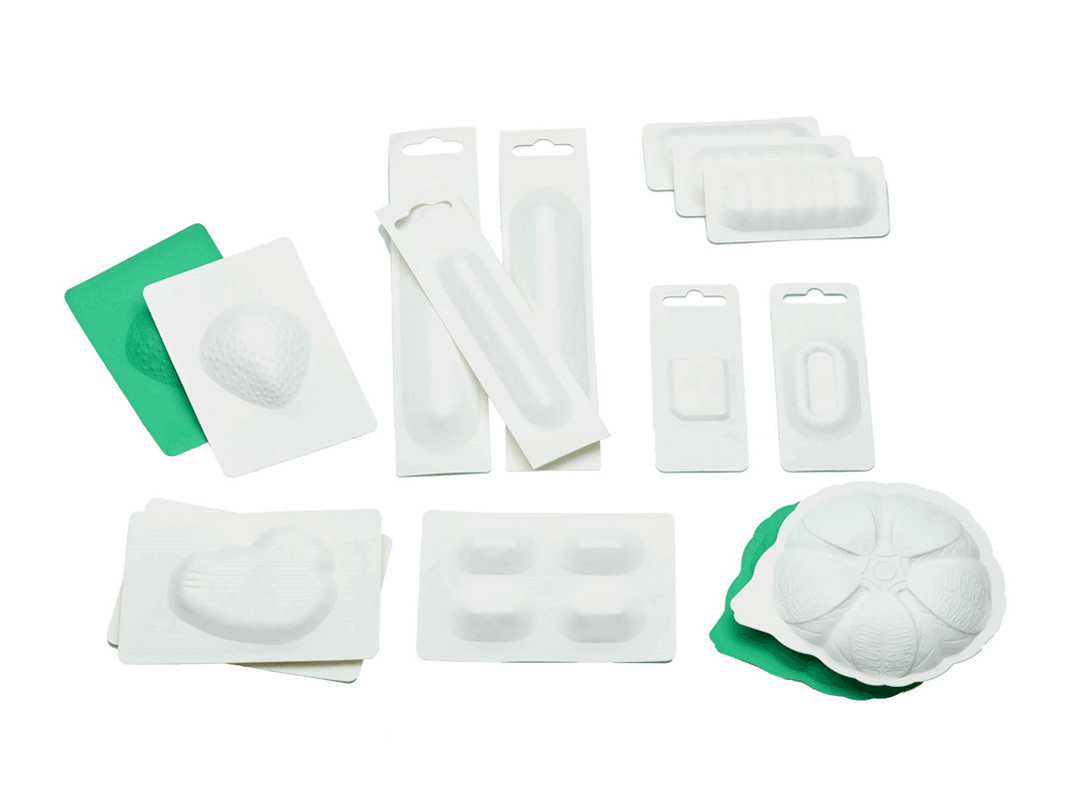
Syntegon Technology and BillerudKorsnäs have developed a system that allows shapes of any kind to be formed from paper for various food and non-food applications.
.jpg)
NVC’s Michael Nieuwesteeg speaks to Tim Sykes ahead of the launch of the PUMA manifesto, introducing a toolkit that aims to eliminate packaging as a sustainability issue.
.gif)
Packaging Europe has collated views from across the value chain on the current challenges and wider implications of the COVID-19 pandemic for packaging and FMCG.

Solucan has partnered with microbreweries in an effort to emphasise solidarity and locally sourced products in a time of crisis through the use of augmented reality.
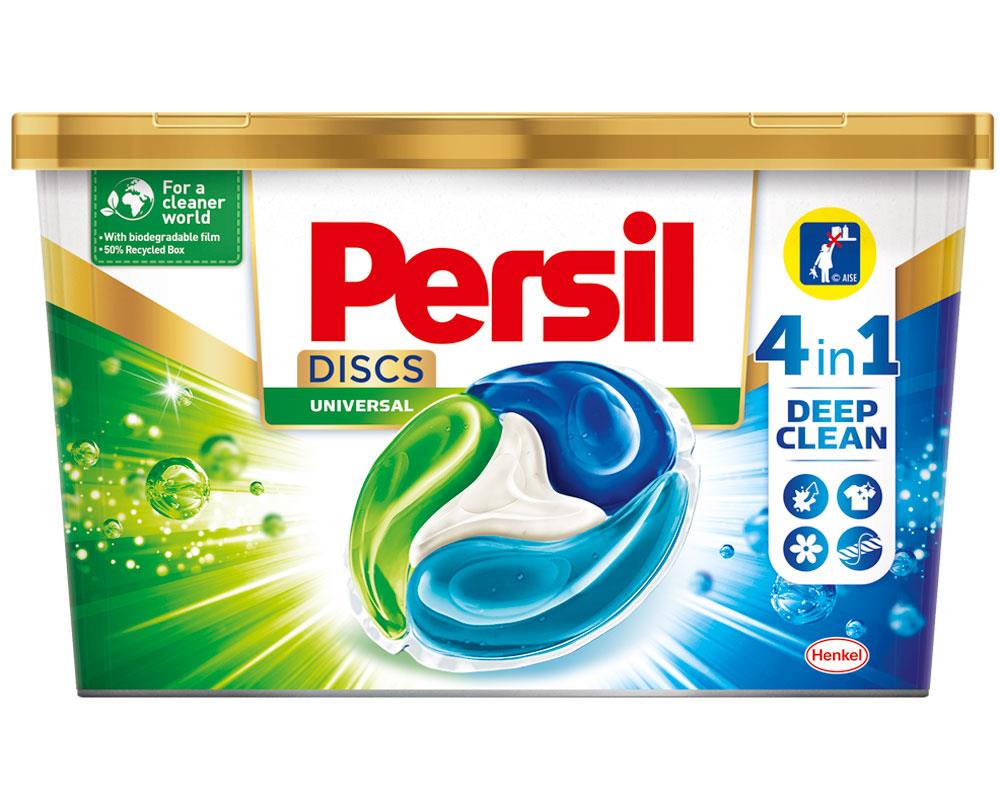
Henkel’s new Persil packaging contains 50% recycled polypropylene (rPP) obtained from discarded household plastics.
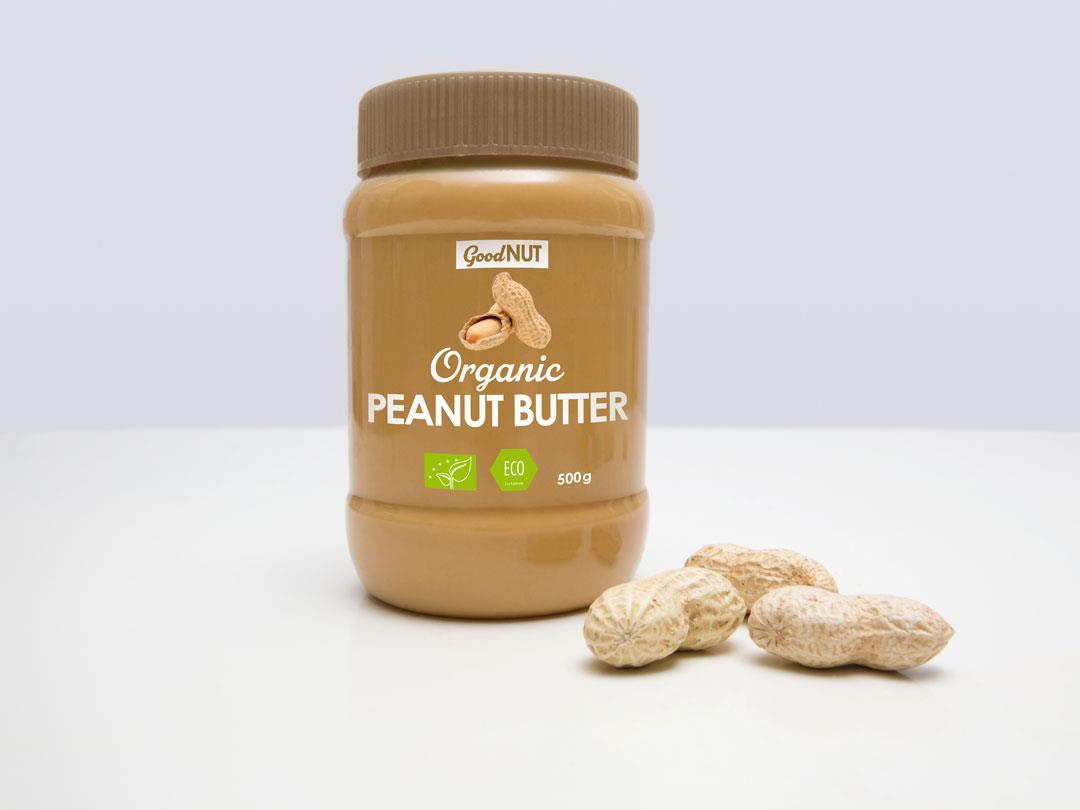
UPM Raflatac has collaborated with SABIC to produce what it says is the first polypropylene (PP) label film manufactured from post-consumer recycled (PCR) plastic on the market, on a mass balance basis.
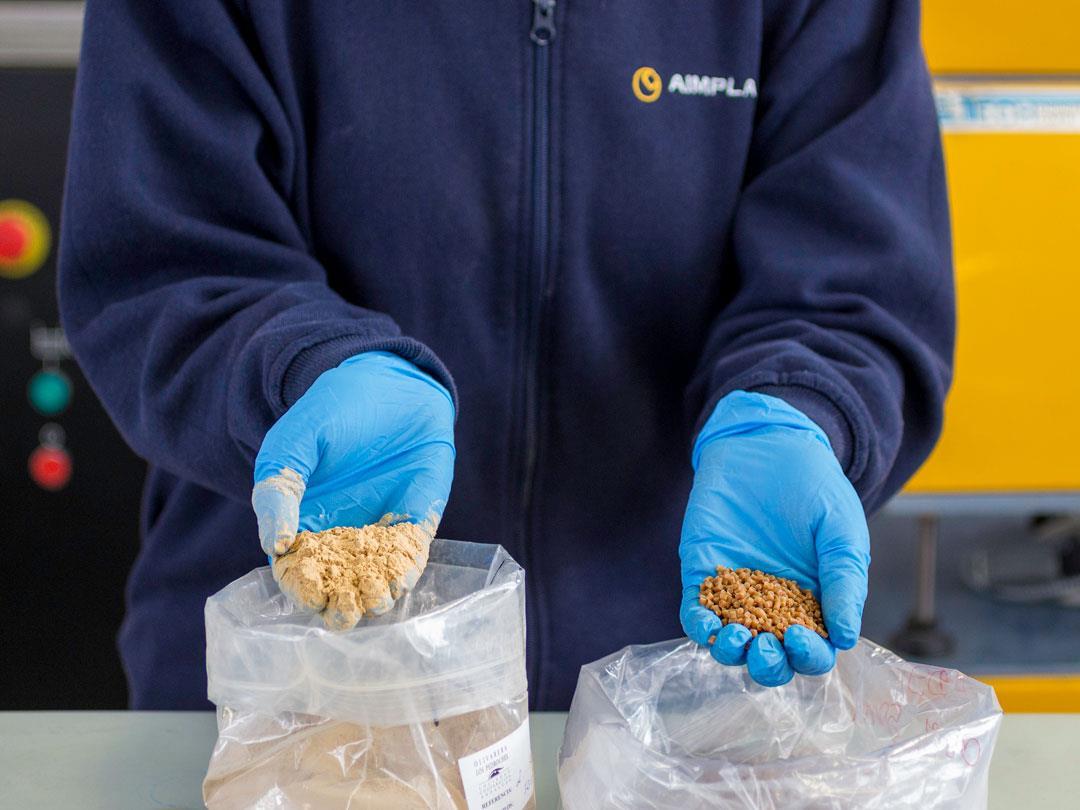
A new collaborative project is using waste from the olive industry to create a bioplastic which is reportedly both biodegradable and compostable.
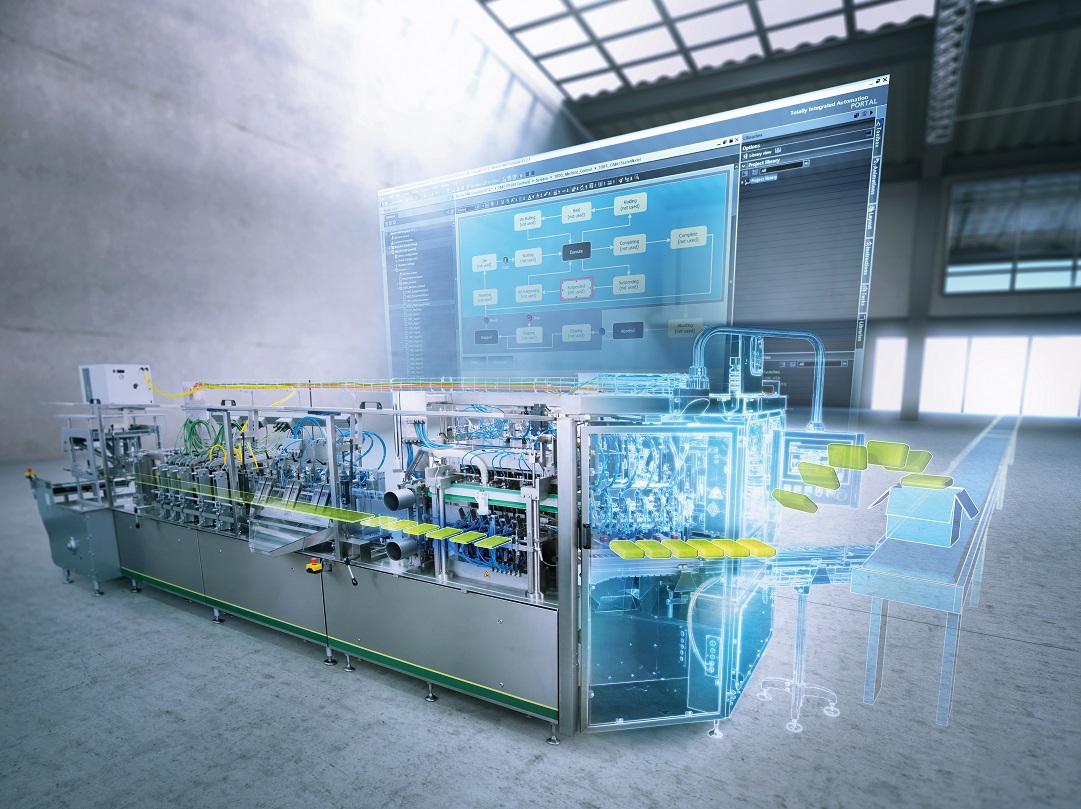
How can lightweight, flexible packaging with low CO2 emissions be made from recyclable materials? This question is one of the hottest topics in the packaging industry today.
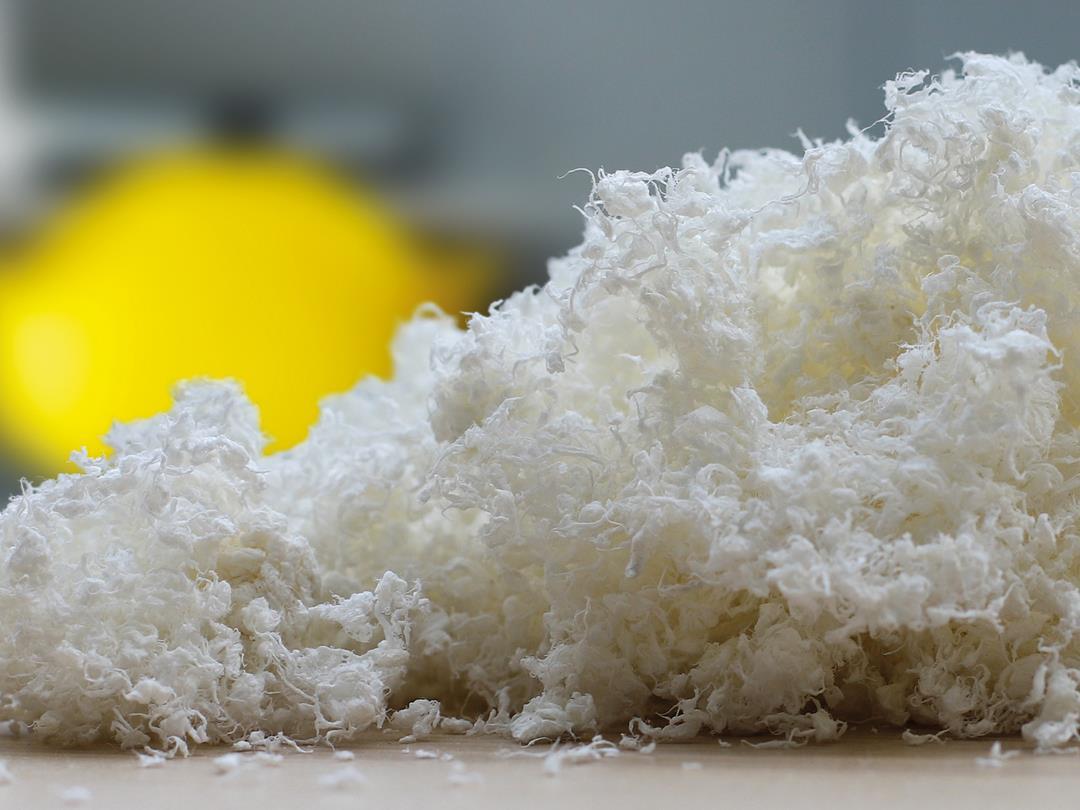
Finnish paper company UPM has developed a new biocomposite material made with “up to 100% renewable resources” that utilises waste from pulp production.
The first snapshot of the findings from what has been described as “one of the largest ever commercially funded quantitative studies into business recycling and waste management across Europe” has been published.