
Siegwerk launches ink that also acts as oxygen barrier
Siegwerk has launched a new white printing ink that also provides an oxygen barrier – an innovation that aims to combine two layers into one.
Maria Wahlgren, SVP Commercial & Innovation, Fiber and Foodservice at Huhtamaki shares her insights on how fiber packaging can help solve the food industry’s sustainability challenges with Packaging Europe’s Libby Munford.

Ahlstrom-Munksjö has expanded its range of release papers based on renewable fibres for pressure sensitive adhesive (PSA) silicone coating.
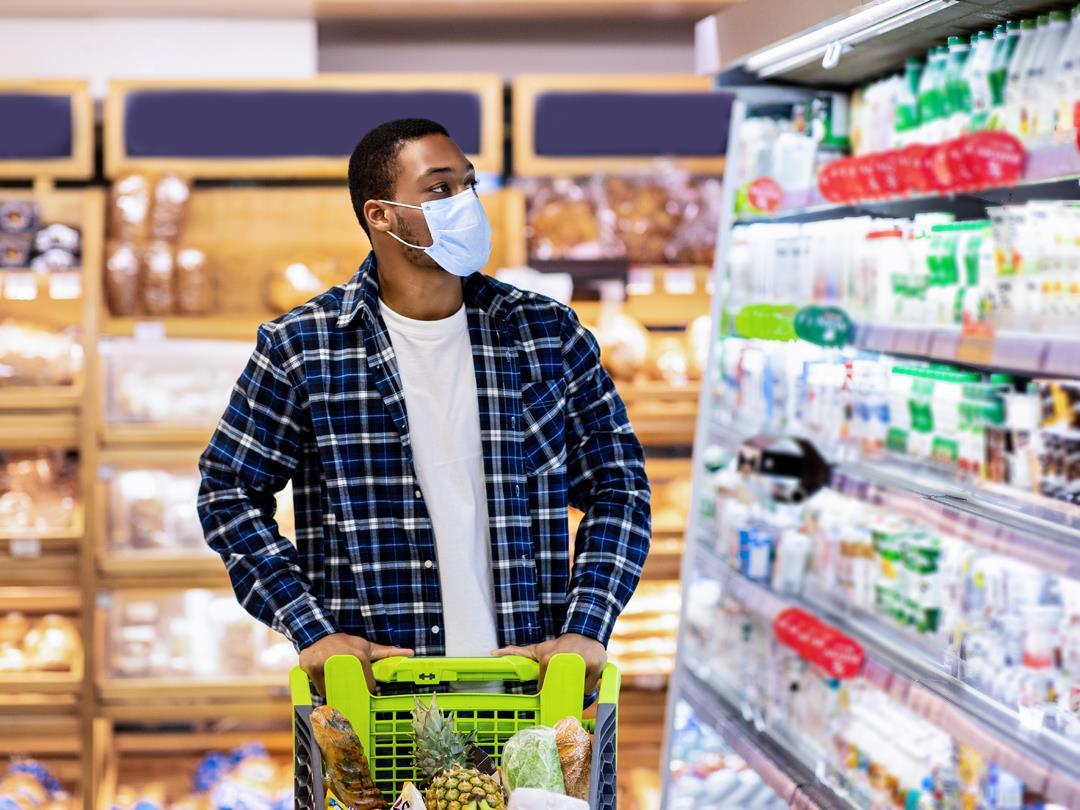
In light of pandemic-related trends toward e-commerce shopping, how can retailers re-engage consumers in the bricks-and-mortar experience? The answer, according to AIPIA’s communications director Andrew Manly, lies in the successful and comprehensive usage of smart packaging.
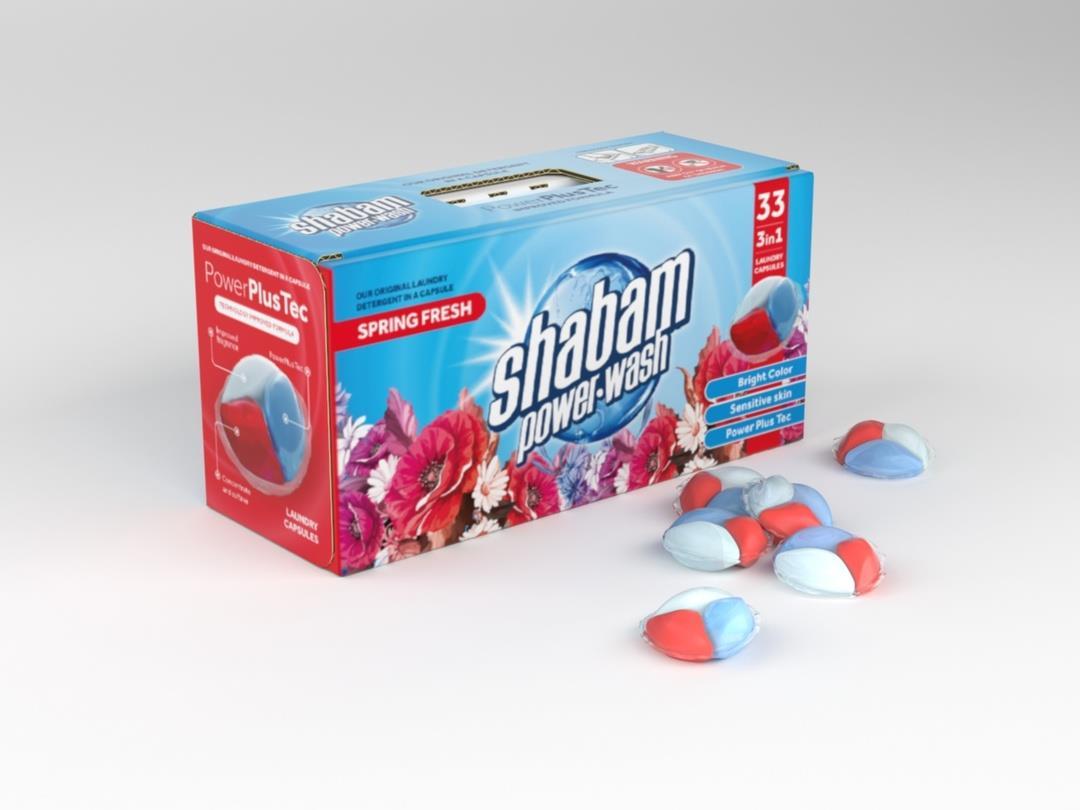
Smurfit Kappa has introduced the patented TopLock Box, a plastic-free, paper-based packaging solution for detergent pods and capsules with child-proof features.
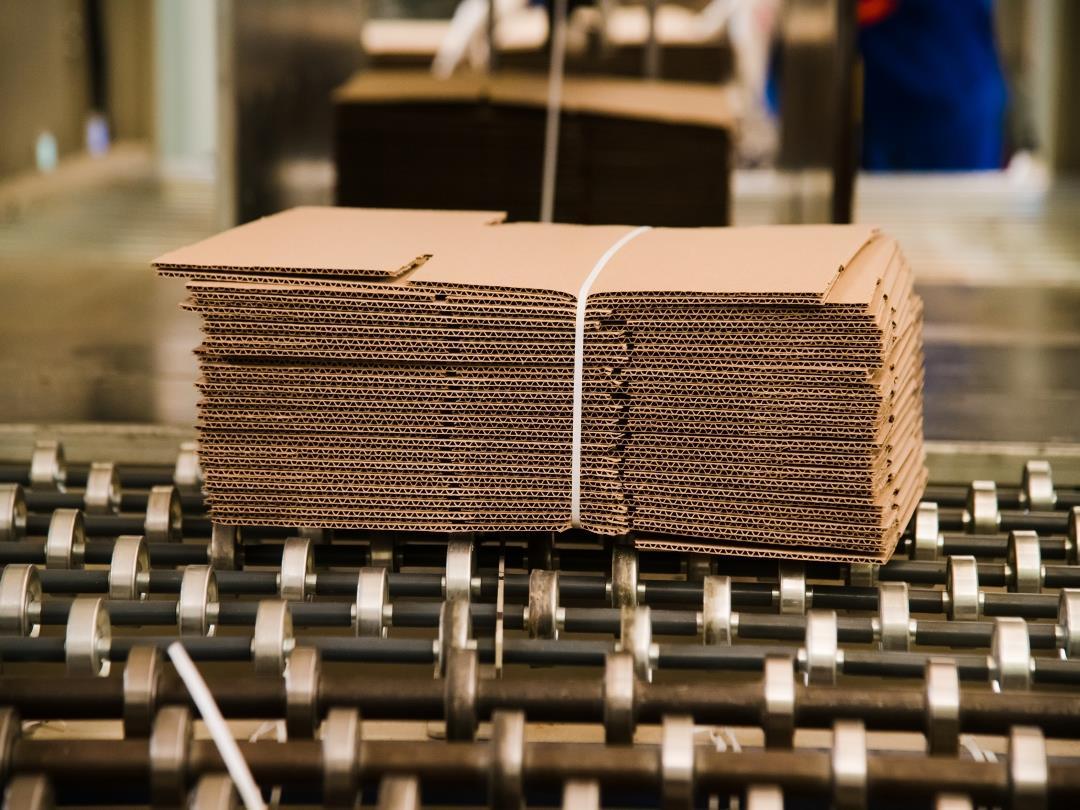
According to Moody’s, the paper and forest products industry’s earnings could decrease by up to 12% over the next 12 months, with significantly higher energy, transport, and labour costs counteracting most of the growth offered by high demand in the paper packaging segment. Russia’s invasion of…
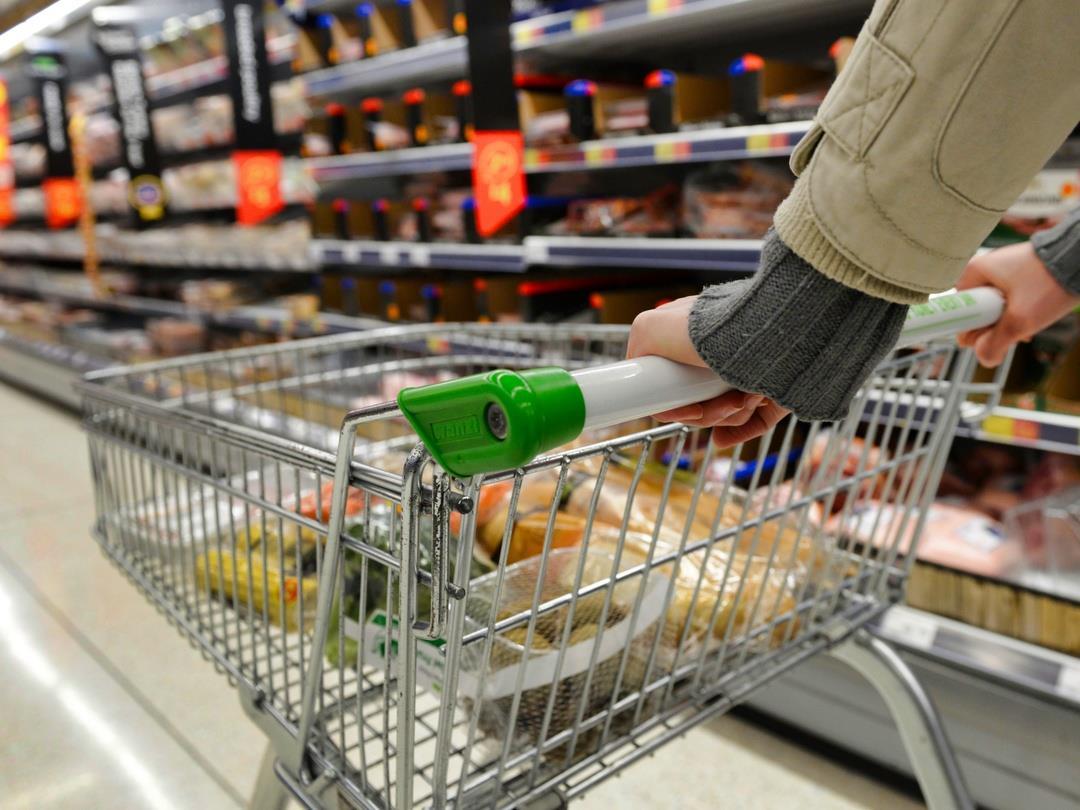
Asda has collaborated with Whywaste on a new data solution that could simplify the supermarket’s mark-down process through an app that records expiry dates with the aim of reducing food waste.
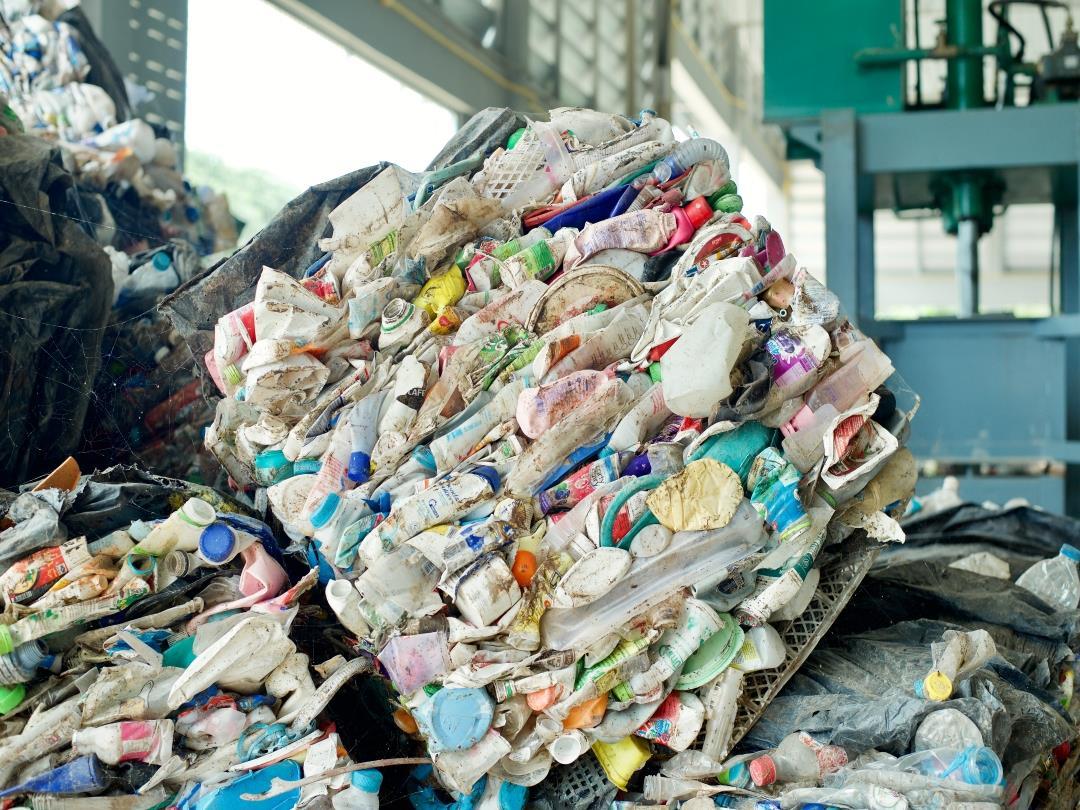
How might intelligent packaging emerge as a new frontier for plastic waste management? Aditi Basu, marketing head at Future Market Insights, explores how companies are using blockchain, RFID, and AI to enhance the collection, sorting, and recycling of plastic waste.
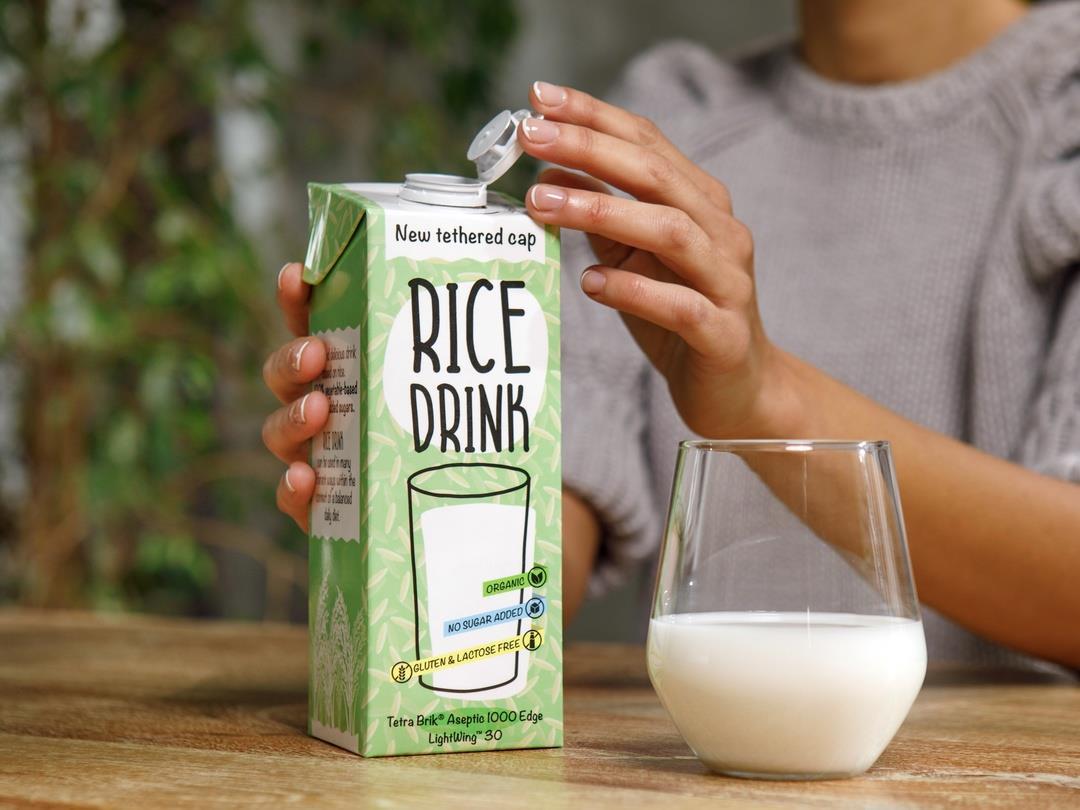
Tetra Pak has announced the market-first launches of its plastic and plant-based tethered cap solutions for carton packages in Ireland, the Baltics, Spain, and Germany.
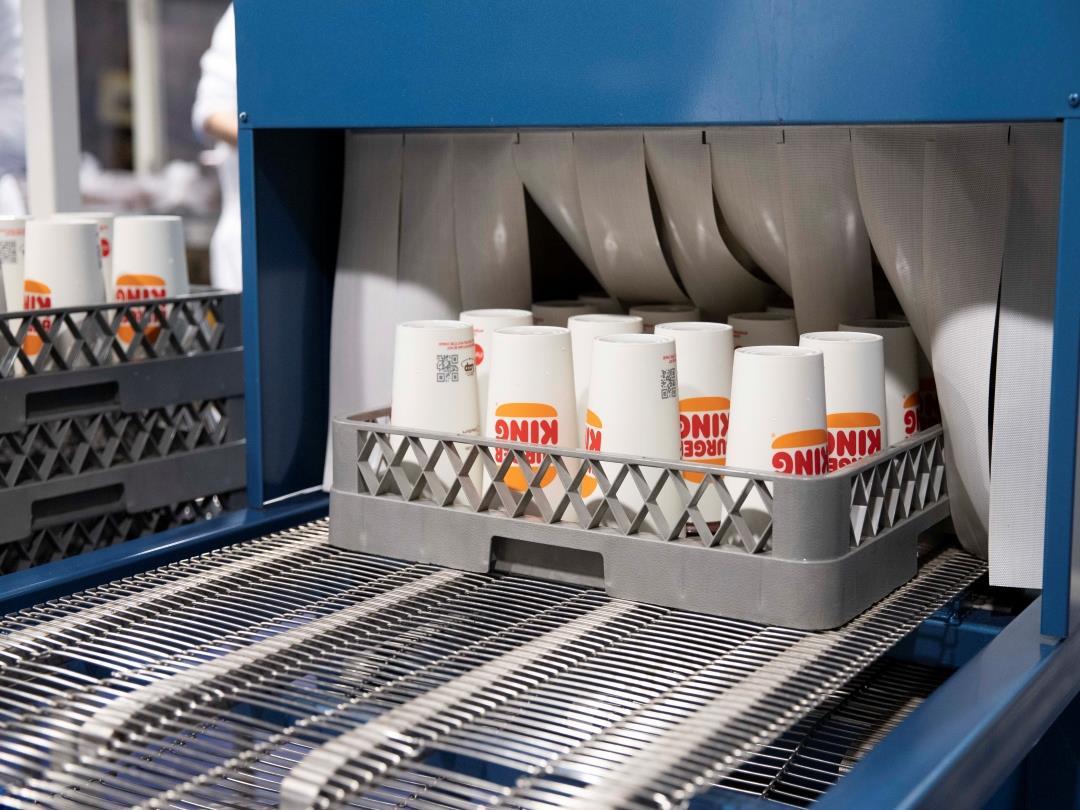
Burger King has announced that it will be piloting a new range of reusable and returnable packaging for burgers, sides, and drinks across selected restaurants with the global re-use platform, Loop.
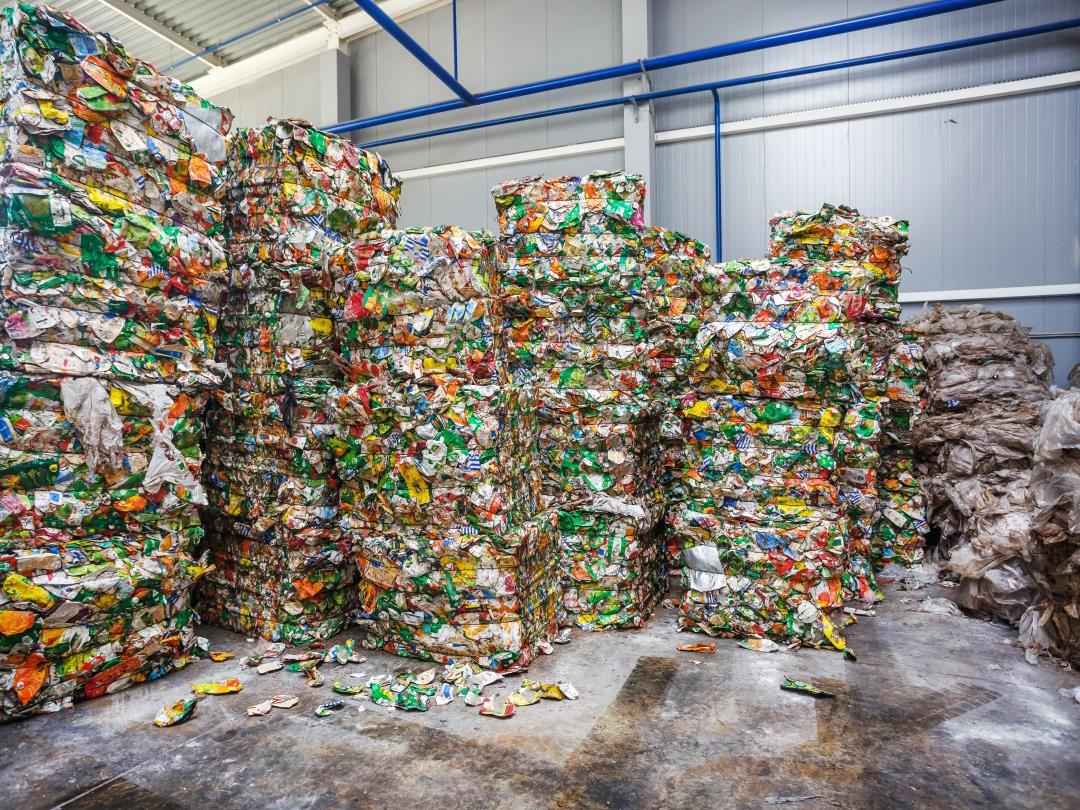
According to CEFLEX, a truly circular economy must be demand-driven. Following the Ellen MacArthur Foundation’s call for a EUR 2 billion investment to increase recycling capacity fourfold by 2025, CEFLEX has worked backwards along the supply chain to clarify the scale of recycling, sorting,…
Trends and tastes change in an instant! Digitalization is underpinning the agility that modern manufacturers must exploit in order to meet the needs of more demanding consumers.