
Siegwerk launches ink that also acts as oxygen barrier
Siegwerk has launched a new white printing ink that also provides an oxygen barrier – an innovation that aims to combine two layers into one.
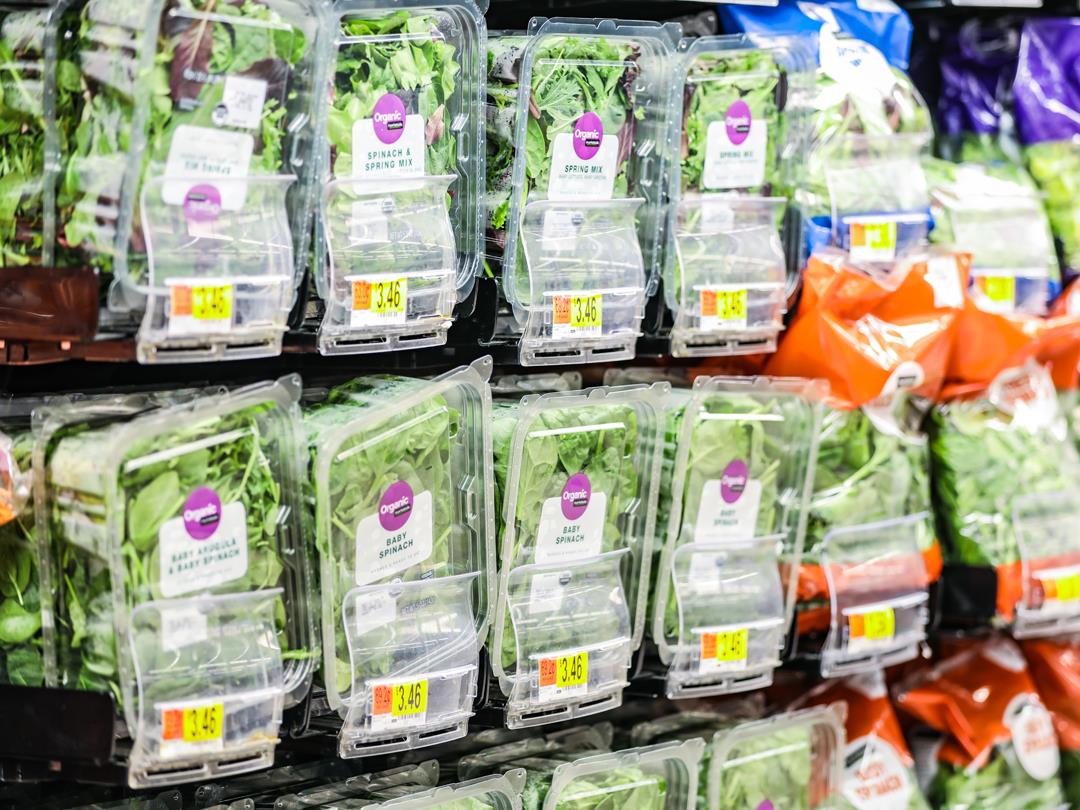
It is not just in the area of ‘active’ material technology, such as colour-changing films, that condition monitoring can be found. Electronic sensors can often offer more precise results as well as recording the actual levels and speed of deterioration as well as humidity to offer further insights…
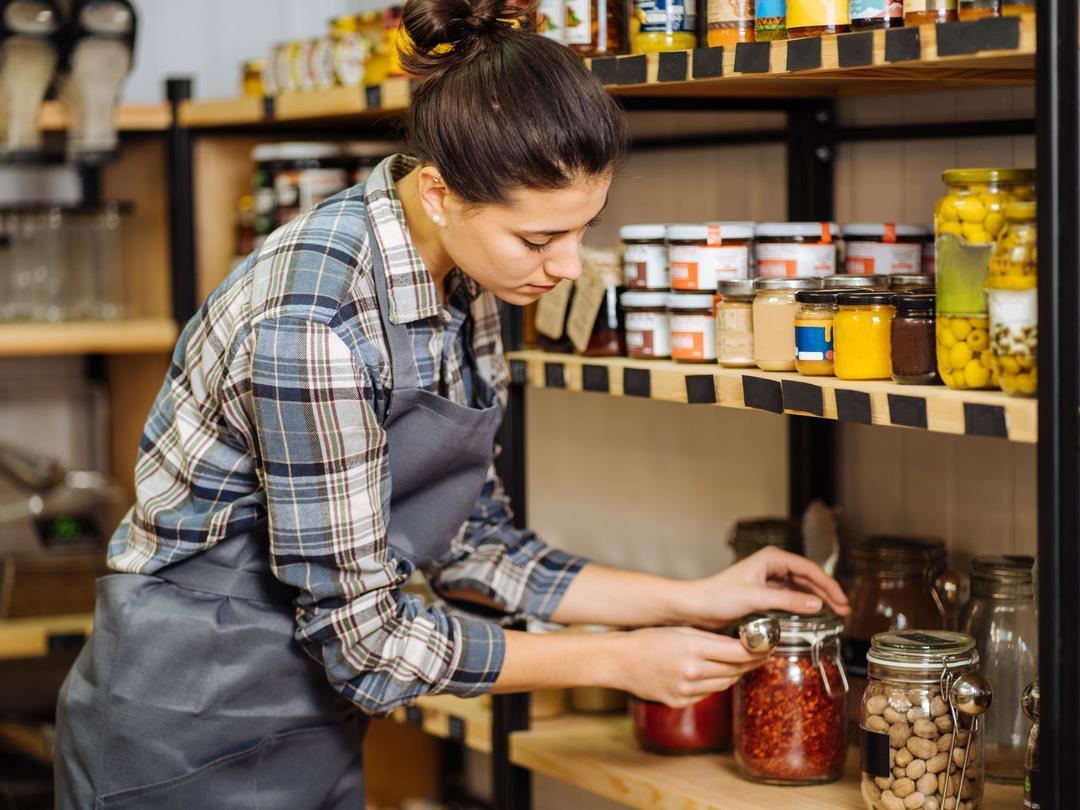
The University of Sheffield and its European partners in the BUDDIE-PACK project are conducting a study to examine the potential of large-scale reusable packaging systems as a replacement for single-use plastics and a combatant against plastic waste.
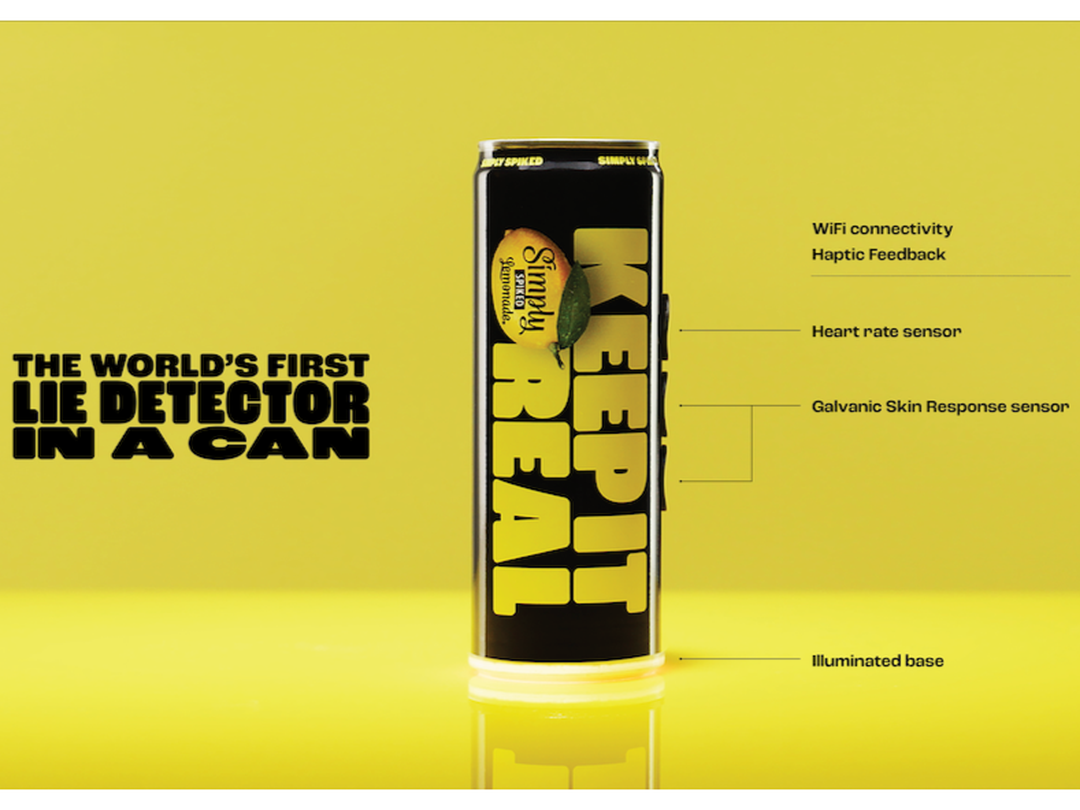
According to a recent survey commissioned by Molson Coors’ brand Simply Spiked Lemonade, just over half (51%) of Canadians aged 19+ have lied to avoid conflict and/or protect someone’s feelings. This new-to-Canada alcoholic lemonade drink, on the other hand, is trying to help them be more honest…
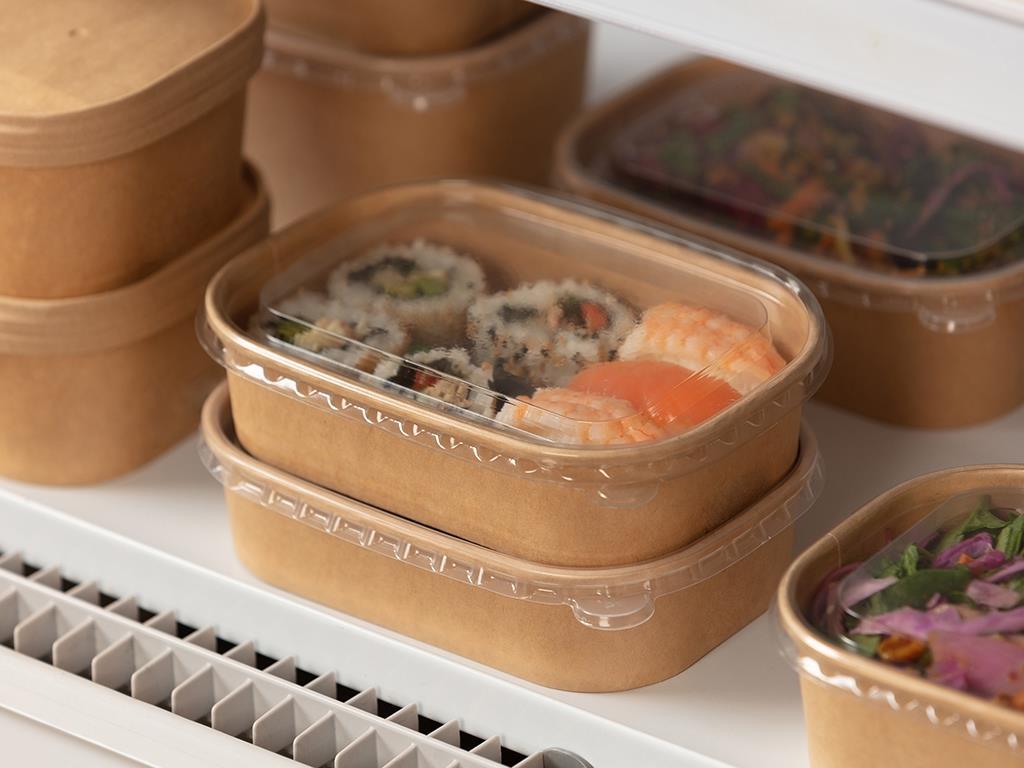
Colpac has extended its recyclable, food-contact Stagione range to include PE-coated pots and implement ovenability into its PP-coated packaging.
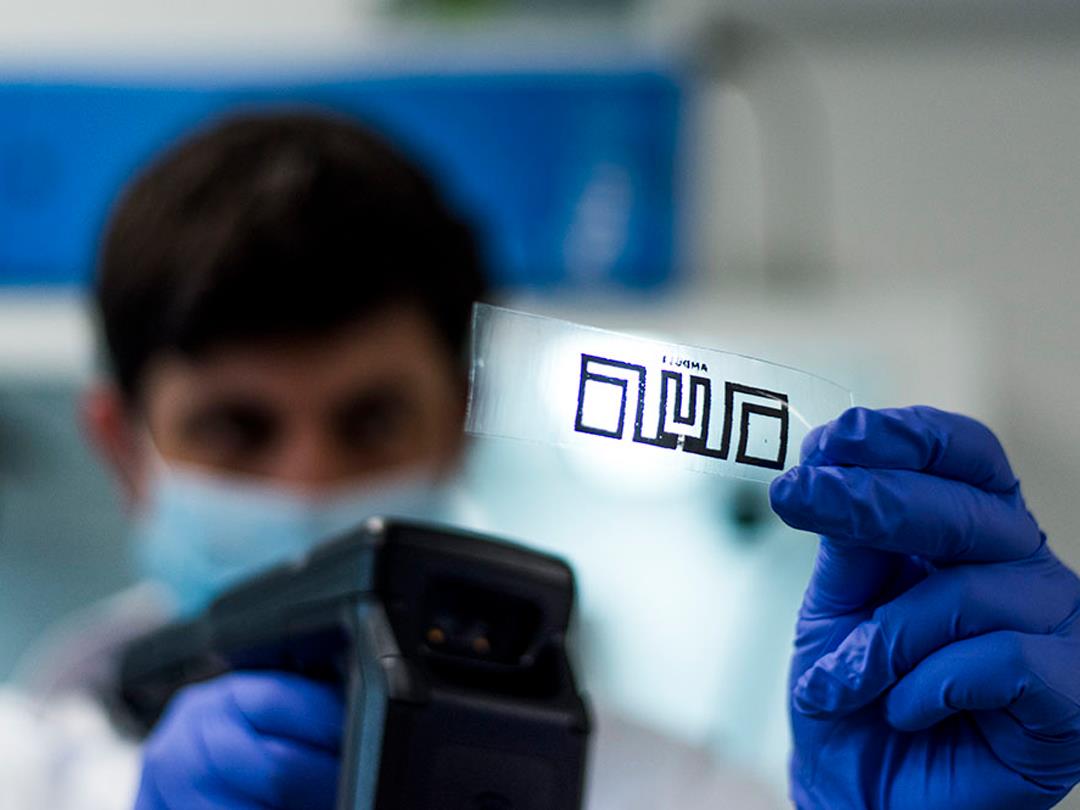
Advanced Material Development (AMD) is innovating a range of highly conductive nanocarbon-based inks to provide compostable alternatives to traditional metal-based UHF RFID technologies used in supply chains.
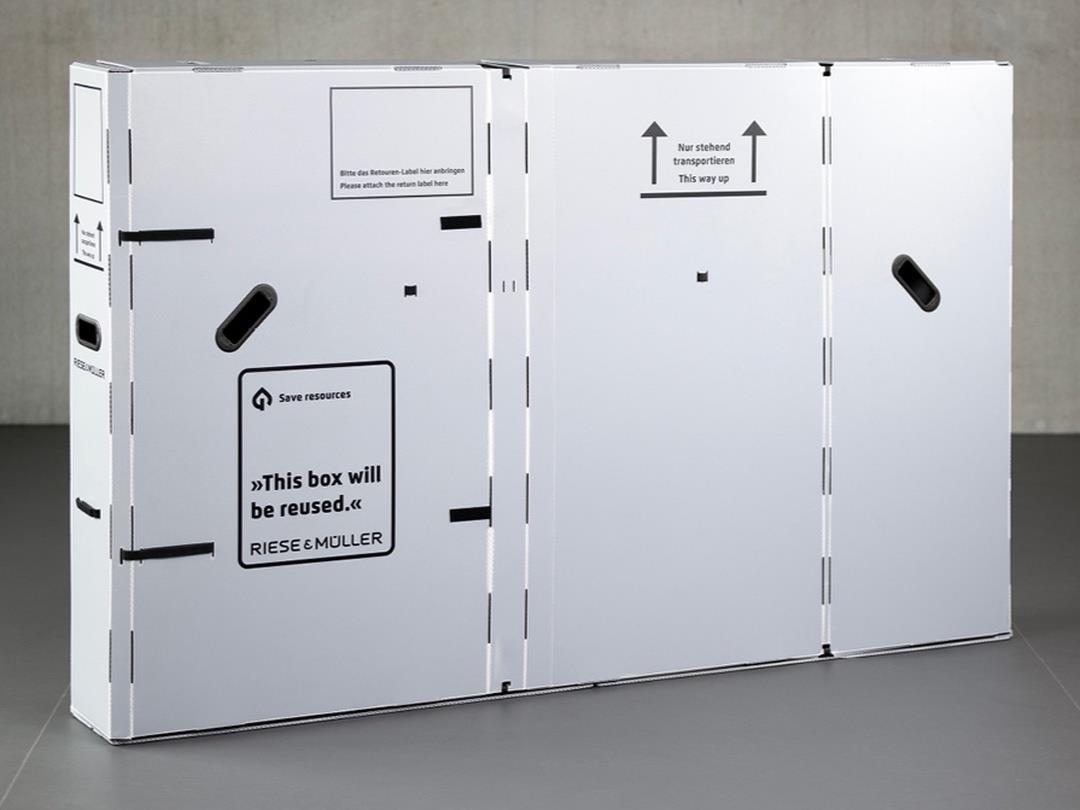
Rhinopaq and Circular Logistics have partnered with Riese & Müller to ship its e-bikes and small components in reusable plastic packaging – a move expected to reduce an initial 905 tonnes of cardboard waste every year.
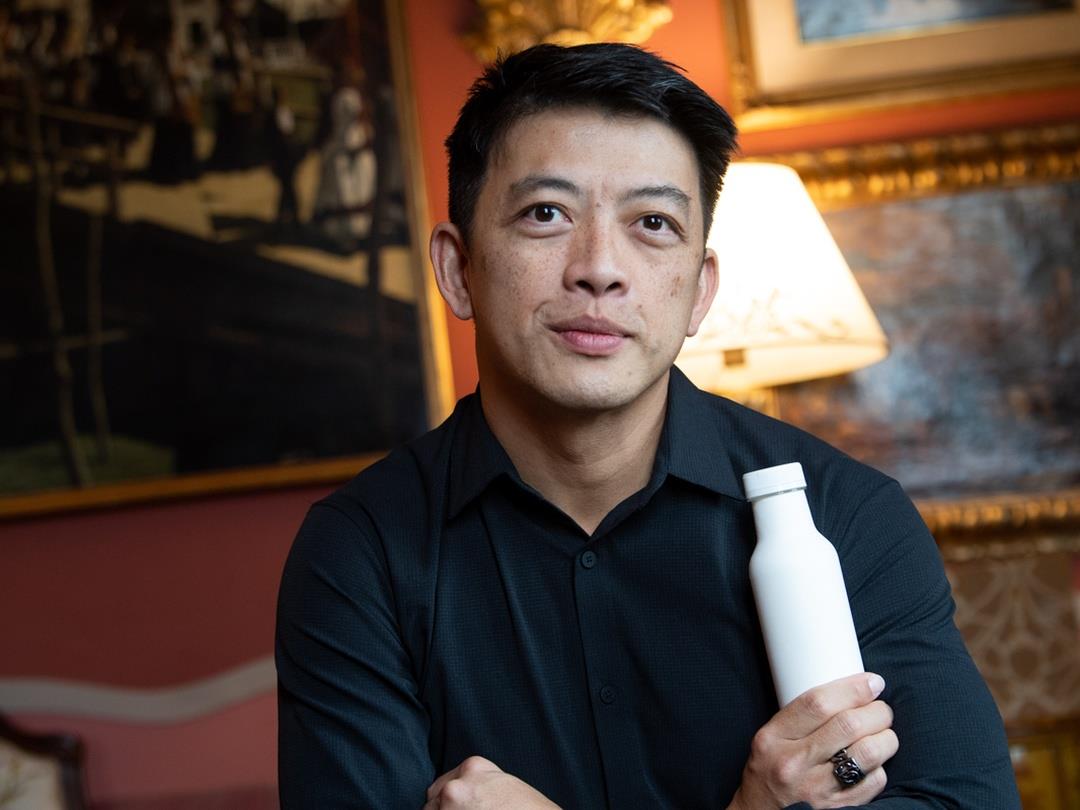
RyPax and CelluComp have unveiled what is said to be the first all-fibre bottle solution with a biodegradable and plant-based inner coating and hope to ‘crack the code’ on paper-based bottle packaging.

Berry Global’s flexible films division claims to have incorporated up to 30% post-consumer recycled material into its FormiFor insulation compression film, which aims to package insulation and glass and stone wool.
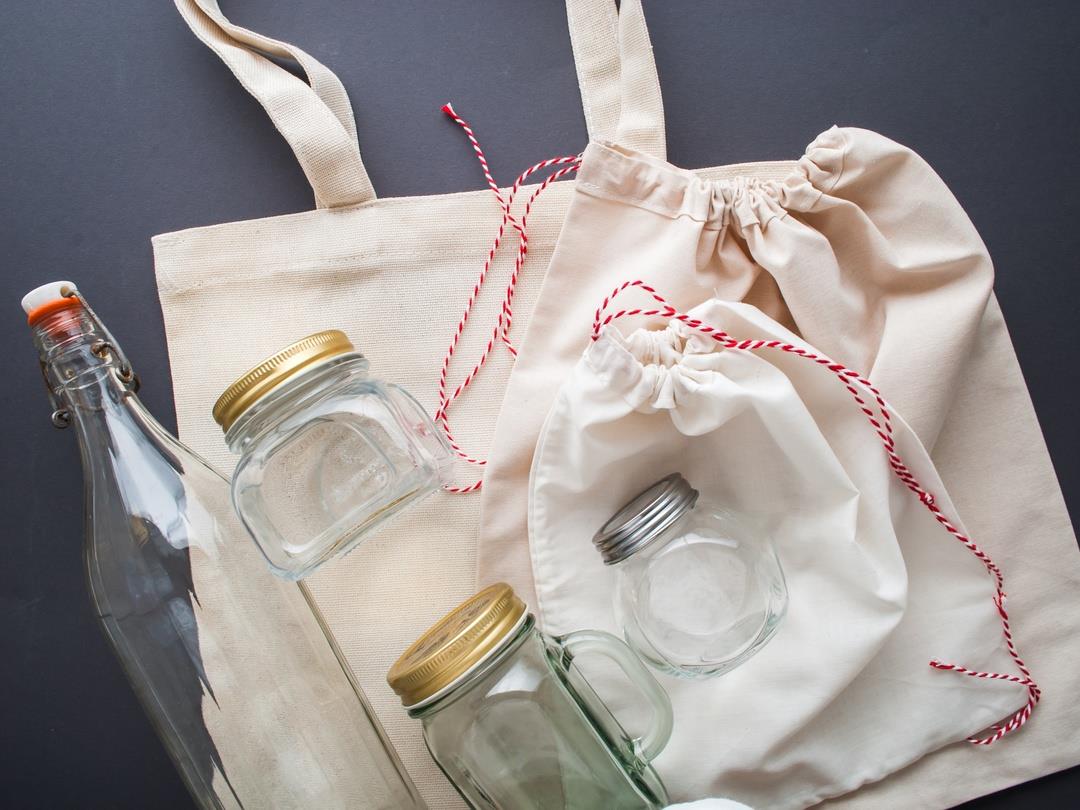
The Ellen MacArthur Foundation’s Plastics Initiative is collaborating with reuse partners and experts to model a vision for the future of scaled returnable packaging systems.
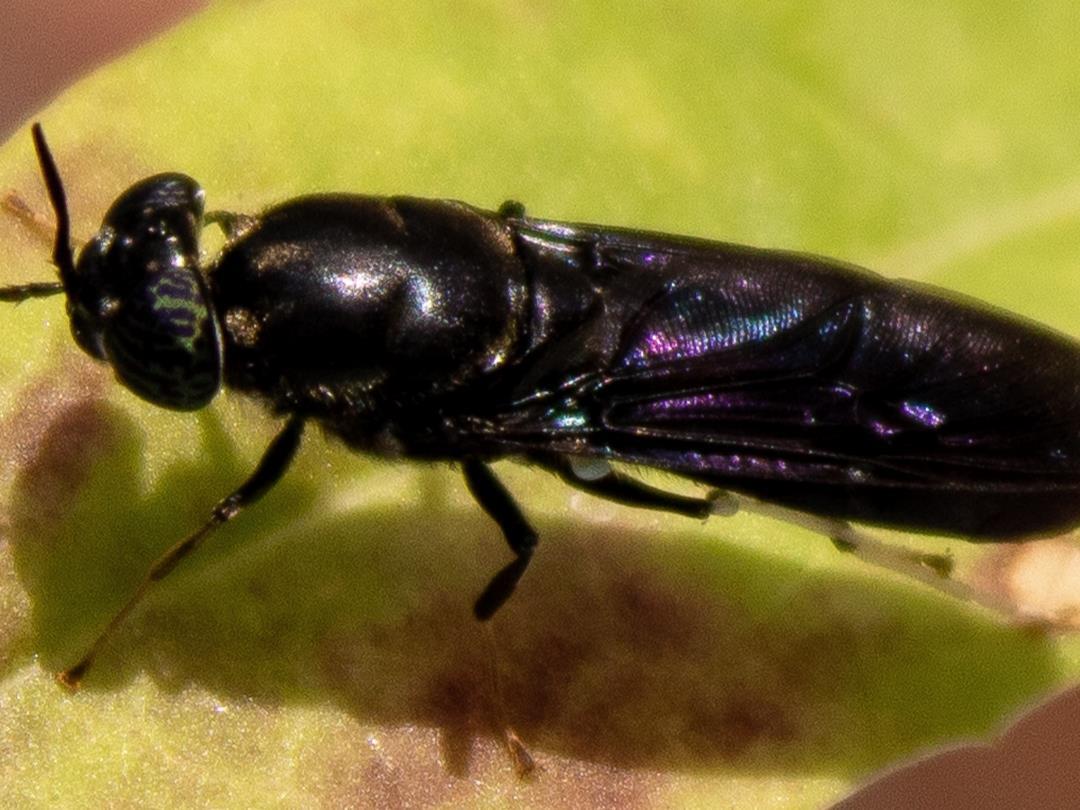
Researchers at Texas A&M University are extracting chitin from the carcasses of black soldier flies in an effort to produce degradable bioplastics while avoiding competition with other uses.
Life cycle analysis is an essential part of packaging sustainability – but different comparisons between materials and processes can often give conflicting – and confusing – results. How can our industry standardise LCAs, and what are some of the key emerging trends in the field? We learned more…
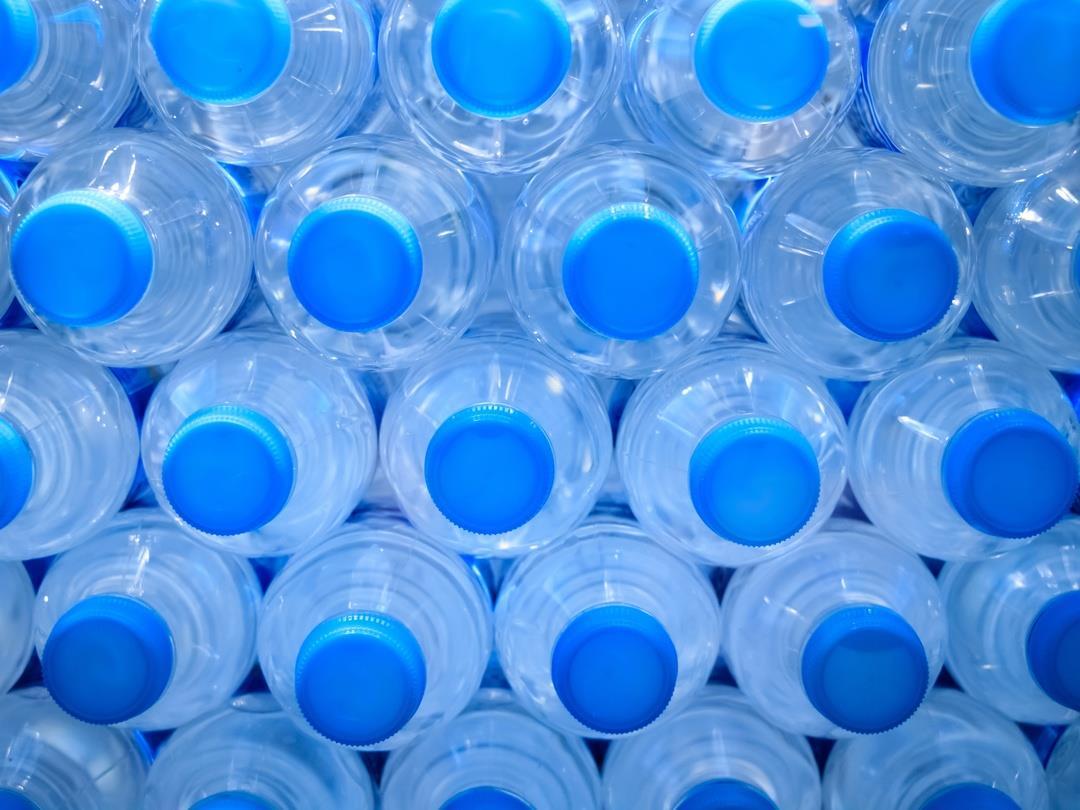
Mitsubishi Corporation, Suntory Holdings Limited, and ENEOS Corporation have agreed to build a supply chain for PET bottles derived from biomass using a mass balance approach – aiming for a low-carbon, fossil-free process for producing plastic.