
Siegwerk launches ink that also acts as oxygen barrier
Siegwerk has launched a new white printing ink that also provides an oxygen barrier – an innovation that aims to combine two layers into one.
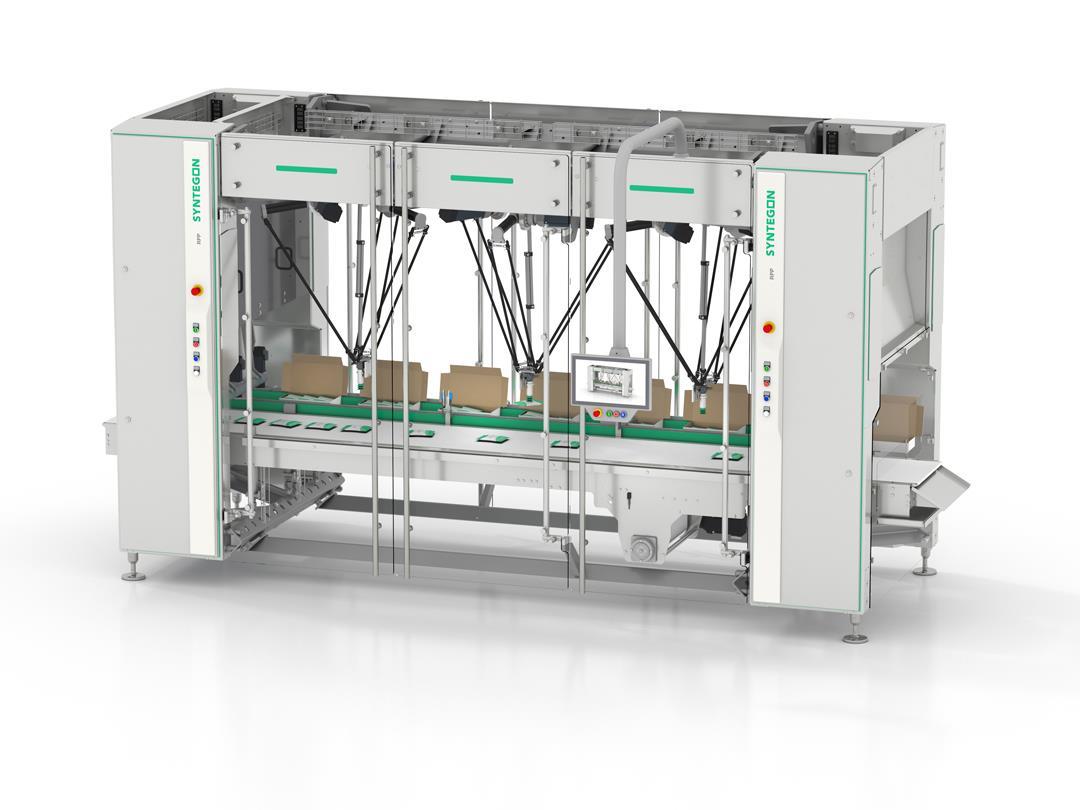
Syntegon has launched Syntegon RPP – a newly-developed robotic pick-and-place platform that the company says is set to revolutionise the automation of packaging lines.
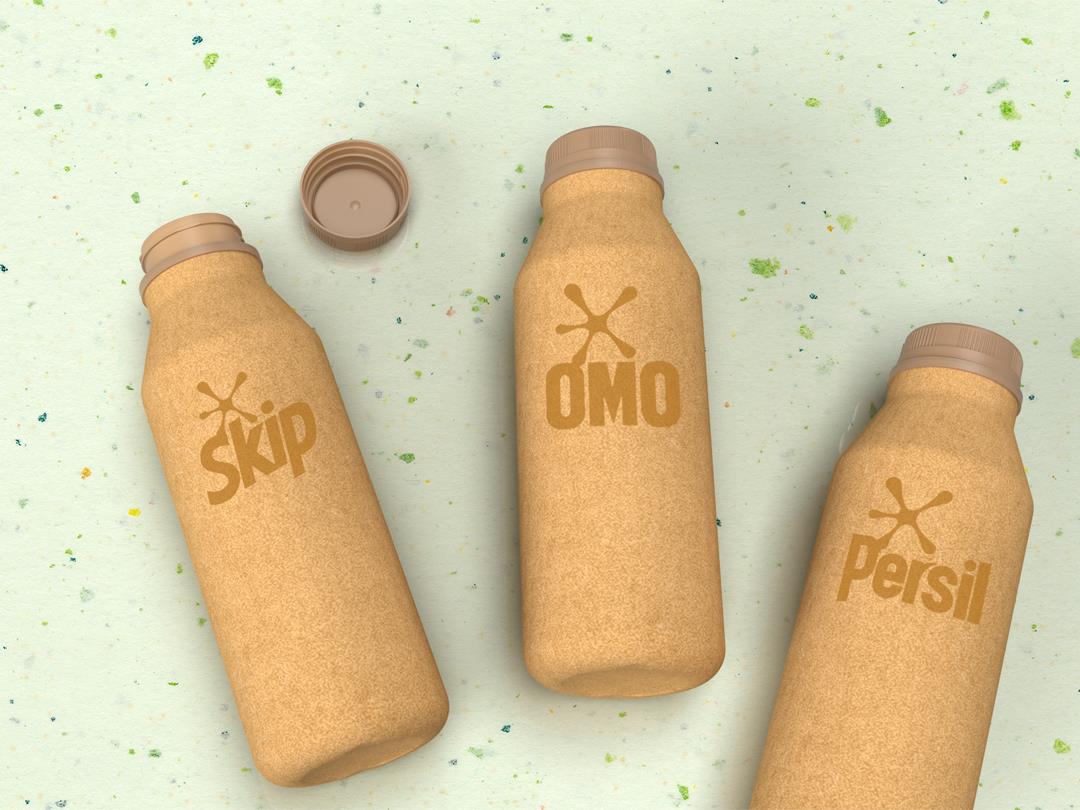
Unilever is set to launch what it says is the first-ever paper-based laundry detergent bottle.
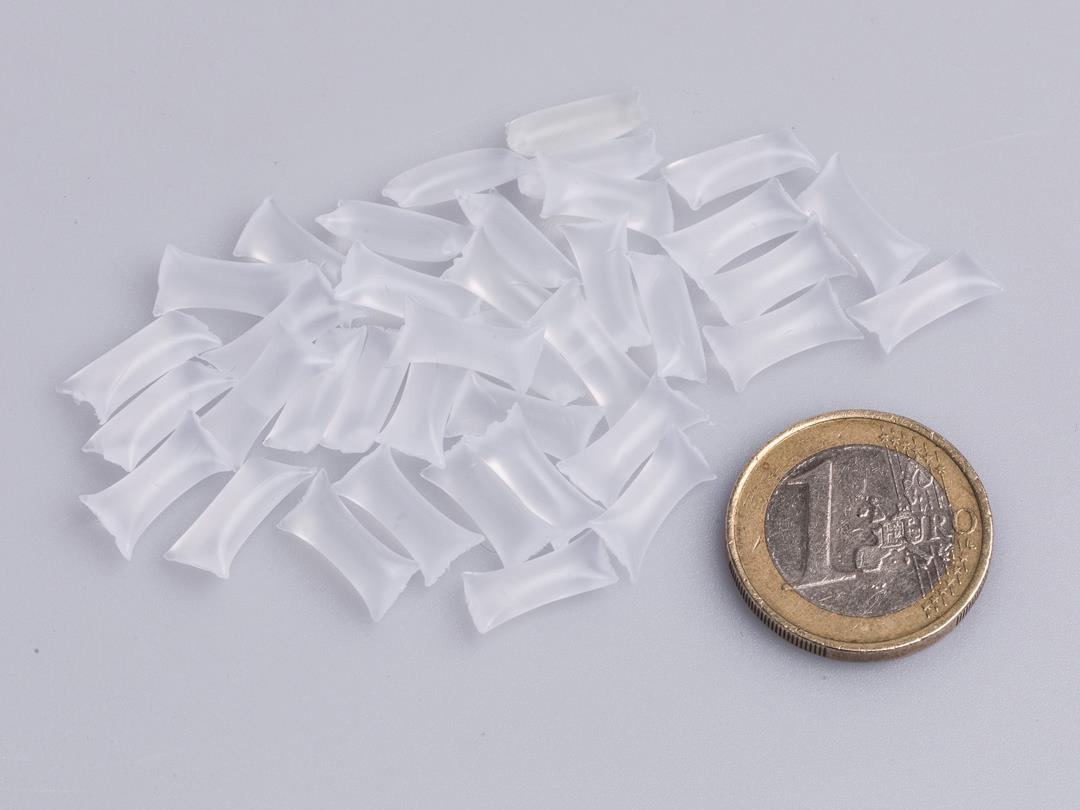
A new innovation from Henkel Adhesive Technologies seeks to reduce reliance on single-use plastic wrap and packaging materials when transporting goods on pallets.
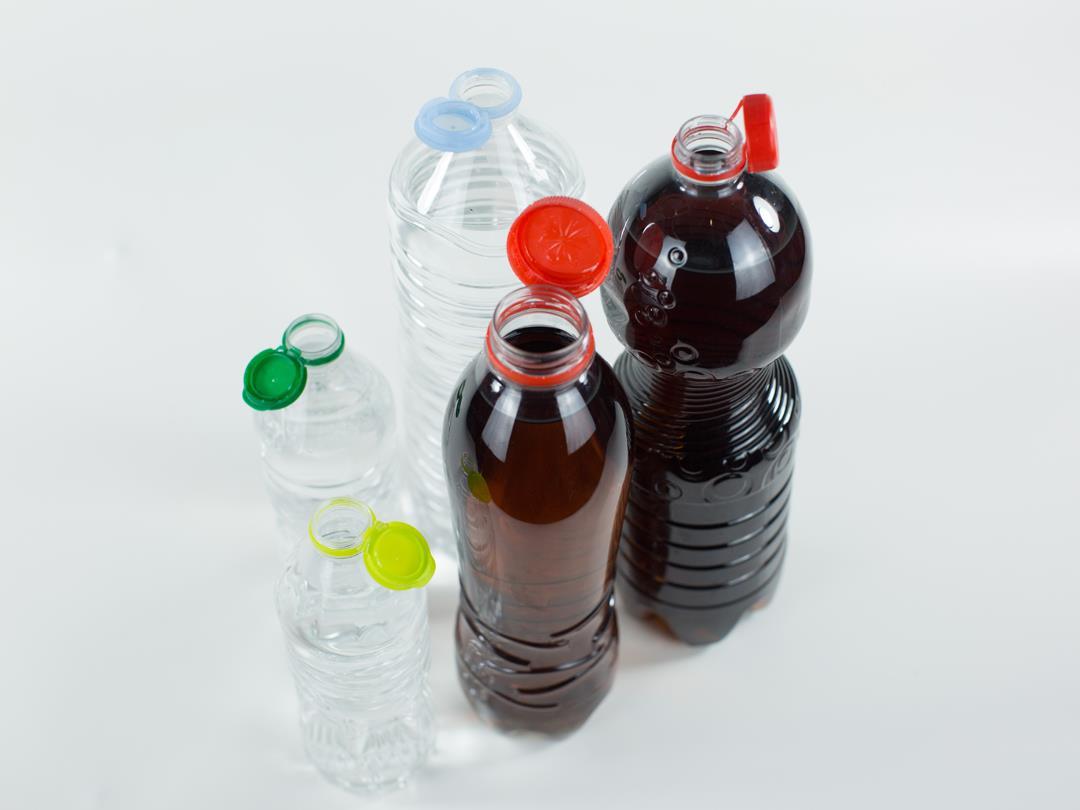
Sidel recently carried out a survey with the aim of getting a better understanding of consumers’ environmental perceptions, their requirements for closures in general, and their opinions about tethered caps.
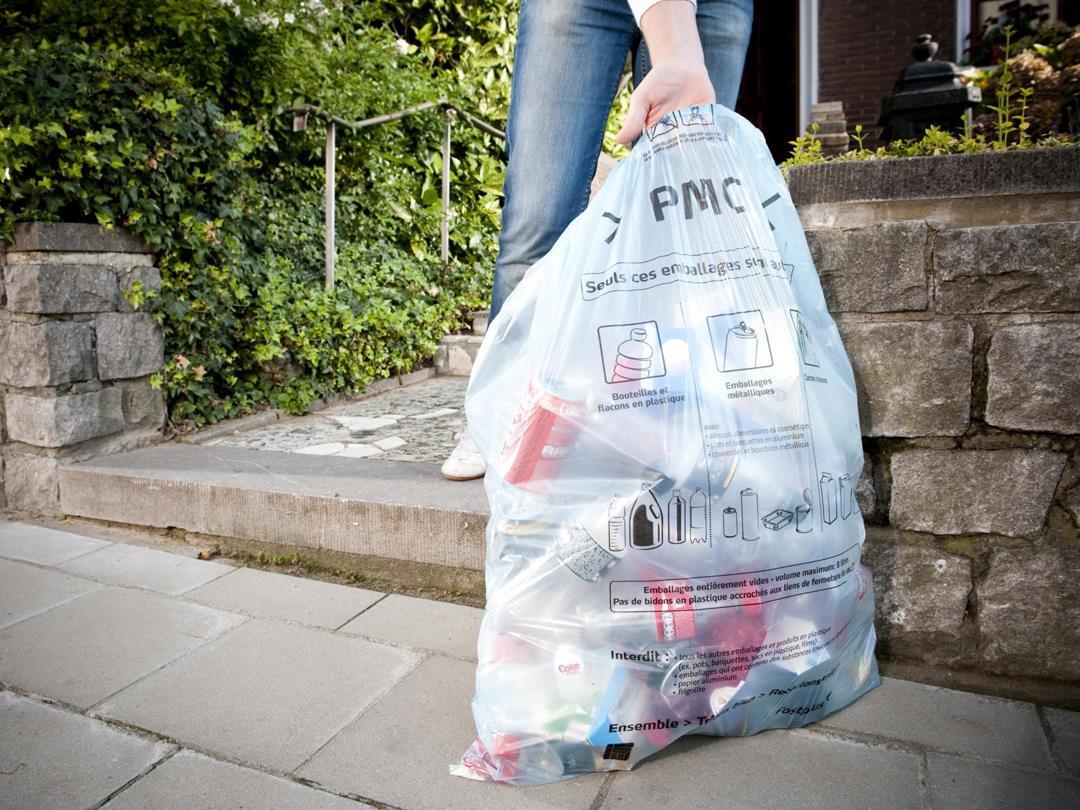
A collaboration of European companies, associations, and organisations representing the flexibles value chain have agreed a common position on the essentials for collecting flexible packaging waste in a circular economy.
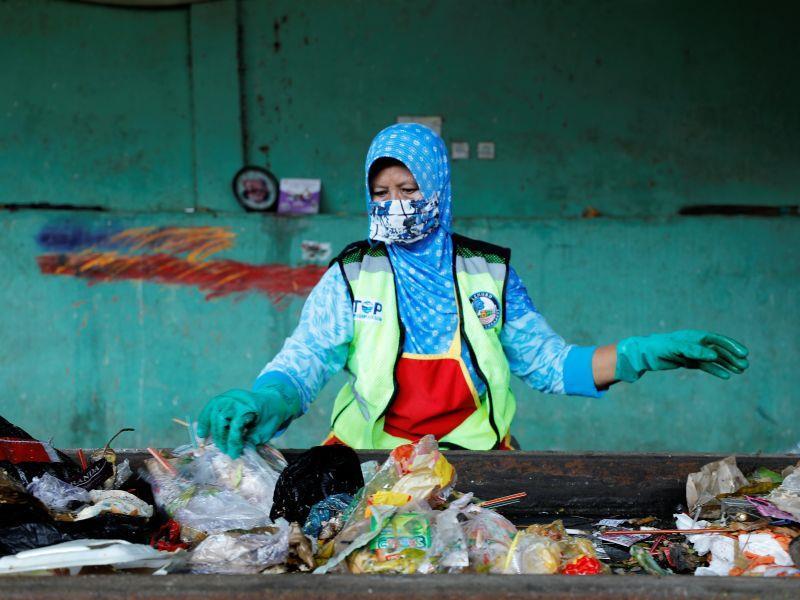
On World Ocean Day, Borealis announced a significant financial commitment to expand Project STOP, an initiative it co-founded with SYSTEMIQ in 2017 to prevent plastic waste from entering the world’s oceans.
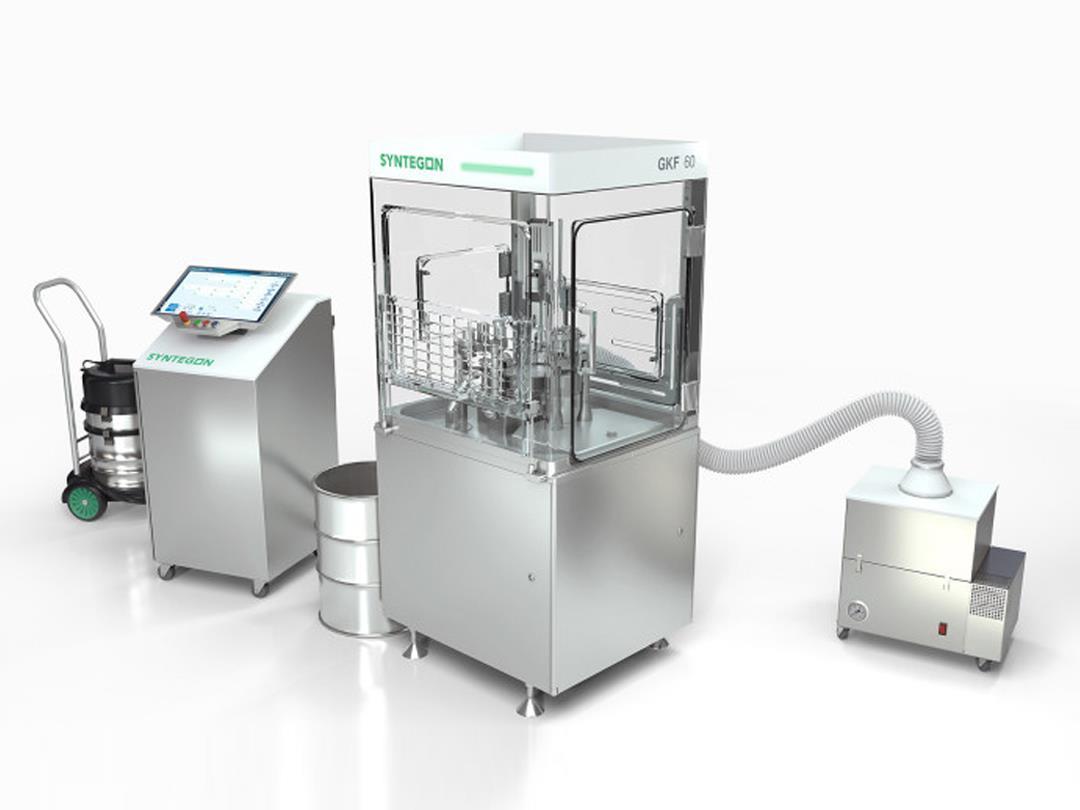
With the new GKF 60, Syntegon Technology hopes to set new standards in lab-scale capsule filling.
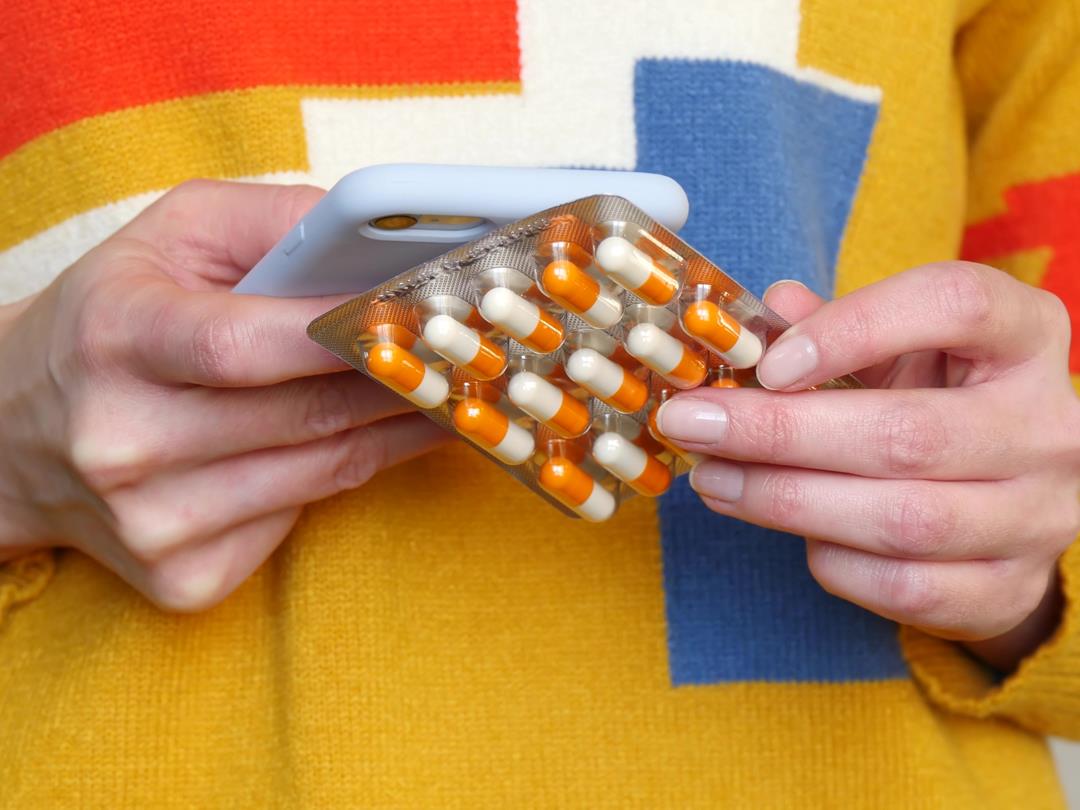
According to a new report from Smithers, brand protection, track and trace, and other anti-counterfeiting technologies in packaging are increasing in use, as economies across the globe adjust to a post-COVID world.
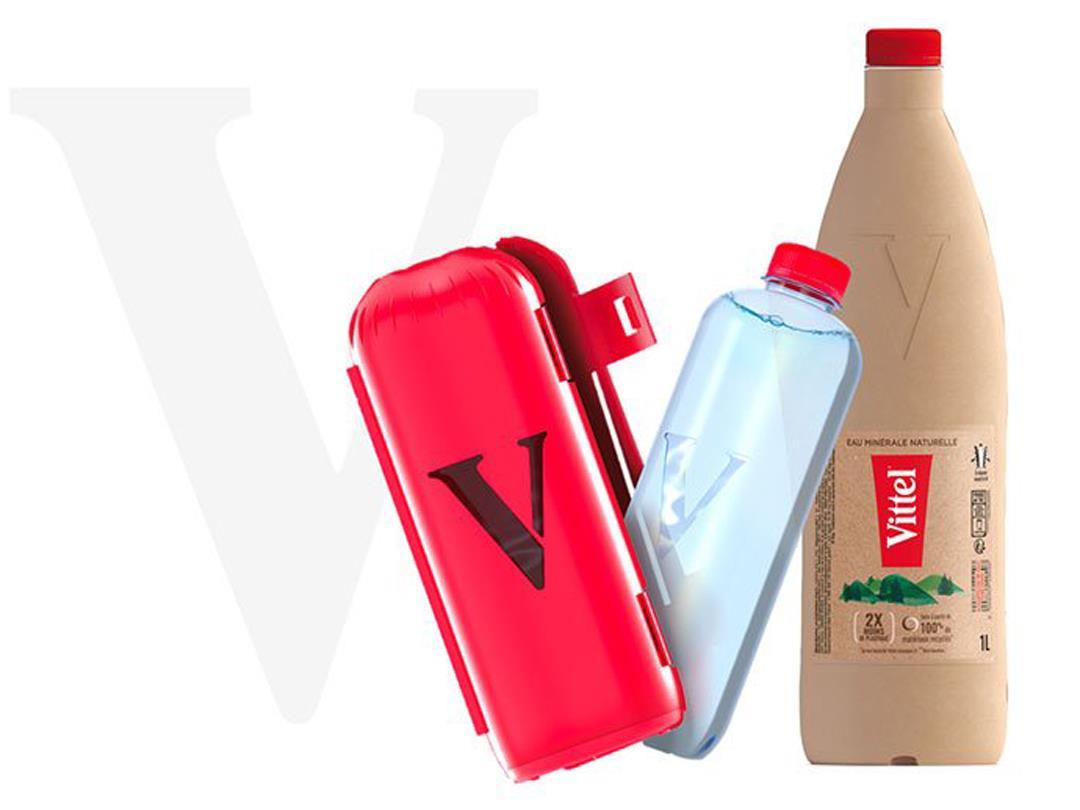
Nestlé has developed two new packaging innovations for its Vittel natural mineral water bottles with the goal of reducing its use of plastic while maintaining the functionality of traditional plastic bottles.
.jpg)
According to some statistics, up to a third of food produced for human consumption is lost or wasted. In our latest podcast episode, we take a closer look at the issue of food waste and role packaging can play to prevent it.
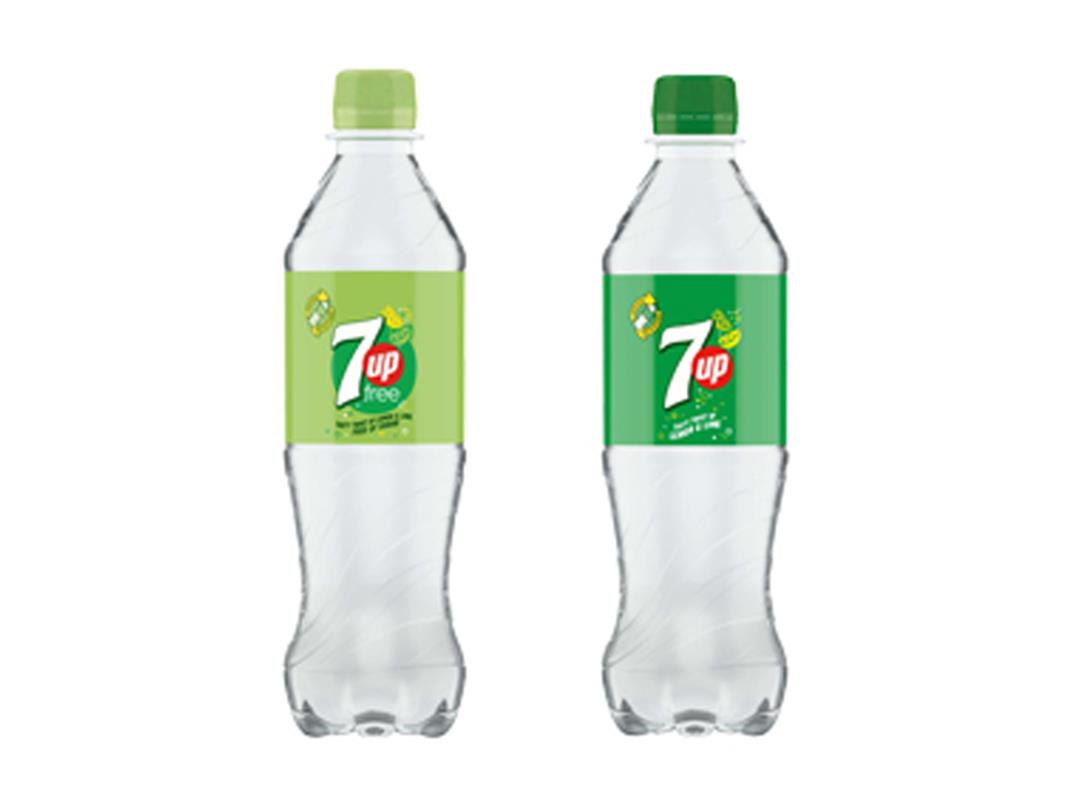
This summer, several 7UP bottles (375ml, 500ml & 600ml) will transition from their existing green colour to clear PET for the first time, with the aim of making them easier to recycle.
When building a zero waste and fully circular economy for plastics, advanced (chemical) recycling is regarded as a promising technology to provide virgin-like polymers made from waste to be used again in high-demanding applications