
Siegwerk launches ink that also acts as oxygen barrier
Siegwerk has launched a new white printing ink that also provides an oxygen barrier – an innovation that aims to combine two layers into one.
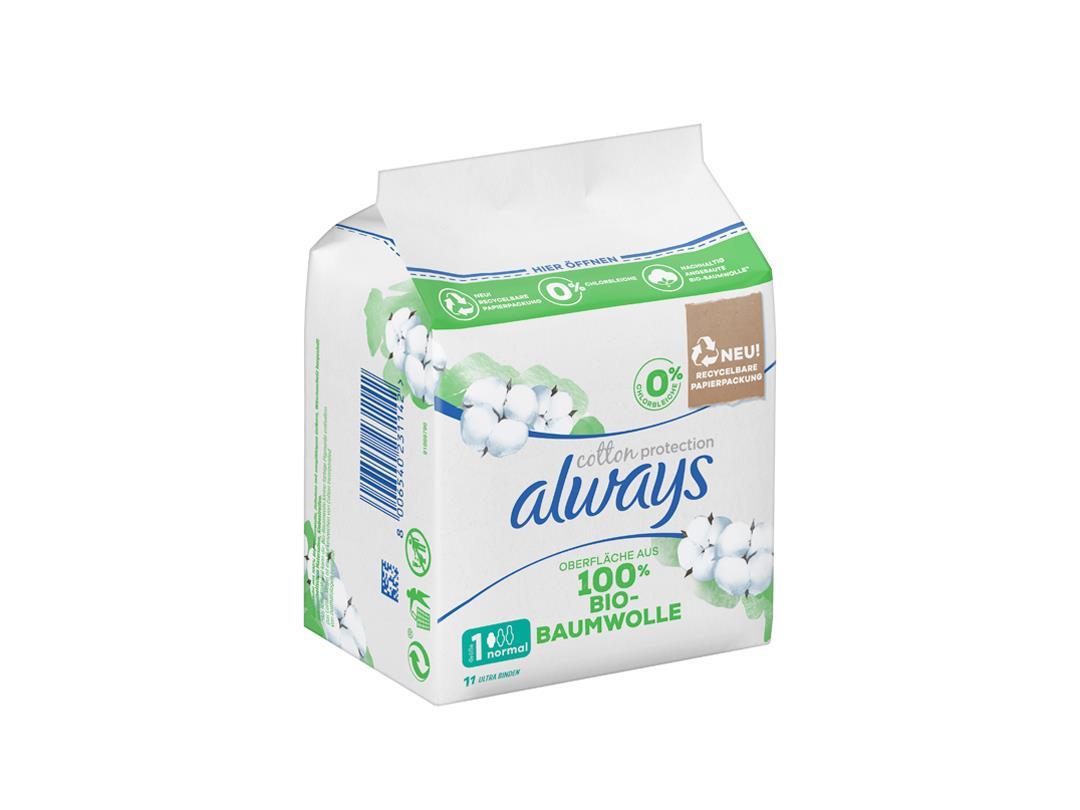
Procter and Gamble has announced that paper-based, FSC-certified, recyclable packaging for its Always Cotton Protection Pad Range has now been rolled out across Europe.
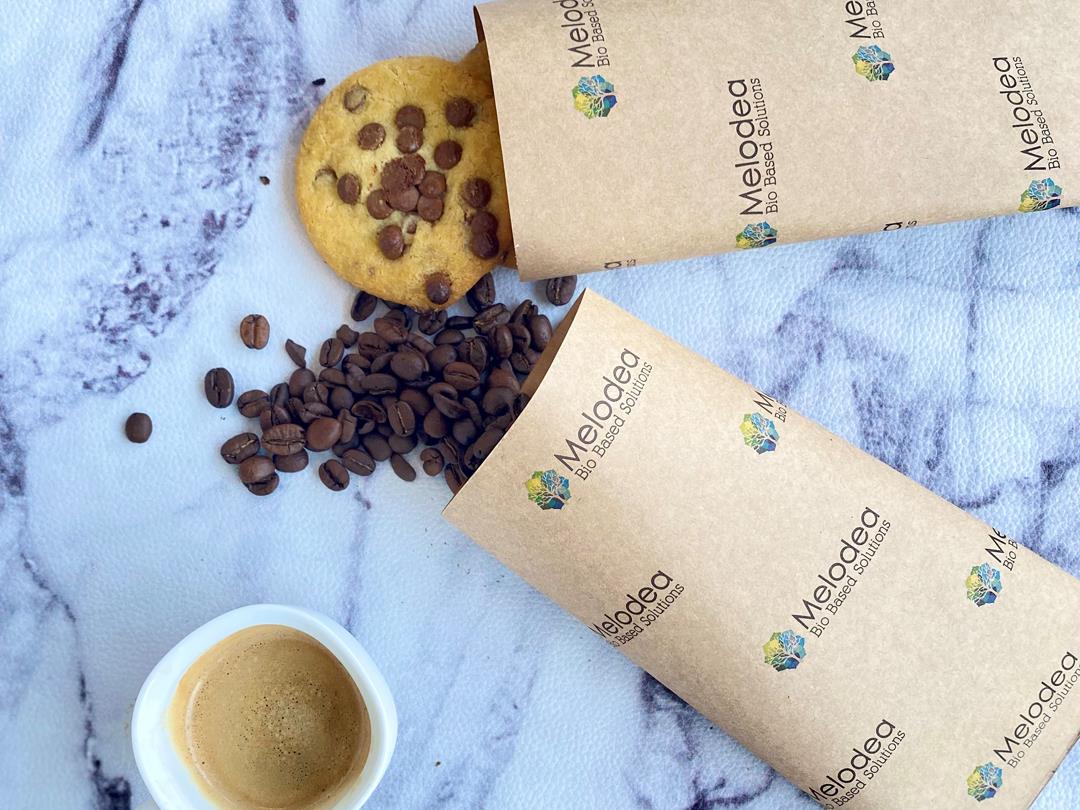
We do not usually cover straightforward barrier film developments in the AIPIA newsletter as there are many versions, and in our view, there is nothing particularly exceptional about packaging with barrier features. But Melodea, a new member of AIPIA, based in Israel, offers recyclable barrier…

Marks & Spencer (M&S) is launching a ‘Bring Your Own Bag’ click-and-collect initiative in a bid to phase out traditional plastic carriers in unnecessary circumstances and cut down on 10 million units of plastic every year.

What does sustainable packaging design really mean and how can it be implemented across the industry? Victoria Hattersley spoke to
What is the most efficient, most sustainable solution for the future of packaging print? According to Toray, the answer lies

CPG companies face many complex challenges when it comes to bringing their products to consumers. These range from the practical
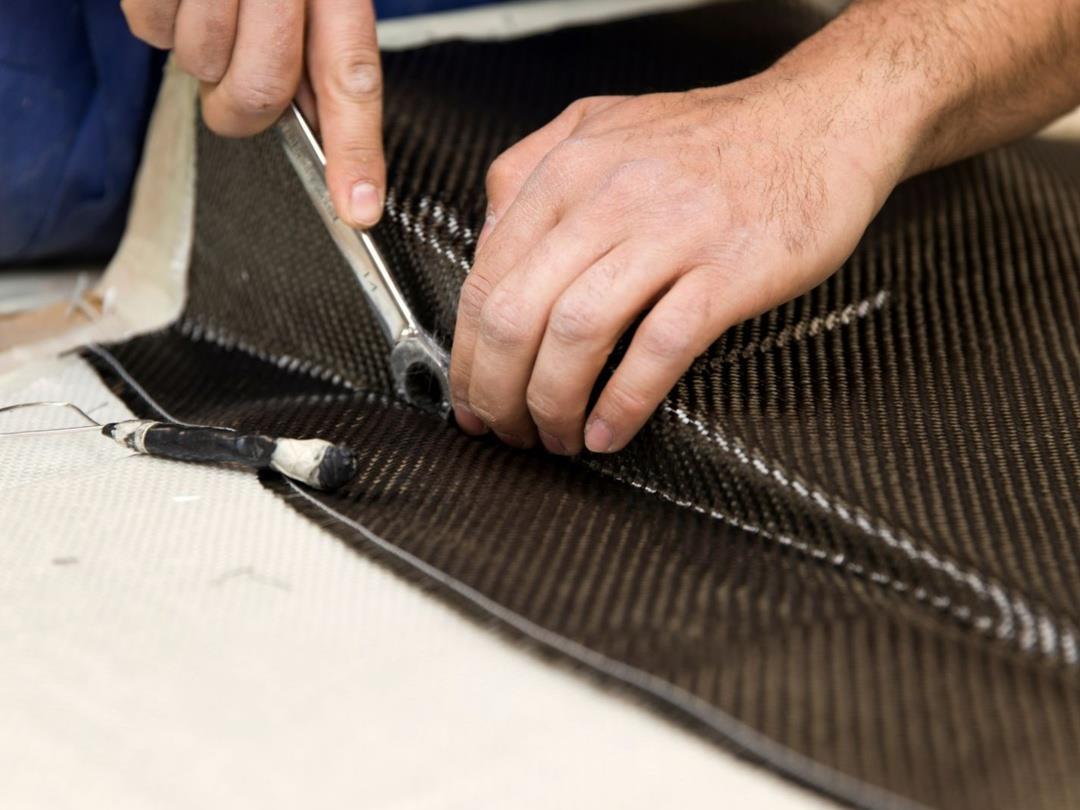
Gruppo Hera, Curti, and the Università di Bologna have developed a new technology to recycle carbon fibre into ‘virgin-quality’ materials and are set to build a new plant in an anticipated expansion of Aliplast’s plastic and packaging portfolio.
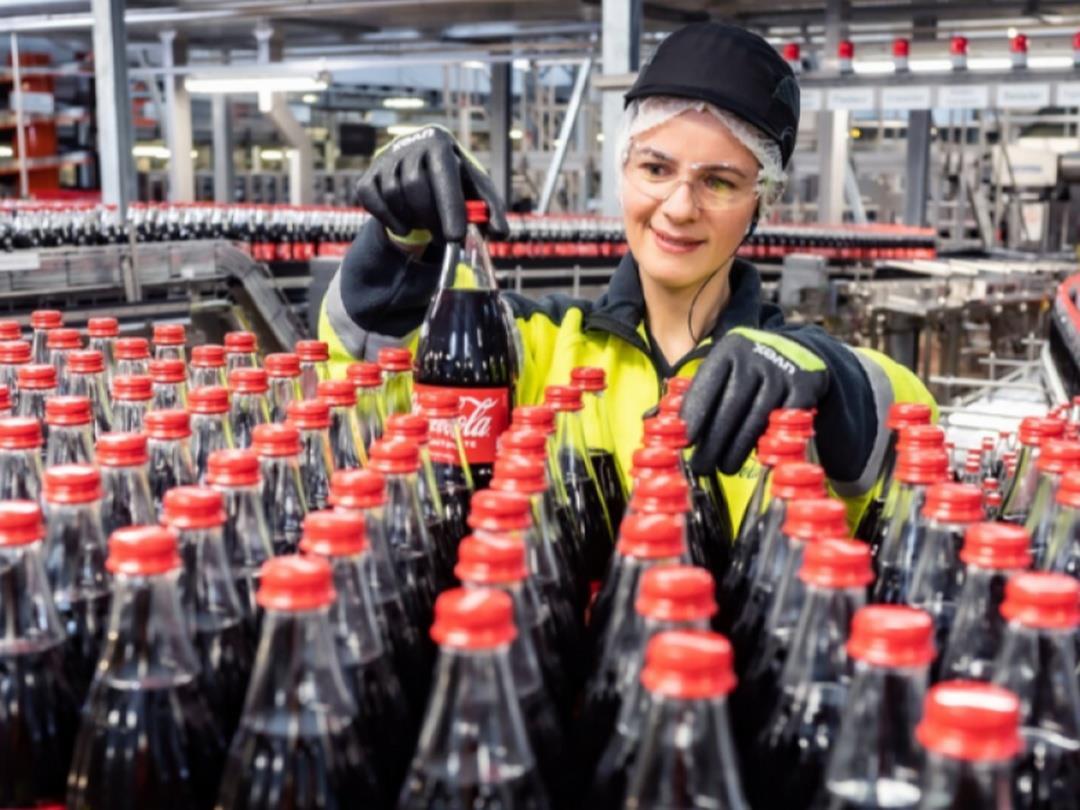
Coca-Cola Europacific Partners has invested over €40 million into its refillable bottling infrastructure in Germany – a move hoped to optimise the sustainability of its value chain and increase consumers’ access to drinks sold in returnable glass bottles.
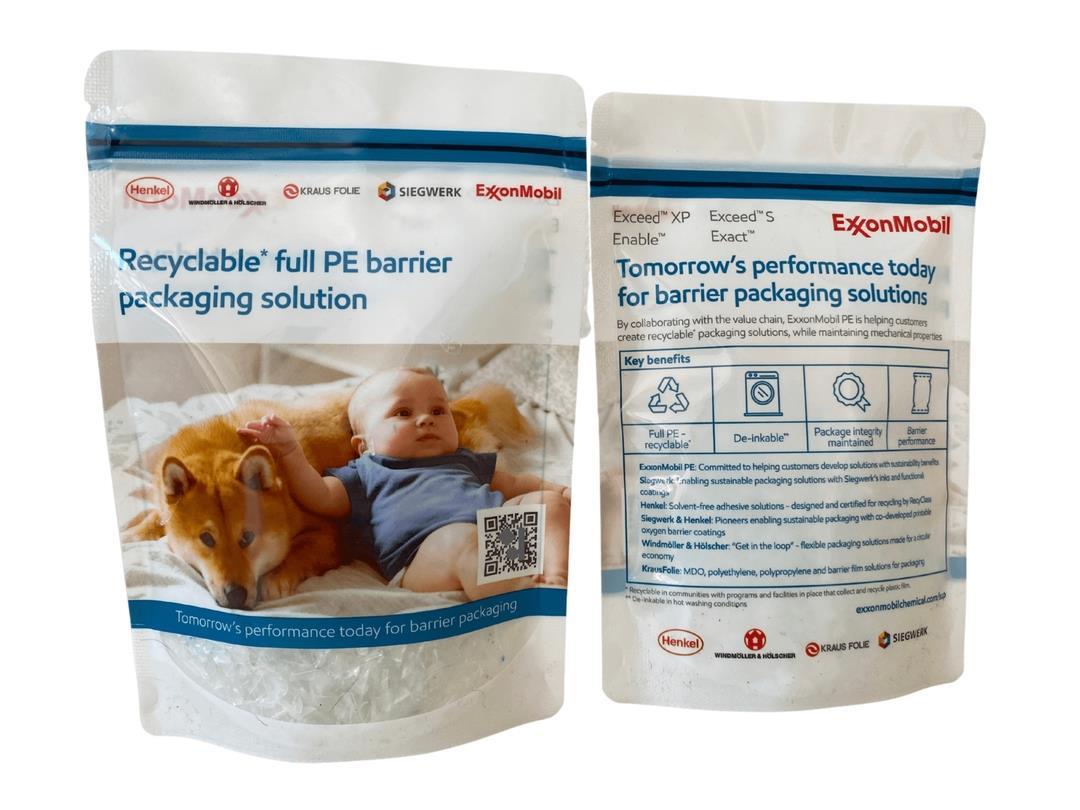
A value chain collaboration between ExxonMobil, Henkel, Kraus Folie, Siegwerk, and Windmöller & Hölscher has reportedly resulted in a fully recyclable, high-barrier PE pouch with similar properties to its multi-material laminated alternatives.

How close are brands to meeting their ambitious 2025 packaging sustainability targets? A sobering report from Gartner has suggested that up to 90% of these objectives won’t be met. So, why is this happening, and how can the industry avoid making the same mistakes in the future?
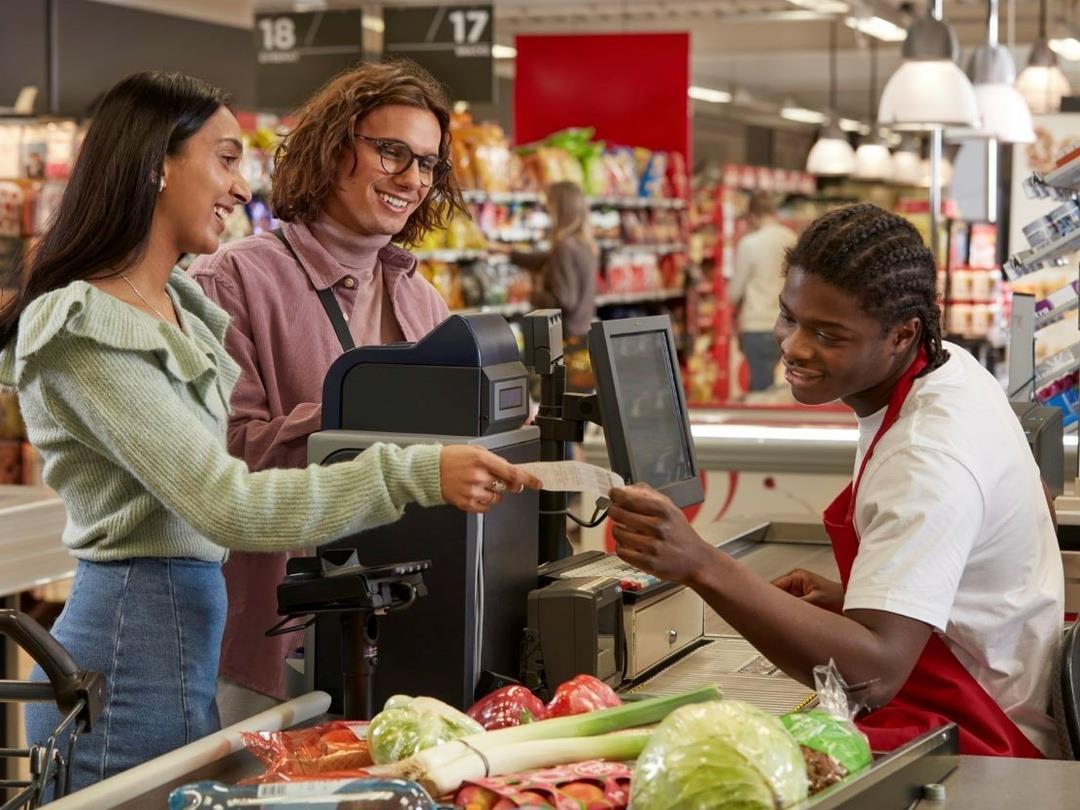
A new report from TOMRA has identified efficiency, environmental benefits, and financial incentives as the driving factors behind European consumers’ recycling habits, with functional reverse vending facilities named as the third most popular consideration when disposing of empty beverage packaging.

What are the key sustainability challenges in packaging, and in particular labelling this year? What does the new Packaging and Packaging Waste Revision mean for the sector? What are the implications for reuse and refill packaging models and downstream demands for innovations, including the…