
Siegwerk launches ink that also acts as oxygen barrier
Siegwerk has launched a new white printing ink that also provides an oxygen barrier – an innovation that aims to combine two layers into one.

As retailers around the country start to prepare for the seasonal scramble, Antalis Packaging is advising businesses to beware that when it comes to packaging, the majority of costs are hidden beneath the surface.
It’s official, when it comes to packaging, we have lost our senses. New research suggests that our sense of taste, smell and even feel is directly affected by the packaging a product comes in.
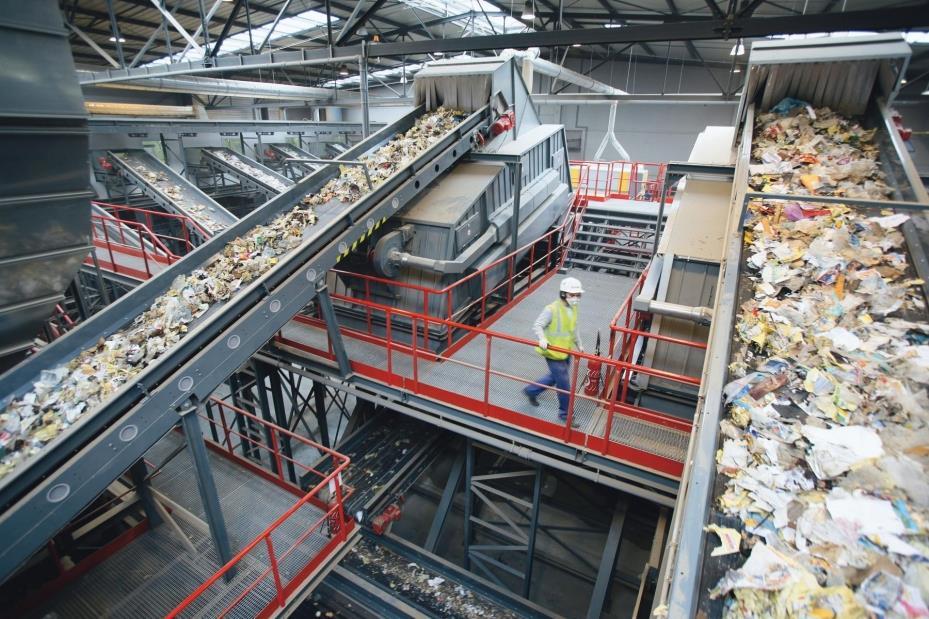
On 26th September at the PPMA Show Packaging Europe’s Tim Sykes will be chairing a session with Veolia’s Dr Forbes McDougall on sustainable food and drink packaging and the circular economy. The two caught up for an interview ahead of the show.

Fuelled by growing awareness of social needs around the world, consumers’ desire to give back is at an all-time high. Pack design can play an important role.
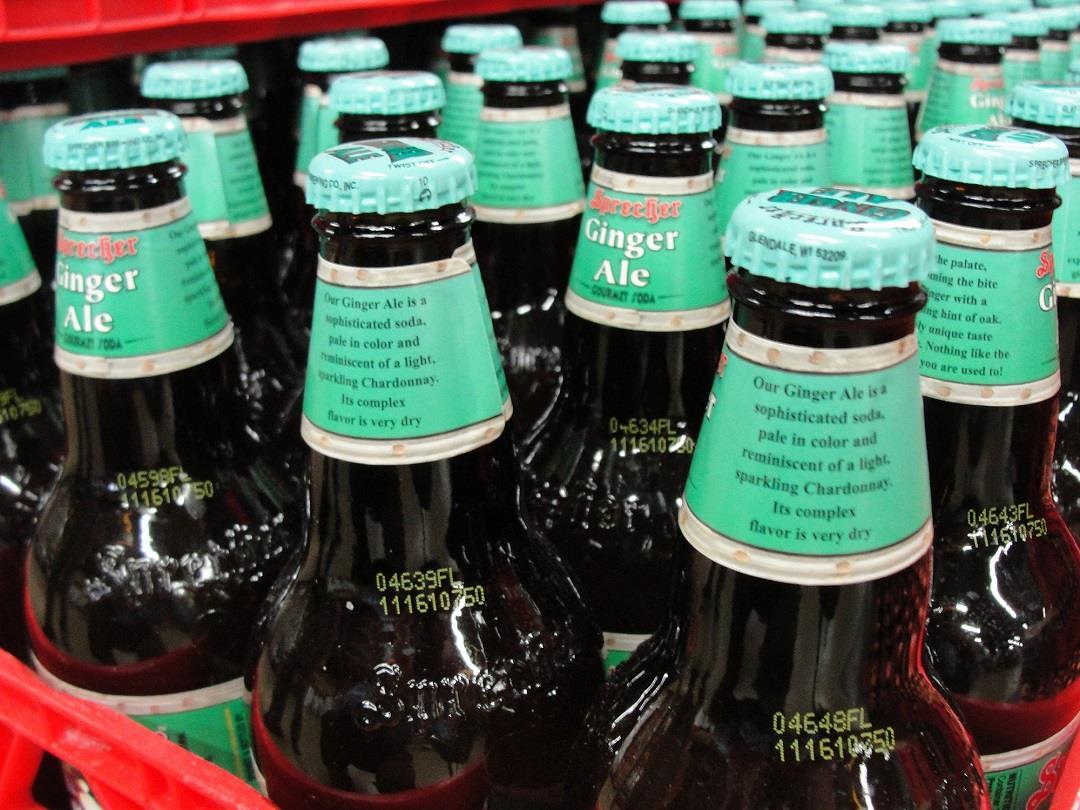
Sherry Washburn, Business Unit Manager – Supplies, at Videojet, looks at pigmented inks, their composition and how they play a crucial role in the food and beverage industry.
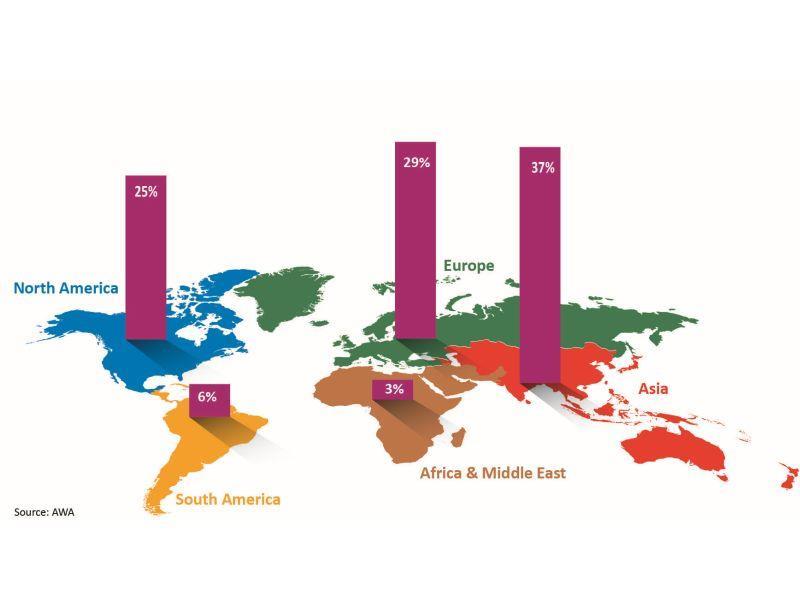
Are pressure-sensitive labels being challenged today by the up-and-coming product decoration technologies?

Steve Twydell, CEO of 3T Logistics, explains the impact of advances in technology brought about by the fourth industrial revolution on packaging logistics.

Over the past several years, quality requirements, especially with respect to particle contamination, have increased significantly.
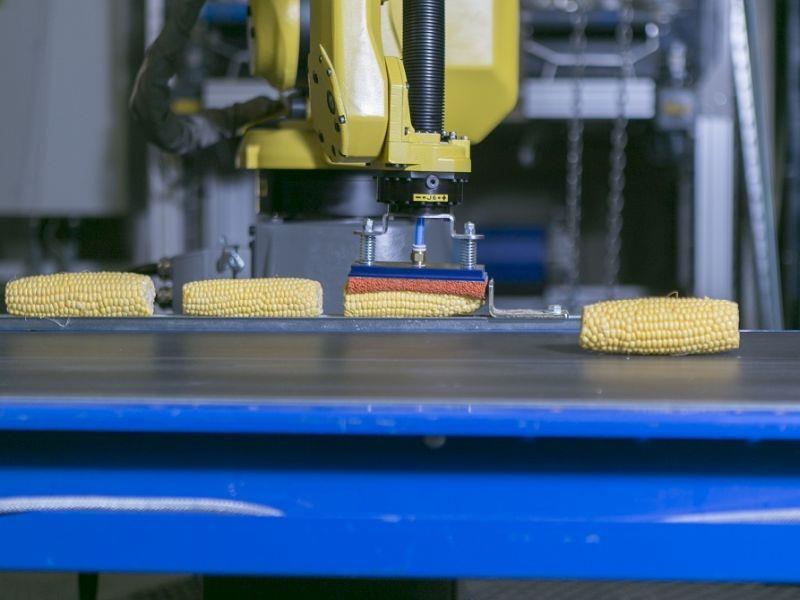
Production and packing lines will stop working for any number of reasons, but the default assumption will often be that a robotic malfunction is to blame.
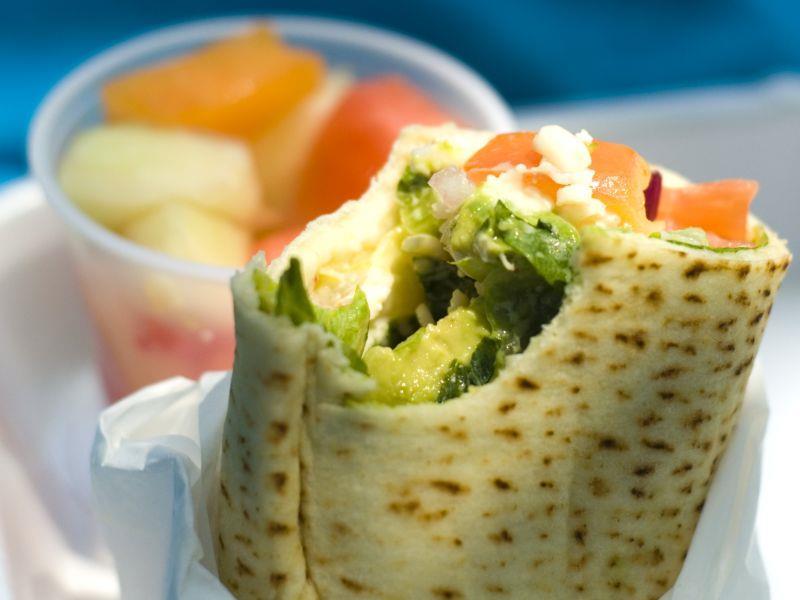
Britain’s appetite for food-on-the-go (FOTG) looks set to continue, with greater product innovations, clean and healthy eating, ethnic foods and artisan local produce driving consumers away from the daily sliced bread sandwich ritual.

Labeling can be challenging and today’s medical device manufacturers are faced with a range of evolving requirements and regulations such as UDI, that complicate the process.
When a PET container is to undergo hot filling or post-filling pasteurization, special processing known as heat-setting is required to change the molecular arrangement of the material and provide the required heat resistance.