
Siegwerk launches ink that also acts as oxygen barrier
Siegwerk has launched a new white printing ink that also provides an oxygen barrier – an innovation that aims to combine two layers into one.

Anthem Benelux takes a look at a selection of brands who it deems worthy of hero status as warriors for good.
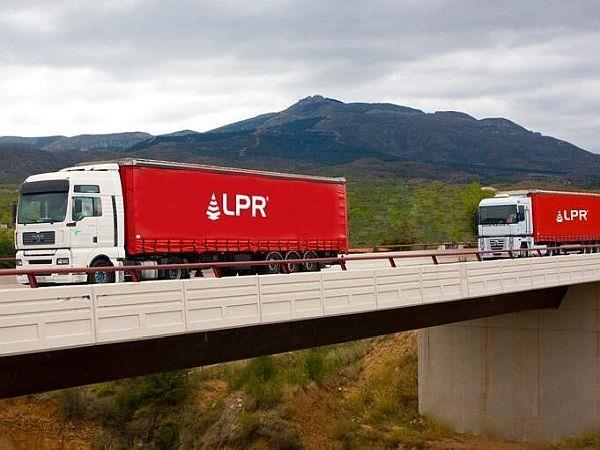
As the problems recently suffered by KFC and DHL have highlighted, changing key suppliers can be a risky business. Joe Hebblewhite from LPR (La Palette Rouge), a specialist pallet pooling company, offers some advice on getting it right.
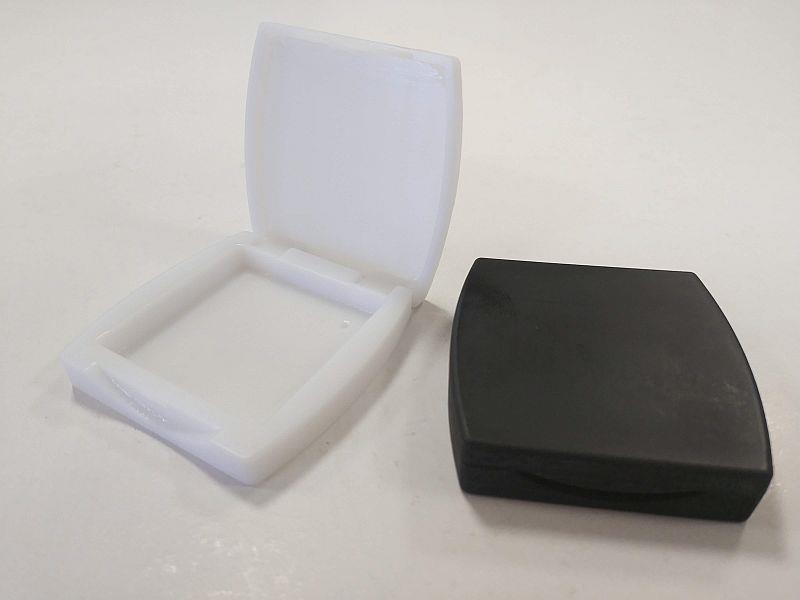
Michael Norkitis, project manager at 3D Systems, talks about the possibilities and benefits of 3D printing in packaging, and the technology's sustainability benefits.
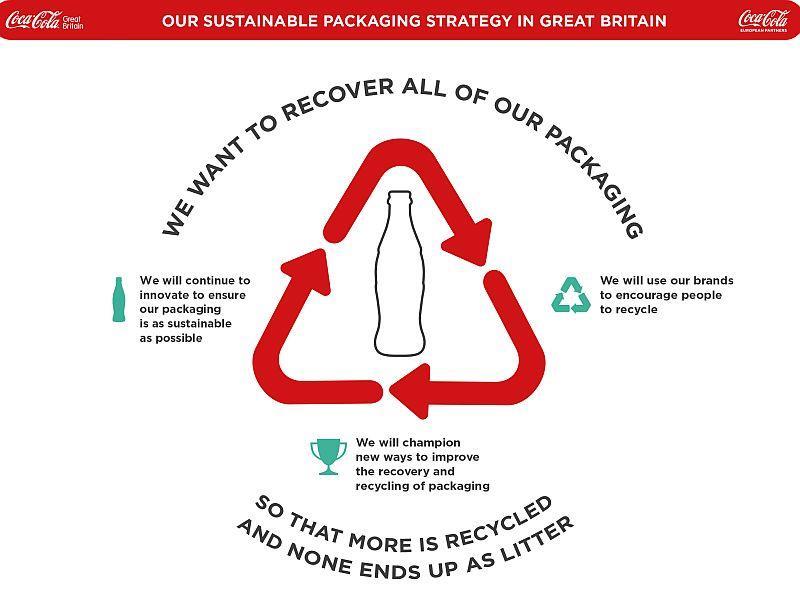
One year ago, Coca-Cola European Partners (CCEP) and Coca-Cola GB (CCGB) presented their Sustainable Packaging Strategy. Elisabeth Skoda finds out from CCEP’s Head of Sustainability, Nick Brown, if the company is on track.
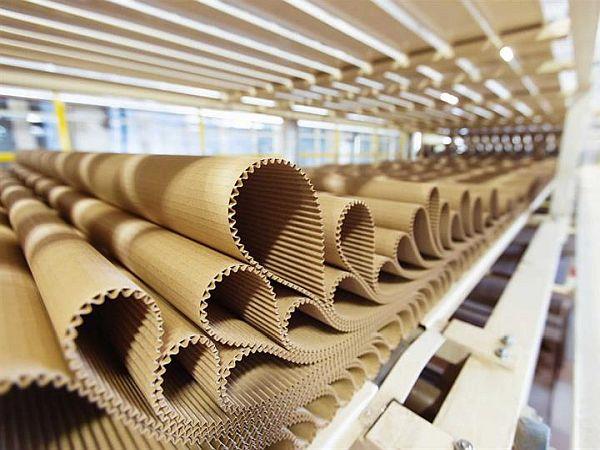
More and more people are getting their information from the Internet instead of printed newspapers, magazines and brochures; increasingly, they are also ordering products online.

For processors, one of the most promising industrial internet of things (IIoT) tools is the vision system. Combining a 3D camera with vision software and a robot arm enables facilities to automate bin picking.
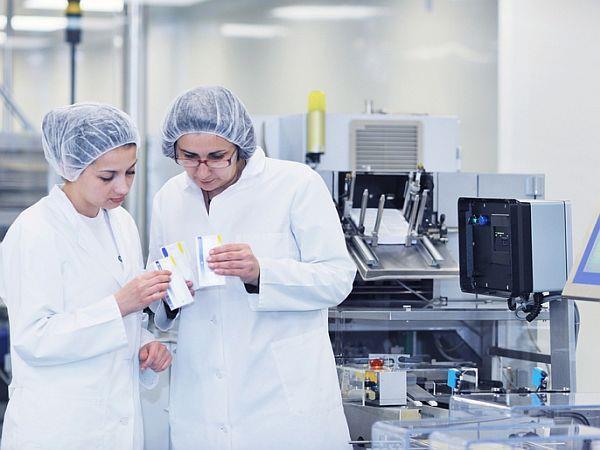
Thierry Protas, Global Pharma Director at Videojet Technologies, looks at the importance of the Drug Supply Chain Security Act (DSCSA) legislation, the looming 2018 cut off point for compliance, and how coding and marking is a key consideration.

Increasing urbanization, smaller household sizes and an ageing population are fundamentally changing the expectations for food and pharmaceutical packaging.

Eric Schultz, VP, Business Development, SGK explains how connected experience design is changing the packaging landscape and how it can enhance your packaging strategy.

Every year, the world wastes an incredible amount of food — 2.9 trillion pounds to be exact, according to figures published by the United Nations.

Companies use a host of tools and processes such as quality control checks and returns tracking reports to keep damage rates at “acceptable” levels, which is usually two to eight percent. Oftentimes, damage is just written off as a loss.
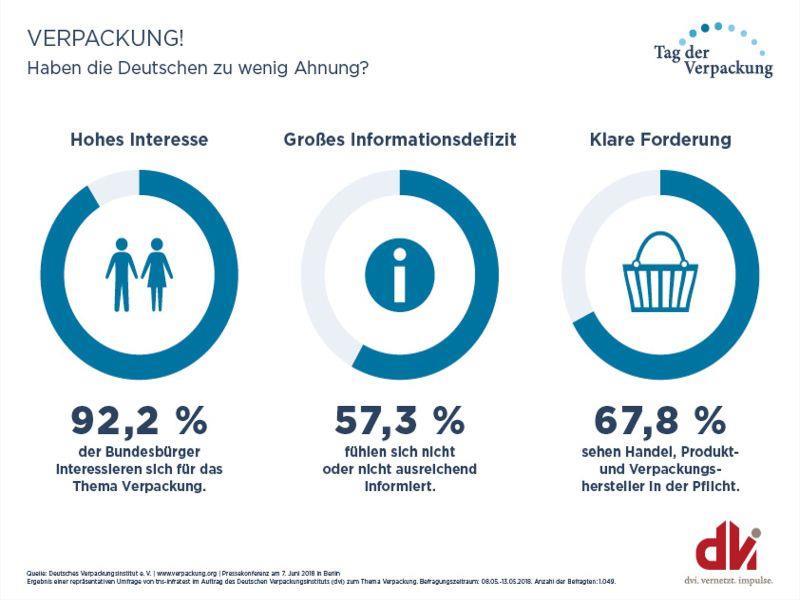
According to a recent survey, the majority of Germans feels unable to objectively judge packaging and feels that there is a lack of information.