
Siegwerk launches ink that also acts as oxygen barrier
Siegwerk has launched a new white printing ink that also provides an oxygen barrier – an innovation that aims to combine two layers into one.
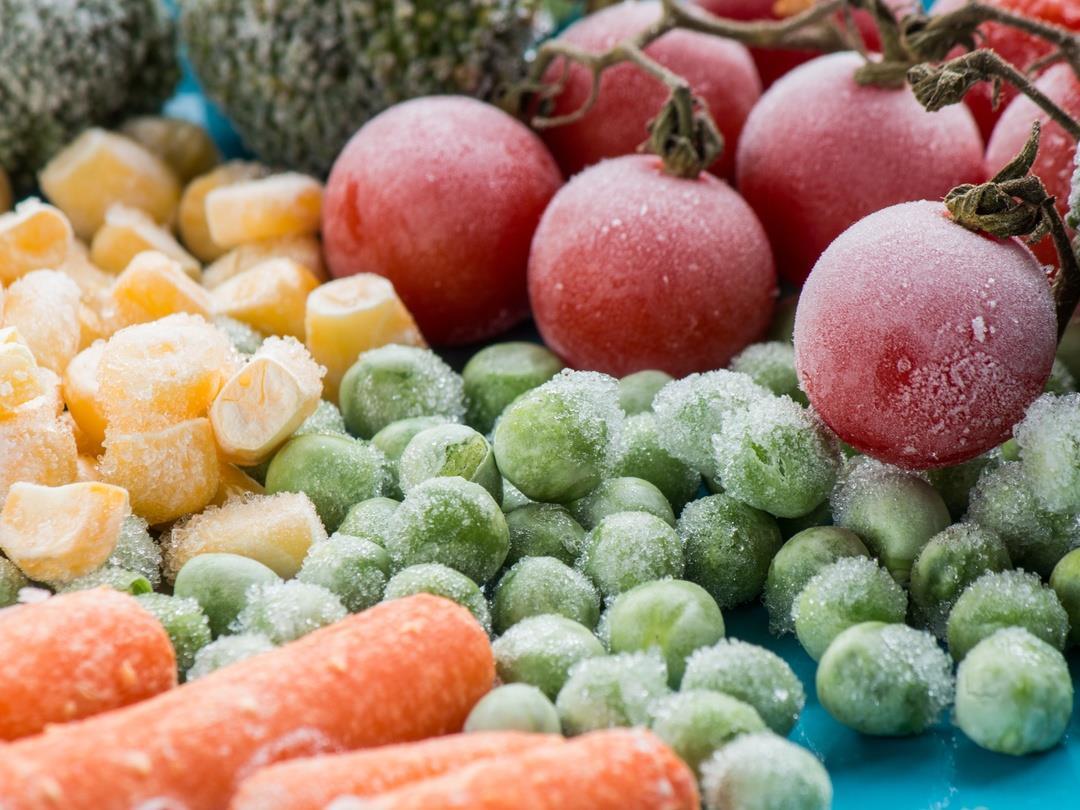
Ahlstrom and The Paper People have jointly developed and launched a new line of fibre-based, certified-recyclable packaging for frozen food applications in the hopes of replacing traditional, fossil-based plastic and films.
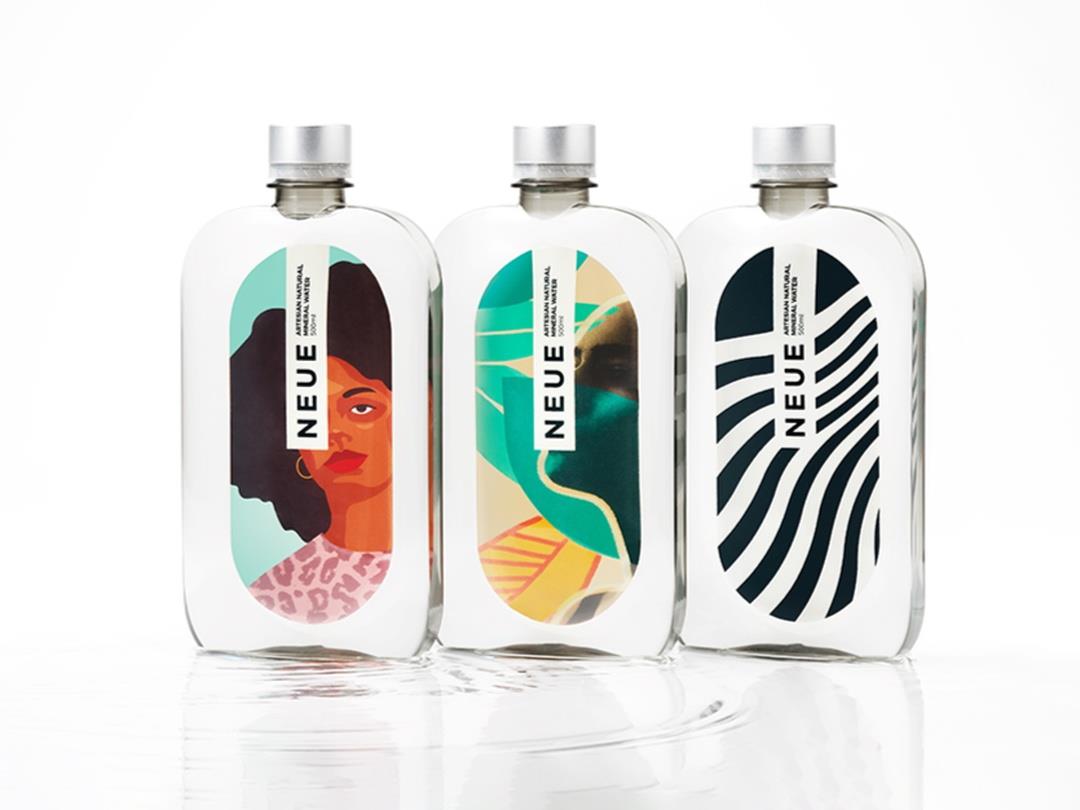
Berry is packaging NEUE Water’s luxury artesian mineral water in what is described as a 100% recycled PET bottle, with its flat body said to be made entirely from recycled content.
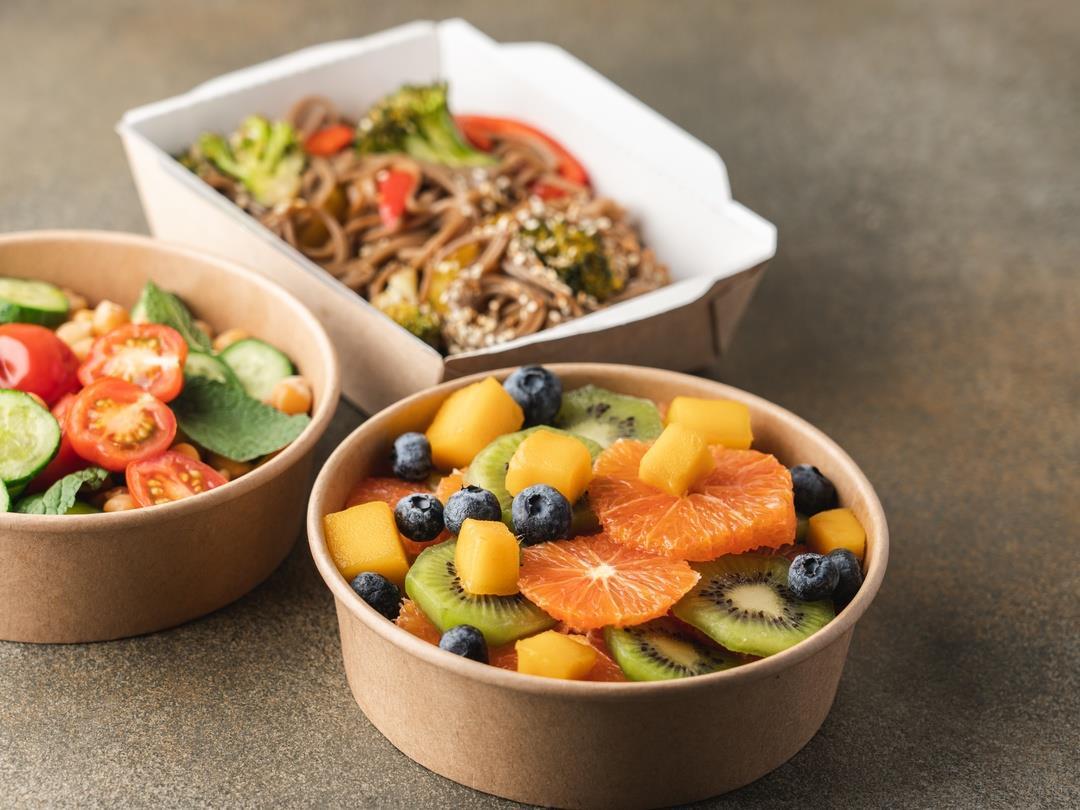
Kemira and Jain Chem are jointly developing aqueous barrier coatings for recyclable paper and board products – a move expected to replace the use of PE and PFAS in paper and board end-use applications.
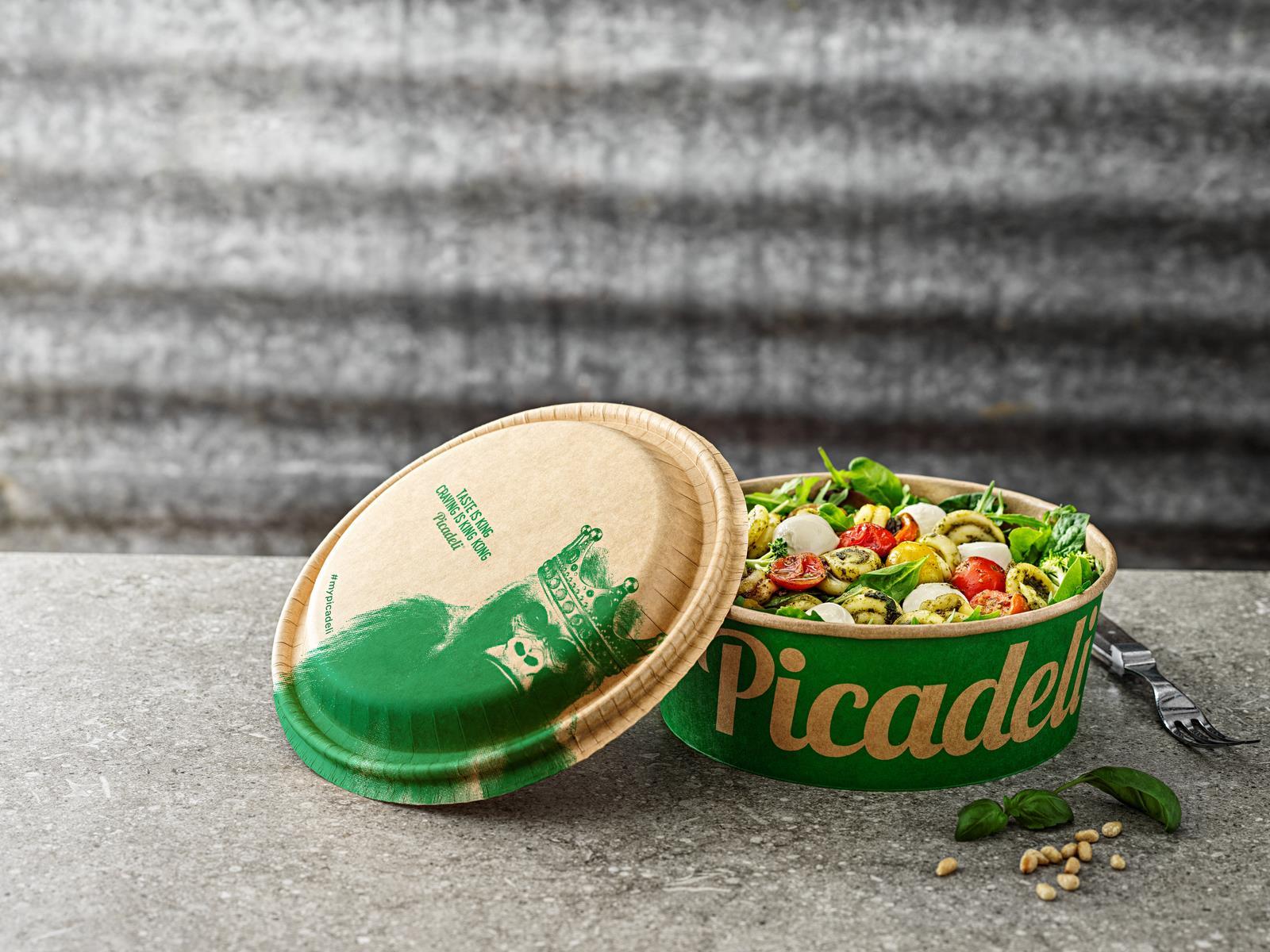
Graphic Packaging International and Picadeli hope to eliminate an annual 250 metric tons of plastic from the latter’s supply chain with a new range of snap-closing paperboard lids for its paper-based salad bowls.
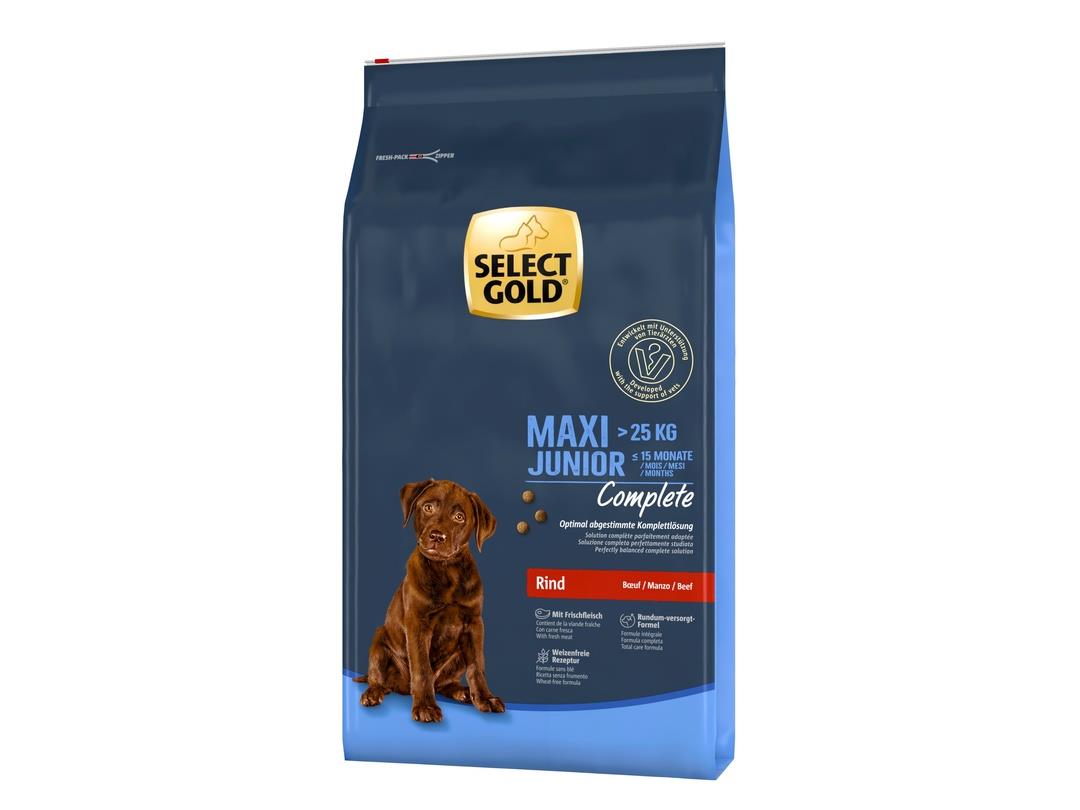
Mondi is collaborating with Fressnapf to roll out recyclable mono-material packaging for its dry pet food range – decorating the packs using process colour printing technology with a lower reliance on inks and chemicals.
A collaboration between Neste, Suntory, ENEOS, and Mitsubishi Corporation expects to facilitate the production of PET resin from ‘renewable’ Neste RE feedstock, set to be used by Suntory to manufacture bottles in 2024.
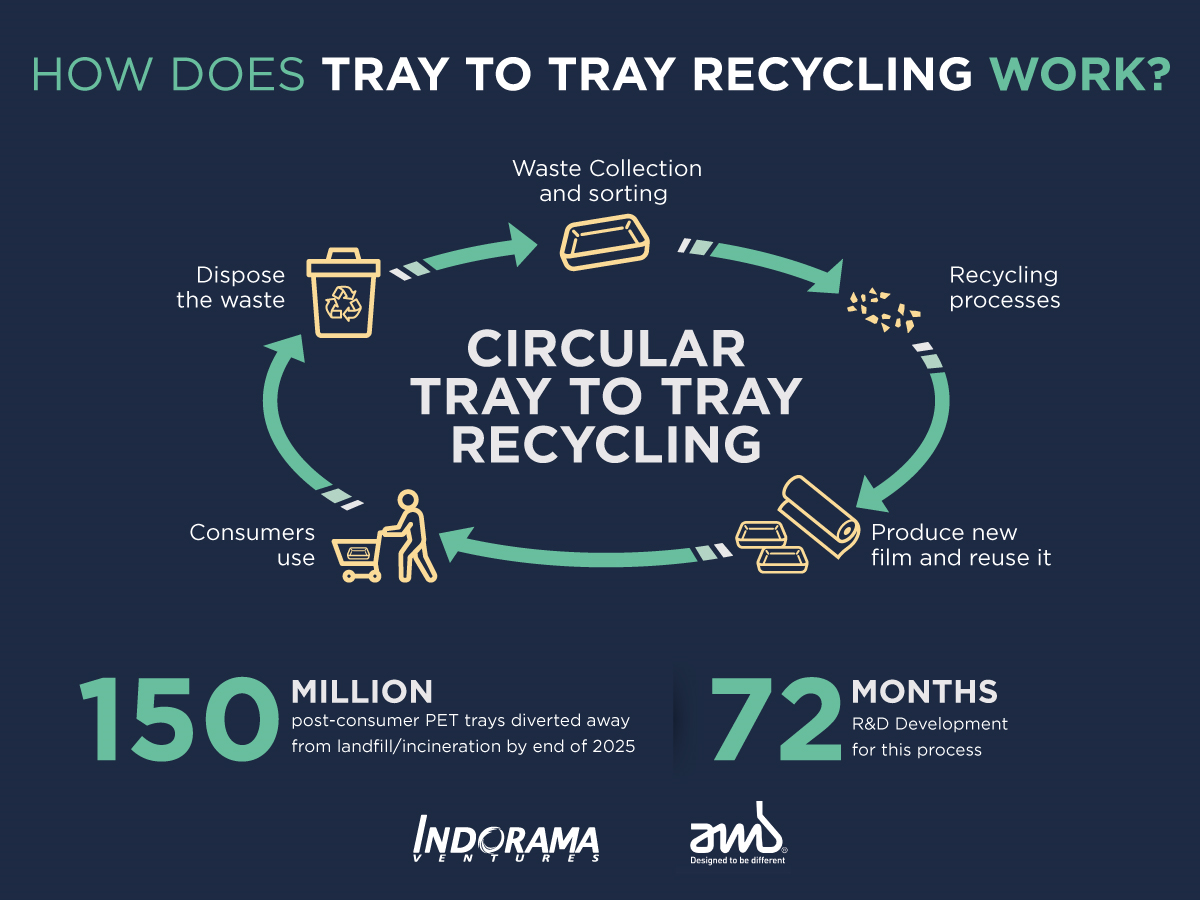
In a new partnership, Indorama Ventures and AMB Spa aim to divert over 150 million post-consumer PET trays away from landfill or incineration by the end of 2025 by recycling them into film for food packaging trays.
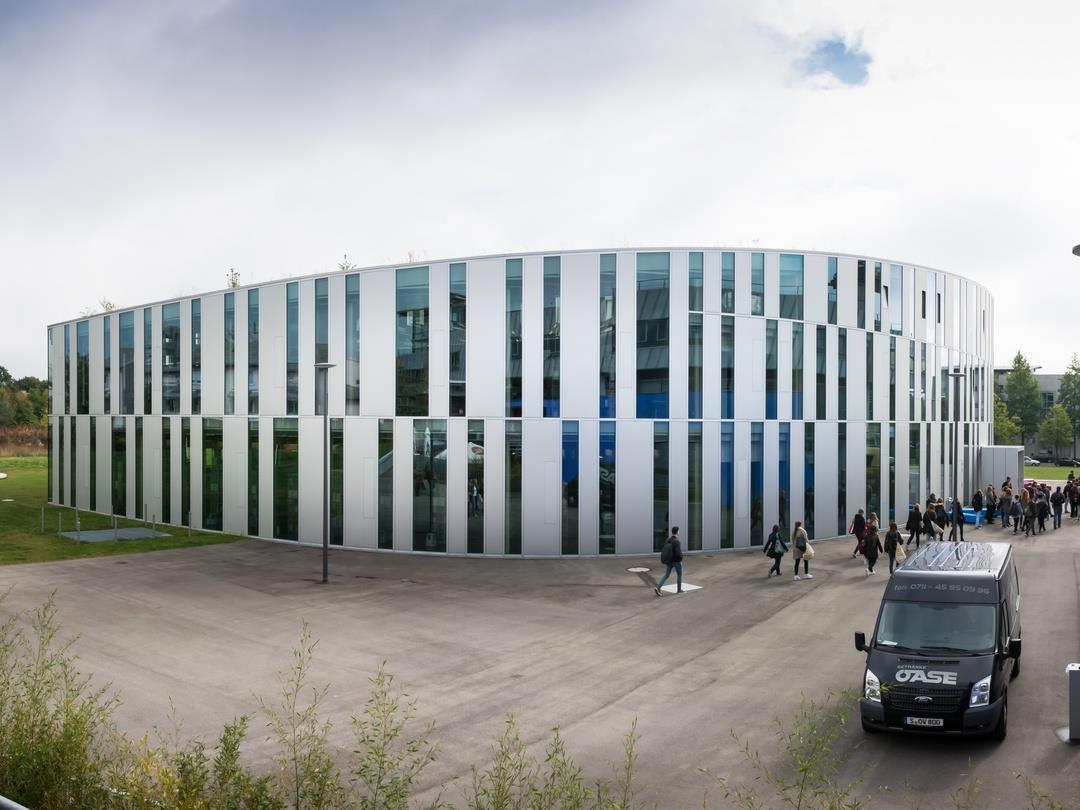
ProAmpac and Hochschule der Medien Stuttgart are teaming up to pursue the development of high-performance, curbside recyclable coated paper technologies.
Ball Corporation is selling its aerospace business to BAE Systems to streamline its focus on developing low-carbon aluminium packaging and facilitating organic growth across its operations.
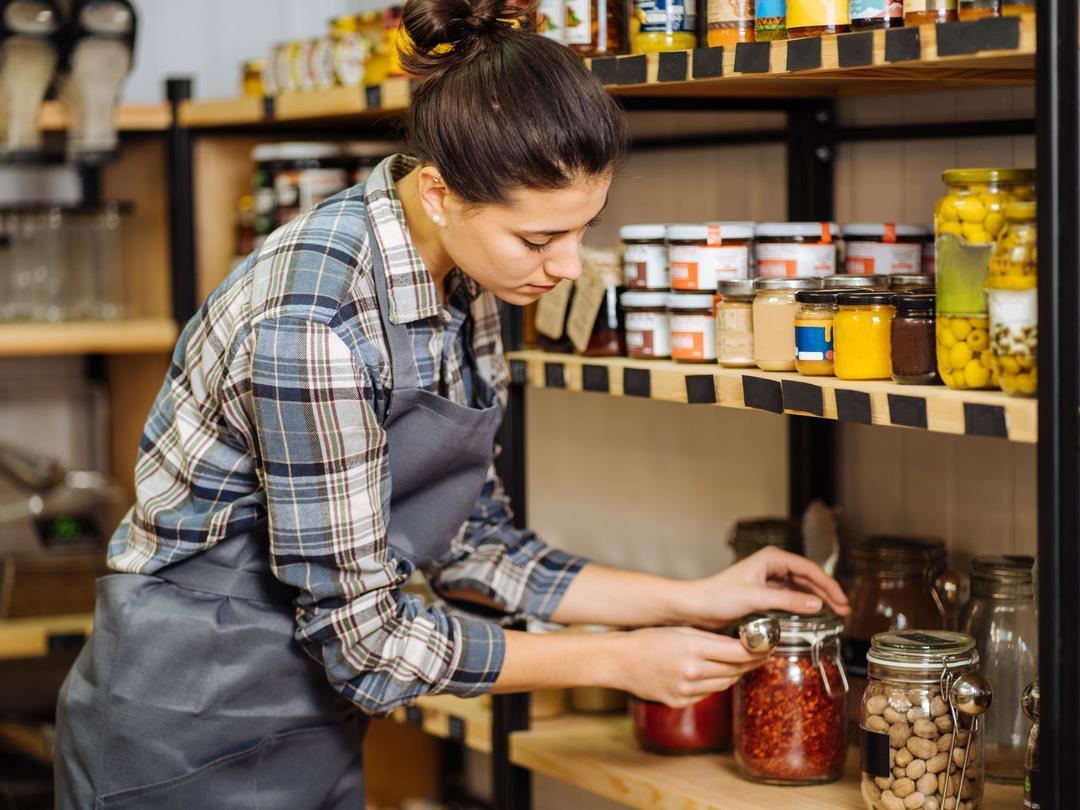
The University of Sheffield and its European partners in the BUDDIE-PACK project are conducting a study to examine the potential of large-scale reusable packaging systems as a replacement for single-use plastics and a combatant against plastic waste.
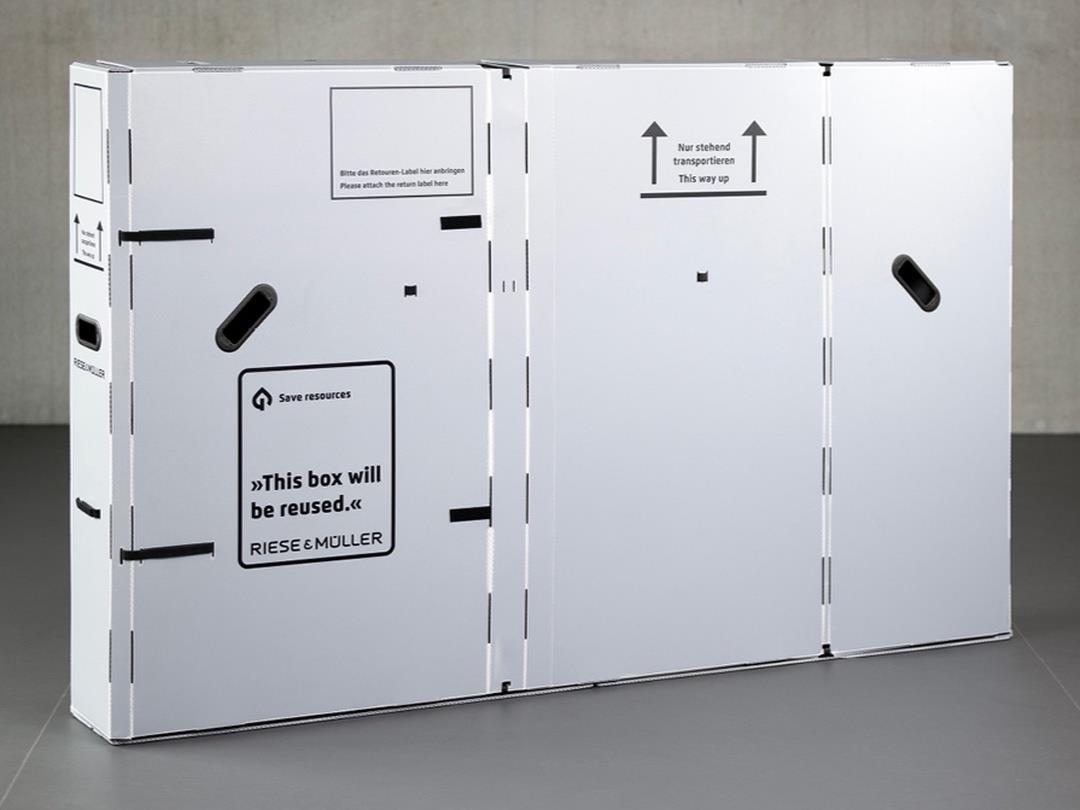
Rhinopaq and Circular Logistics have partnered with Riese & Müller to ship its e-bikes and small components in reusable plastic packaging – a move expected to reduce an initial 905 tonnes of cardboard waste every year.
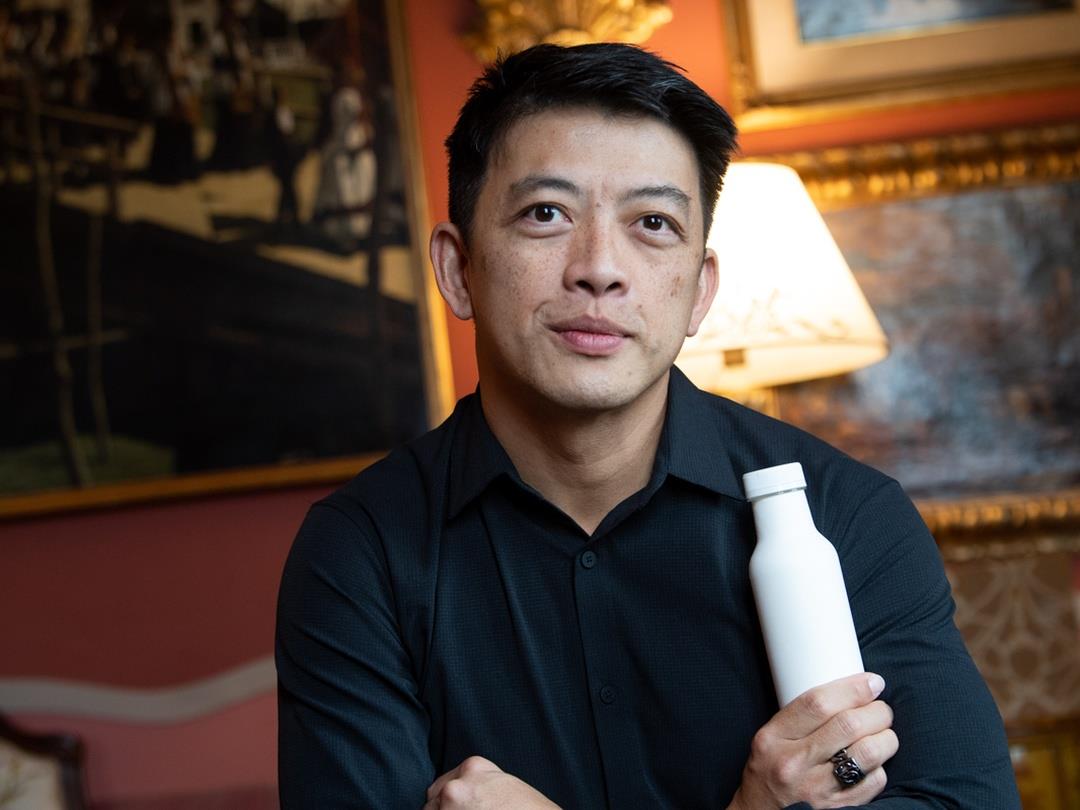
RyPax and CelluComp have unveiled what is said to be the first all-fibre bottle solution with a biodegradable and plant-based inner coating and hope to ‘crack the code’ on paper-based bottle packaging.