
Siegwerk launches ink that also acts as oxygen barrier
Siegwerk has launched a new white printing ink that also provides an oxygen barrier – an innovation that aims to combine two layers into one.
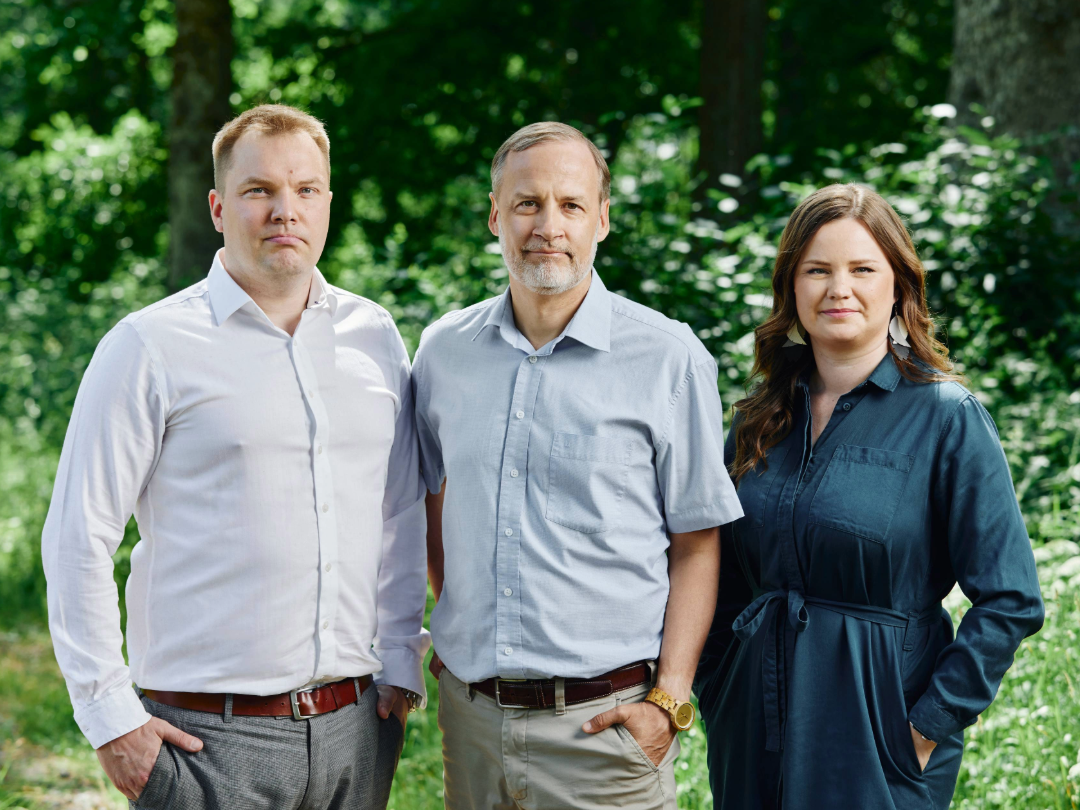
Metsä Group and Andritz are now operating a carbon capture pilot plant at the former’s Rauma mill, with the pilot thought to be the first in the industry to harness carbon dioxide from pulp mill flue gases.
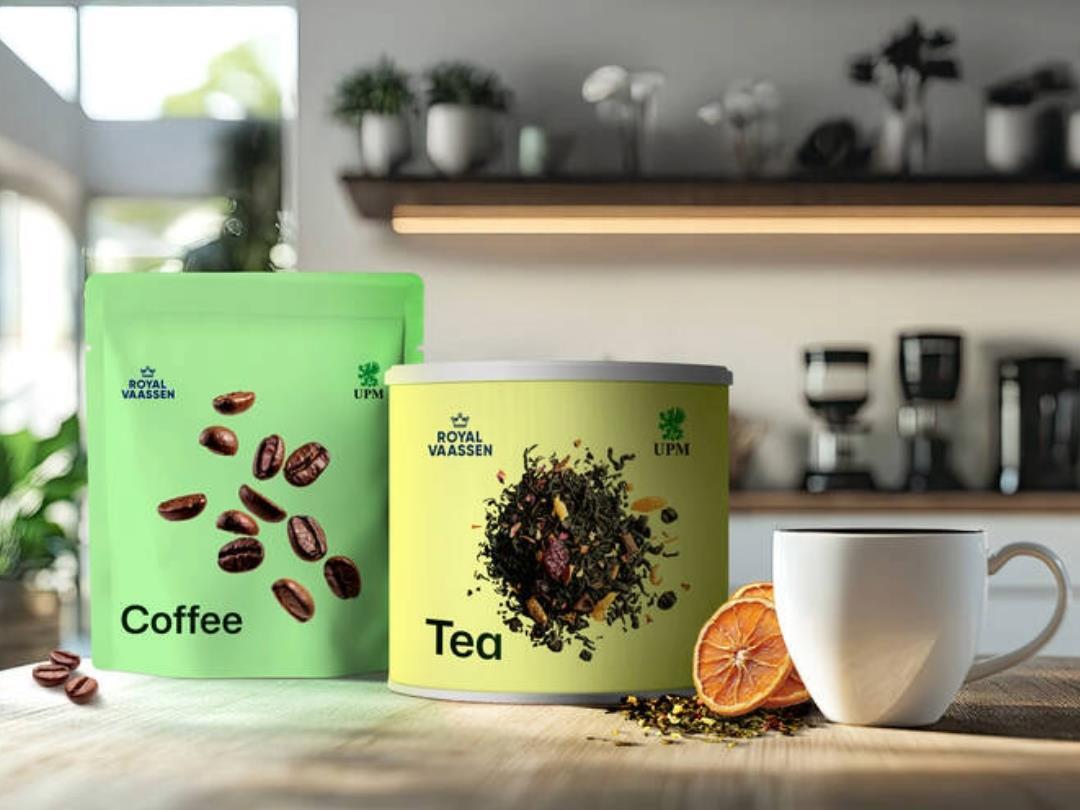
UPM Specialty Papers and Royal Vassen have collaborated to create ‘recyclable and food-safe’ barrier paper solutions for various end-use applications, designed to address requirements including oxygen and moisture barrier properties.
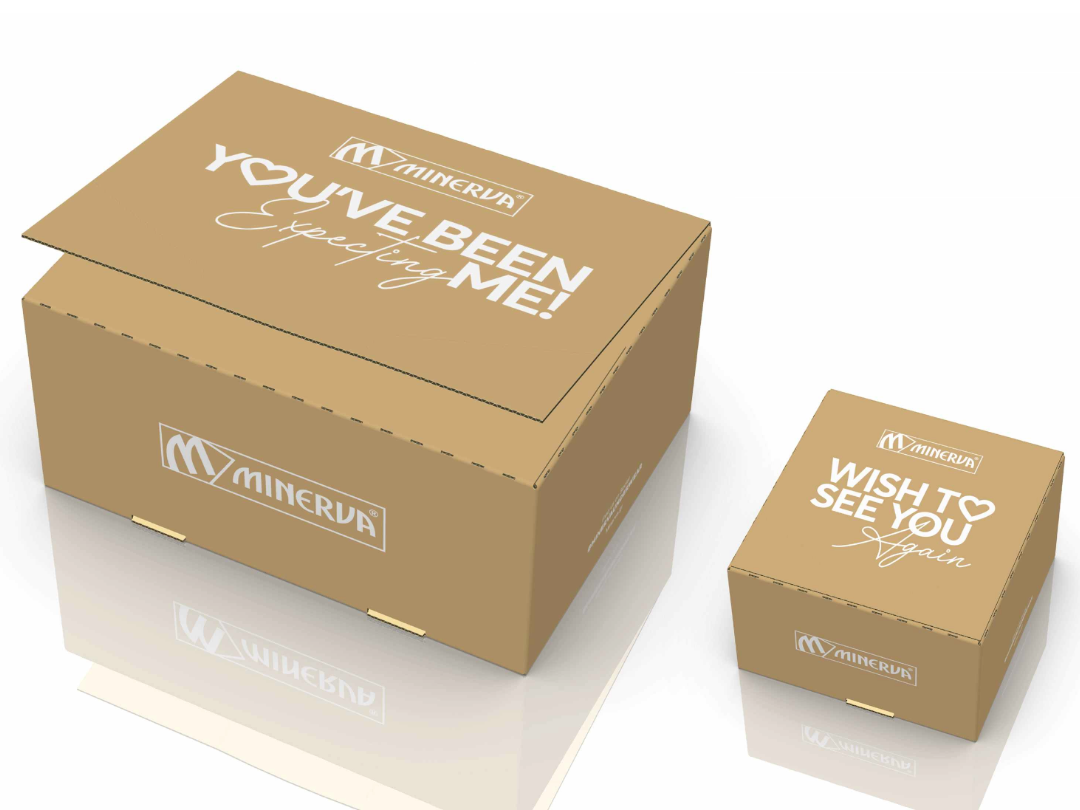
Minerva S.A. is using DS Smith’s recyclable, resealable Tape Back boxes for its e-commerce deliveries – a move expected to simplify the returns process while minimizing material use.
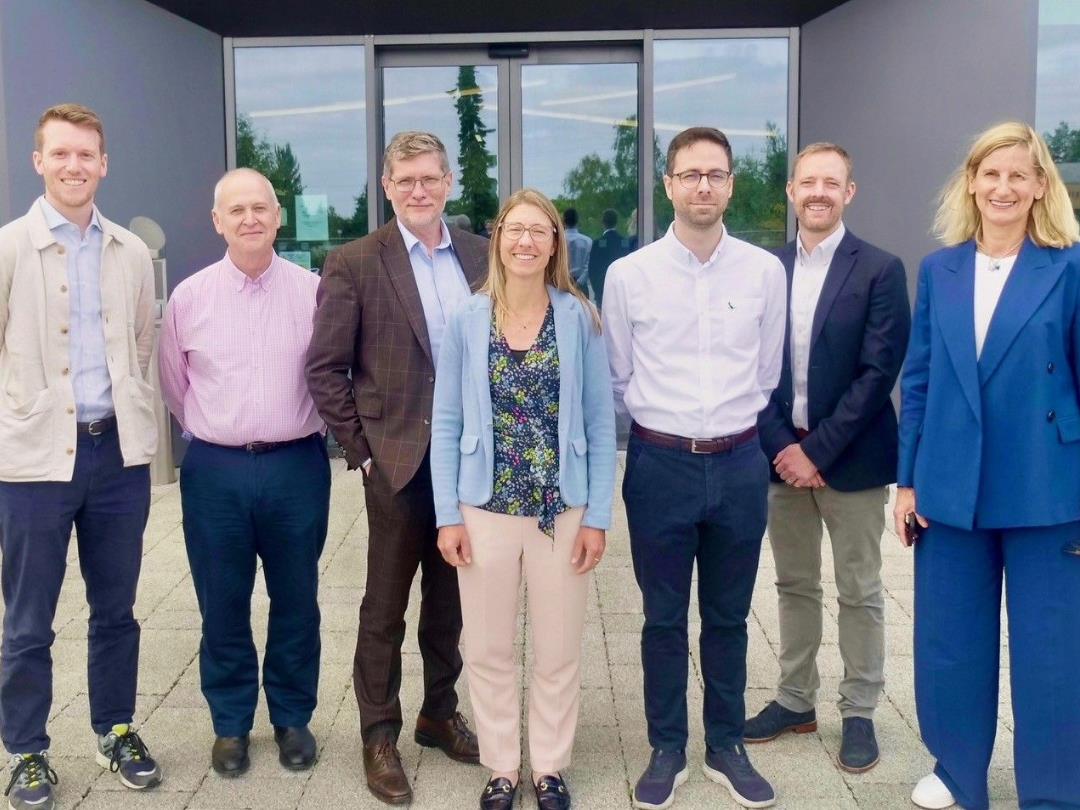
Xampla has secured $14m in private capital towards its goal to replace single-use plastics with plant protein alternatives, with the funding led by Emerald Technology Ventures.
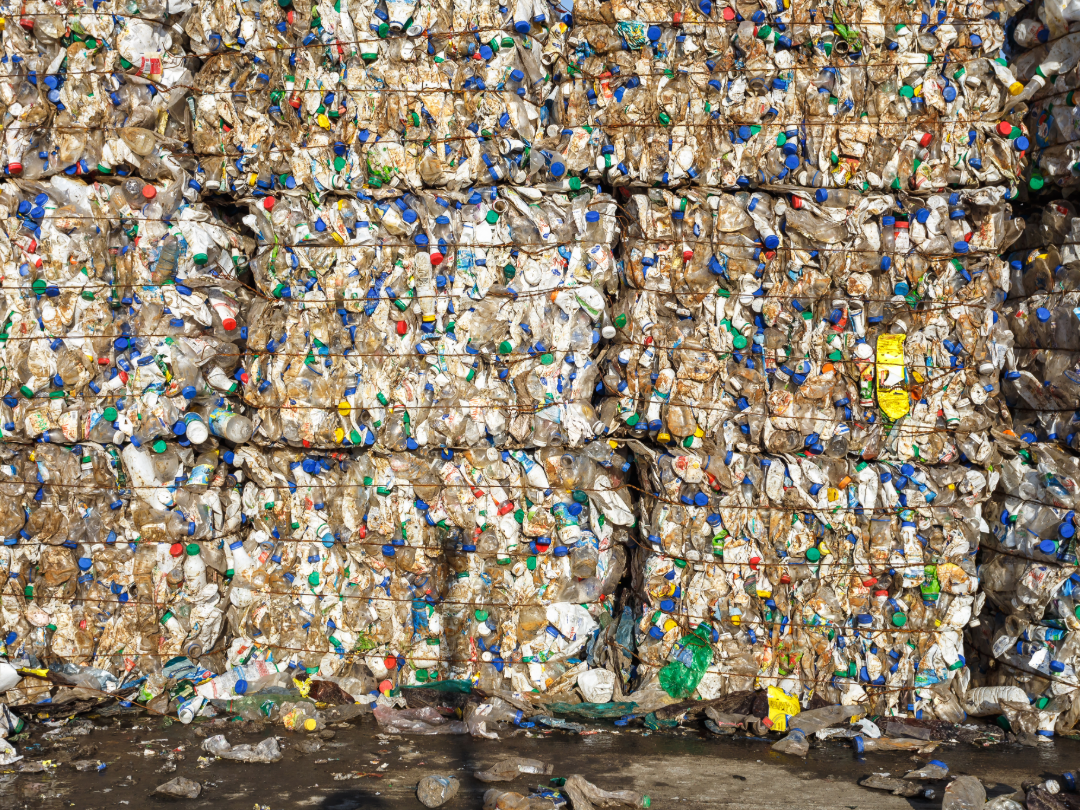
Searious Business, Maastricht University, and TOMRA are among the current signatories of a campaign urging the EU to address the ‘broken economics’ of the plastics recycling industry, including high recyclate costs and recycling plant closures.
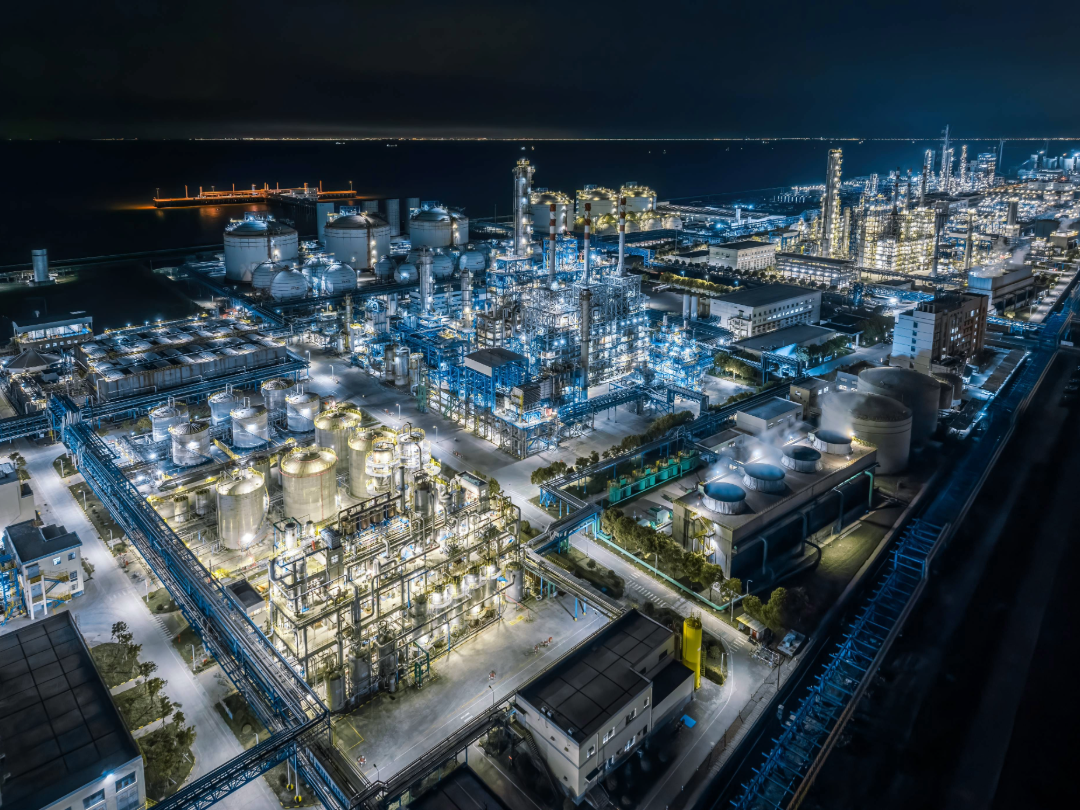
Vioneo has awarded ECI Group a contract to build the ‘world’s first’ low-density polyethylene plant operating entirely on fossil-free feedstock, expected to reach a yearly output of 110,000 tonnes.
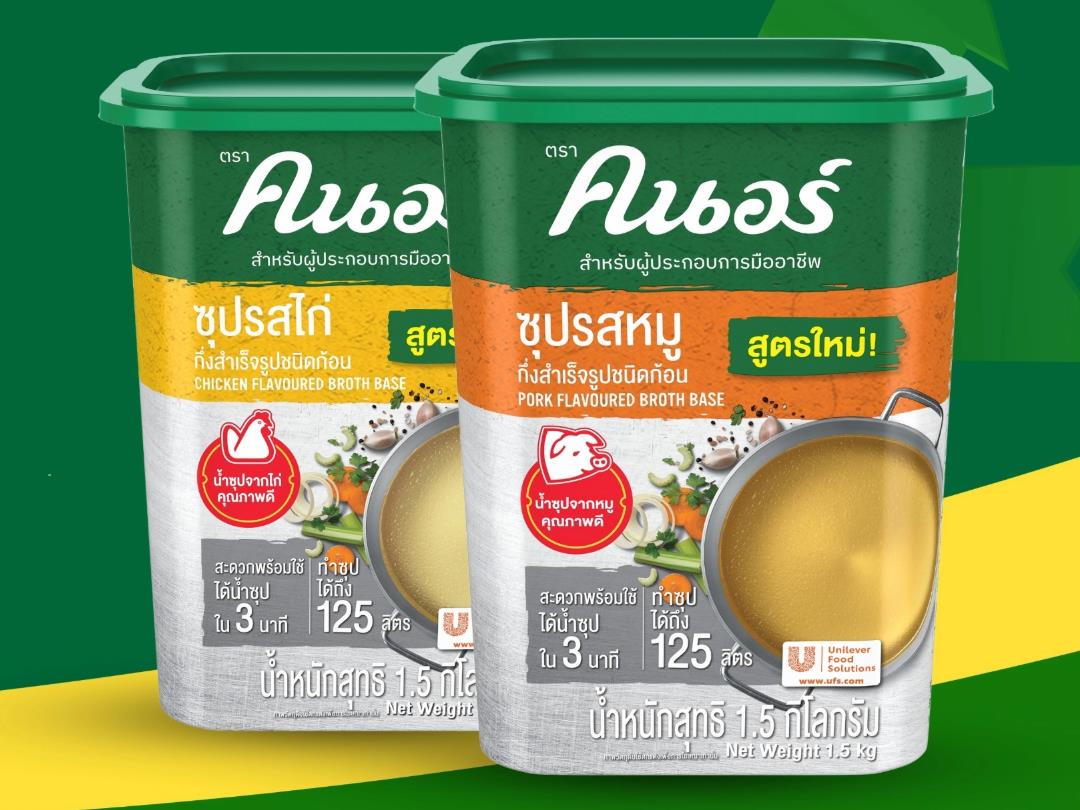
Unilever Thailand and SCG Chemicals (SCGC) have collaborated to create food-grade recycled packaging for the Knorr Professional brand, developed using advanced recycling technology from SCGC’s GREEN POLYMER.
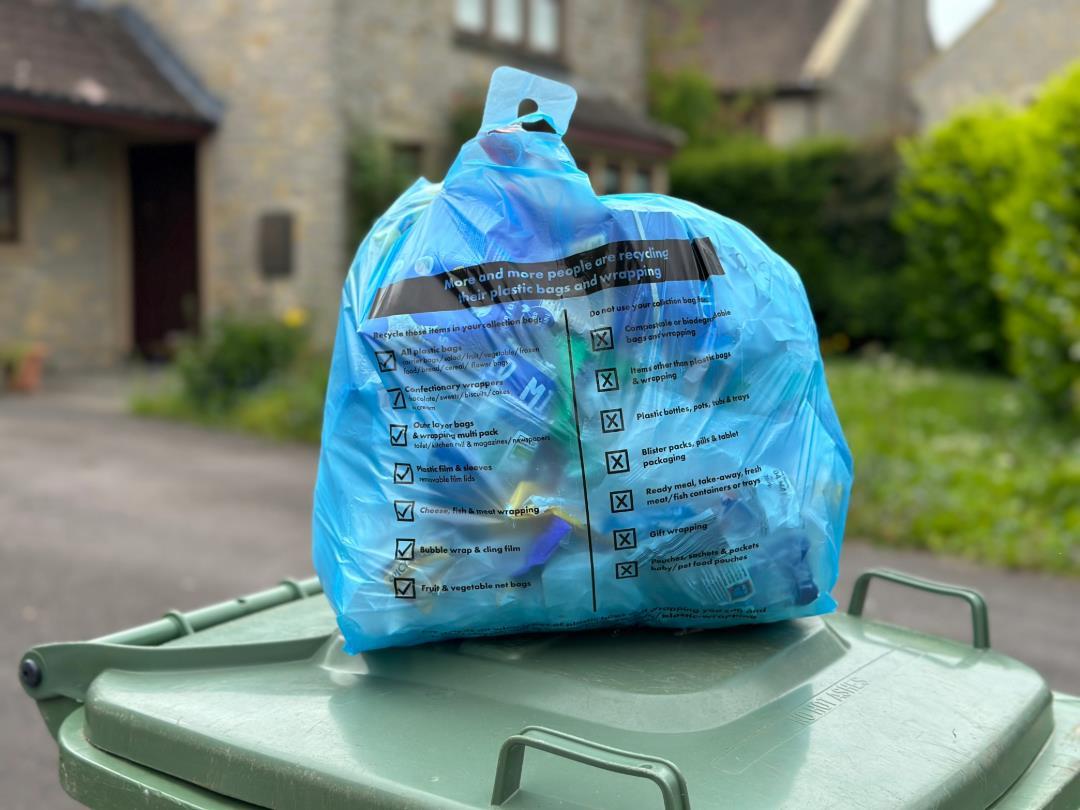
The Flexible Plastic Fund (FPF) has launched its FlexCollect report, consolidating over three years of learnings from the FPF FlexCollect trials which took place across 10 pilot local authorities and 160,000 households in the UK.
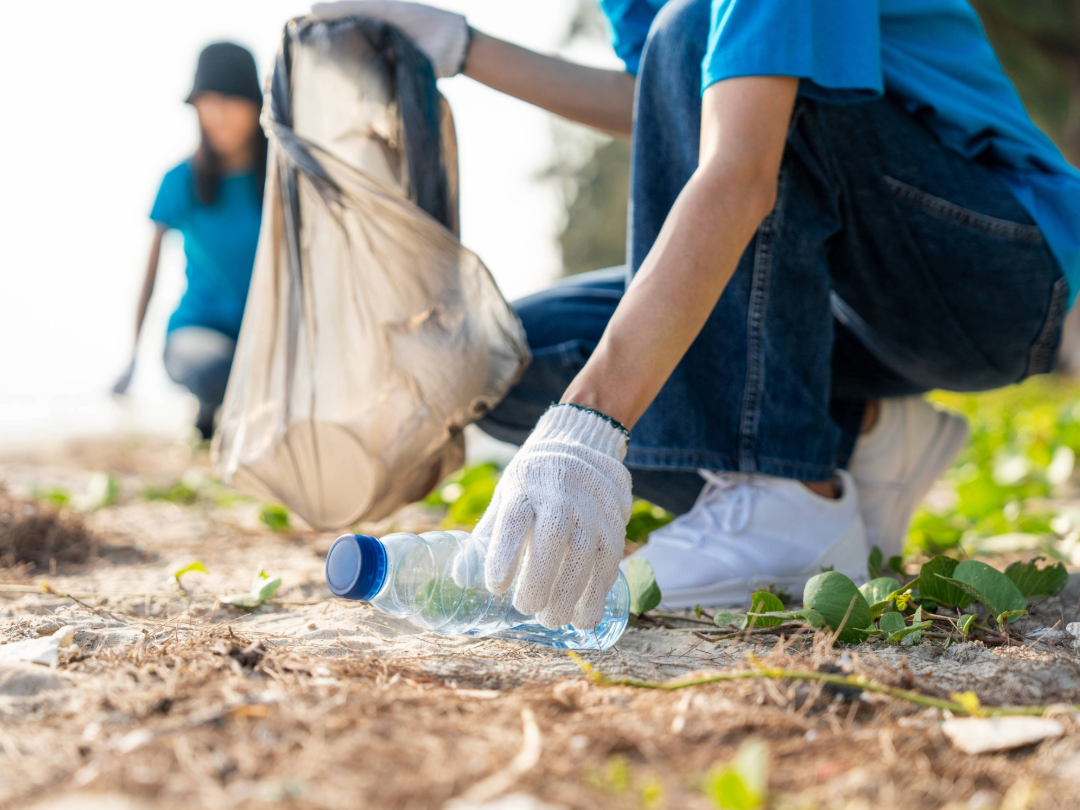
By partnering with Plastic Bank, EZVIZ aims to remove 20,000 kilograms of plastic waste from the environment and support waste collectors across Southeast Asia, Latin America, and Africa.
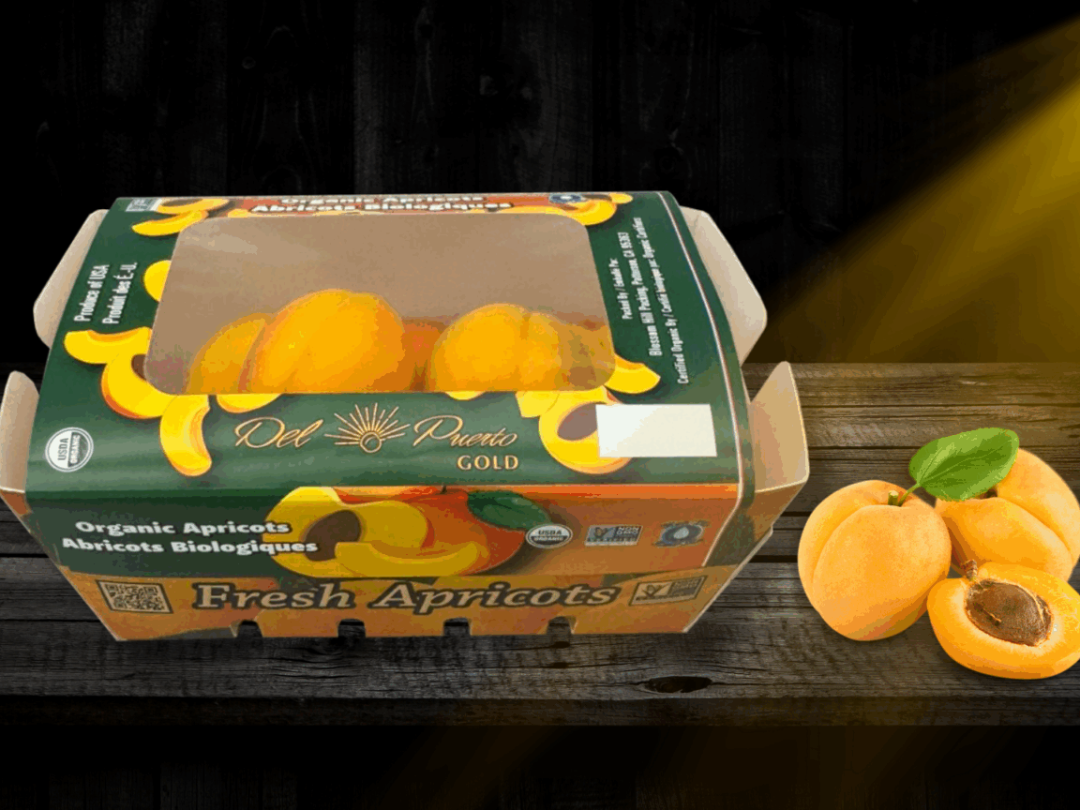
Blossom Hill has adopted a fibre-based, linerless packaging format for its apricots – said to be a fully recyclable, PFAS-free alternative to plastic clamshells and backing paper.
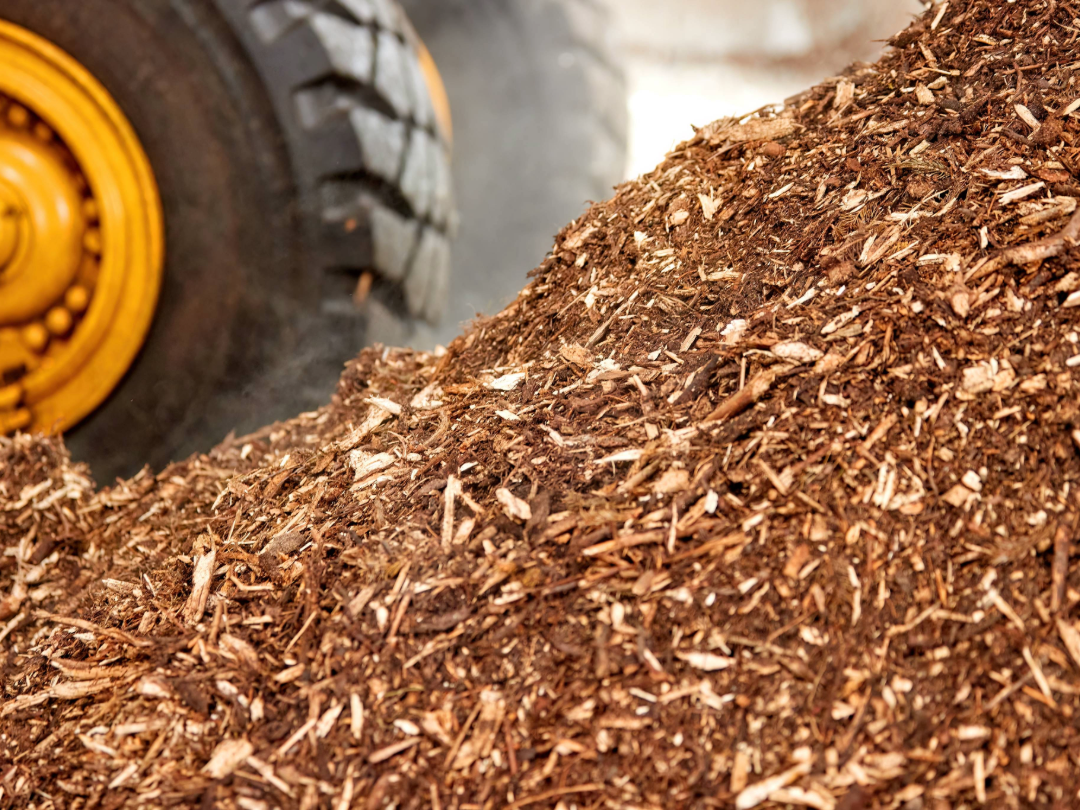
C-Source Renewables is converting wood waste extracts into renewable chemical inputs via the Arborlyse project, which is set to bolster supply chains and support net-zero ambitions.

The world’s biggest brands are changing how they package their products. Ton Knipscheer of the European Co-Packers Association and TK Consulting tells us more about the drivers of this trend, and how we can expect it to evolve in the future.