
Siegwerk launches ink that also acts as oxygen barrier
Siegwerk has launched a new white printing ink that also provides an oxygen barrier – an innovation that aims to combine two layers into one.
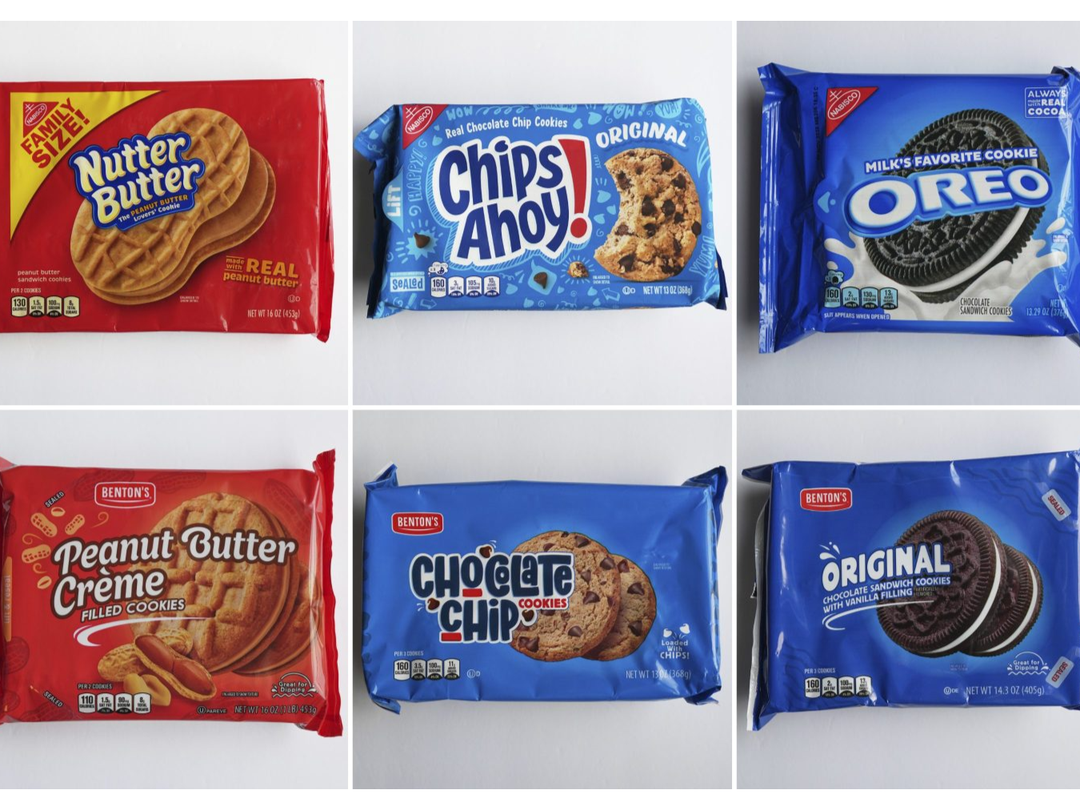
Mondelēz International has filed a lawsuit against Aldi, alleging that the packaging designs for several of its private-label products infringe trademarked visual properties and harm the reputation of several Mondelēz brands.
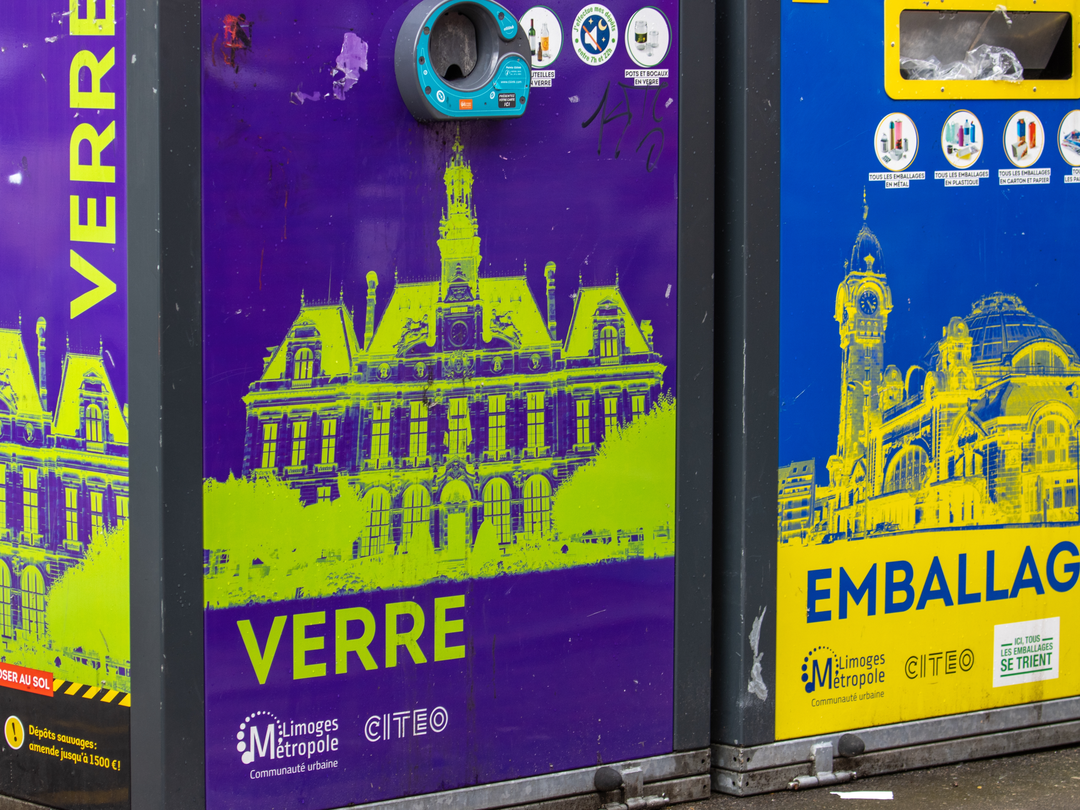
Thirty-three years after France first implemented Extended Producer Responsibility (EPR) for packaging, Citeo CEO Jean Hornain tells UNEP how universal participation, legal accountability, and the creation of formal jobs can incentivize plastic waste reduction.
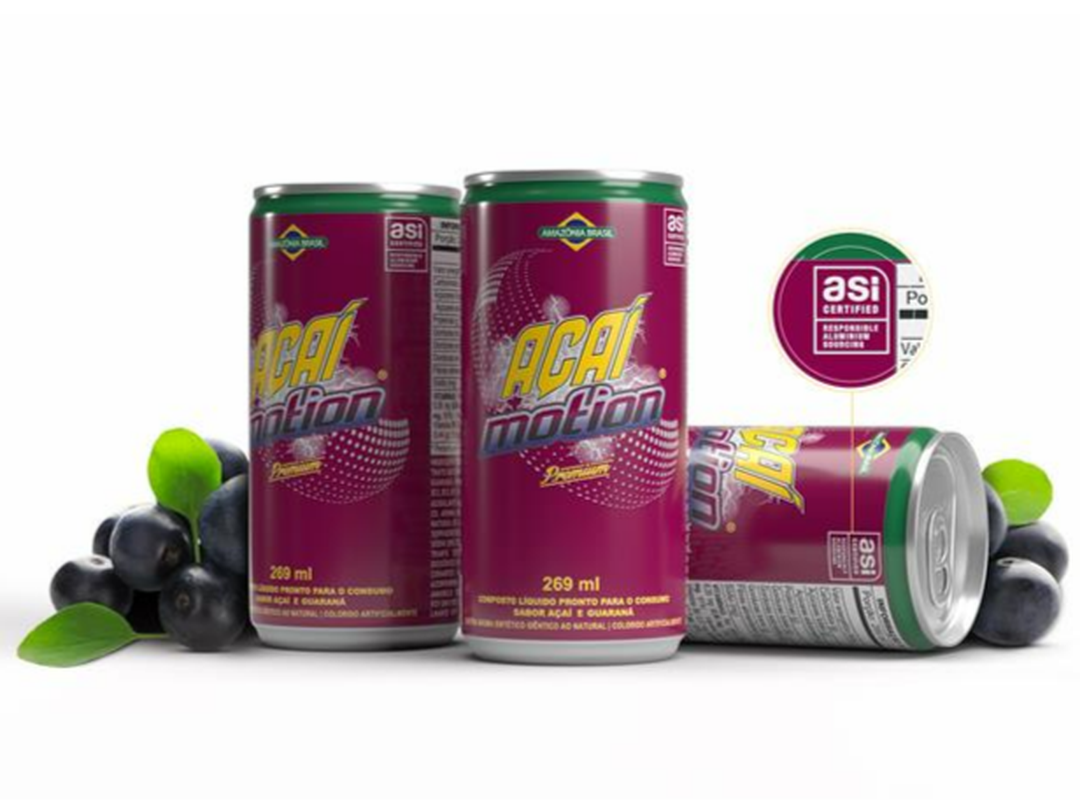
Ball Brazil and Açai Motion have partnered on a new can certified by the Aluminum Stewardship Initiative (ASI), said to ensure the aluminium used in production adheres to ‘ethical and sustainable practices’ from raw material extraction to recycling.

In a new report, Systemiq encourages the European Union to clarify policies and boost market confidence to develop fossil-free plastics at scale, particularly for the green-methanol-to-olefins process.
Esko and CarbonQuota have developed a new carbon emissions calculation capability, allowing packaging converters and brands to automate carbon footprint calculations and align their environmental impacts with internal and legislative sustainability goals.
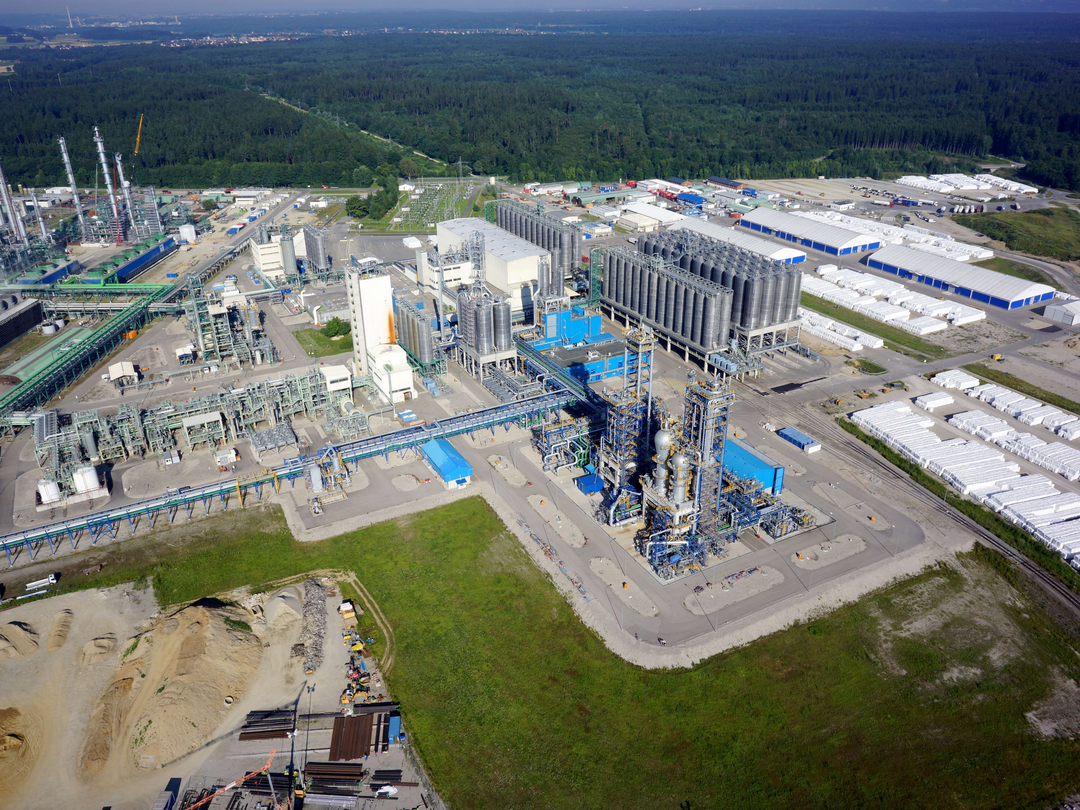
Borealis is investing over €100 million into a new High Melt Strength polypropylene line, aiming to triple its capacity and address global demand for reusable cups, food packaging, and other recyclable, lightweight polymer foam solutions.

CARBIOS has announced the signing of its first multi-year offtake contracts with L’Oréal and L’Occitane en Provence for biorecycled r-PET from its future commercial plant in Longlaville, France.
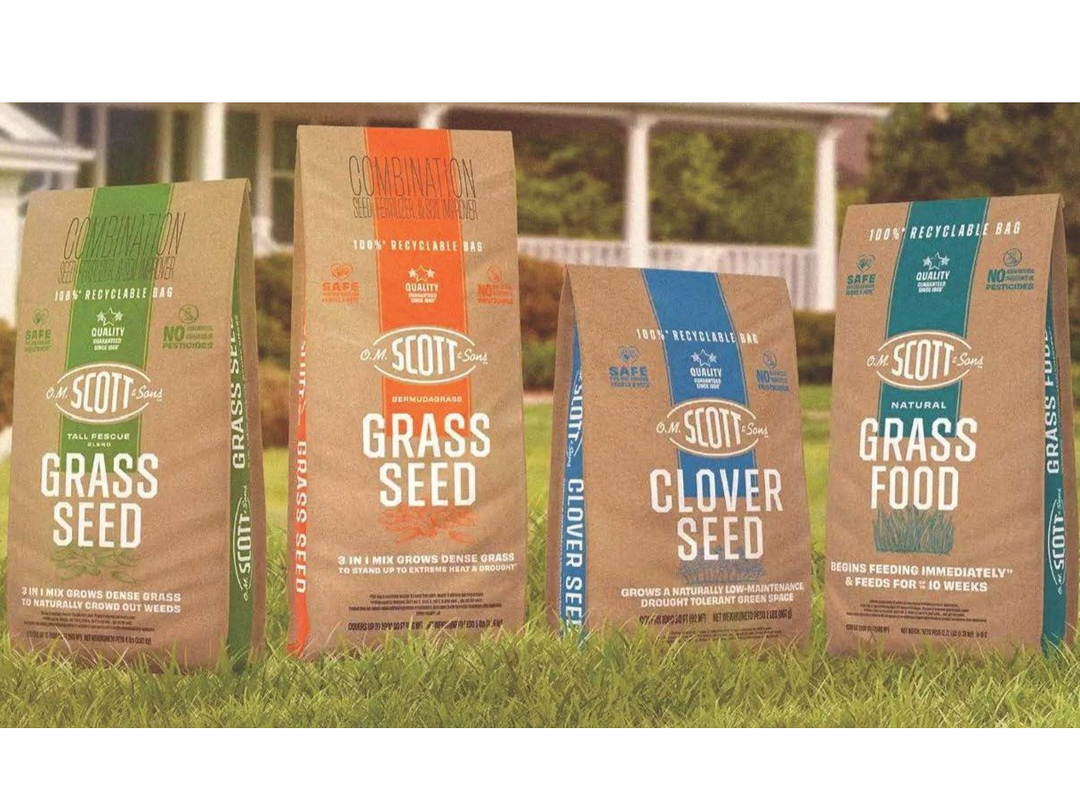
ProAmpac partnered with ScottsMiracle-Gro to develop kerbside recyclable packaging for O.M. Scott & Sons’ grass seed, clover seed and grass food products, featuring ProAmpac’s PRO-EVO Recyclable SOS Bags.
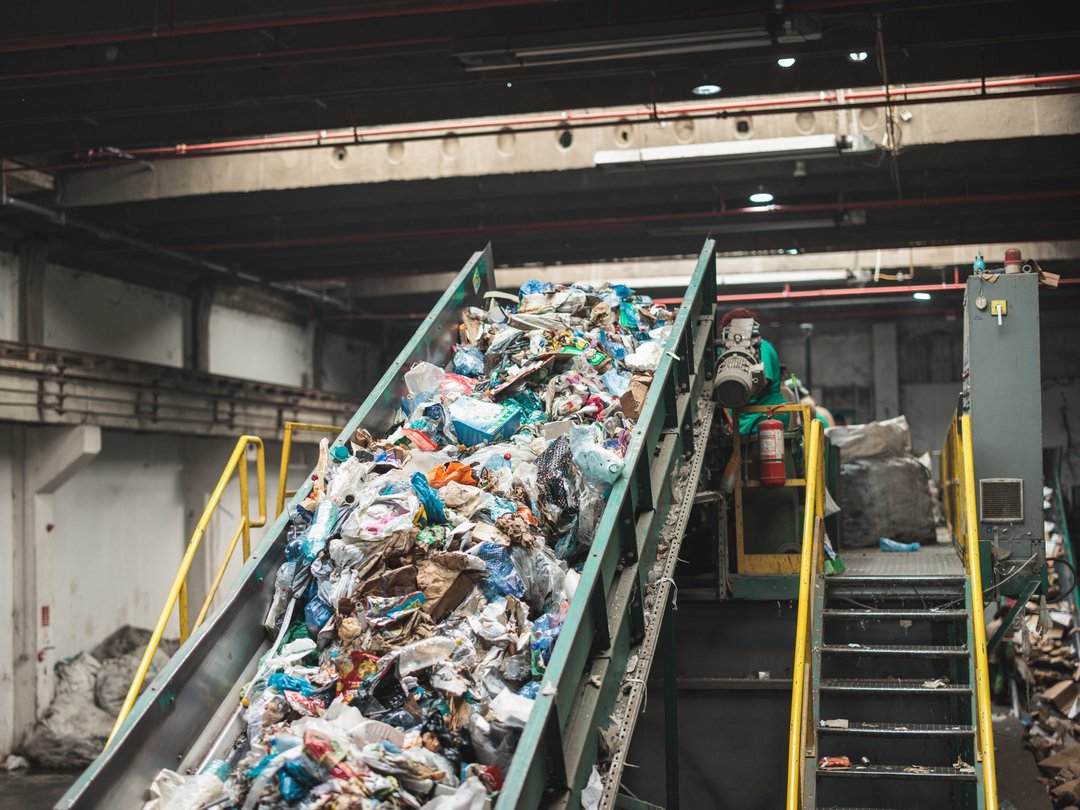
According to a whitepaper from ICIS, mechanical recycling only constituted 8% of European demand in 2024 – but the figure is expected to double across various global regions by 2050, requiring an annual recycling rate of over 50 million tonnes.
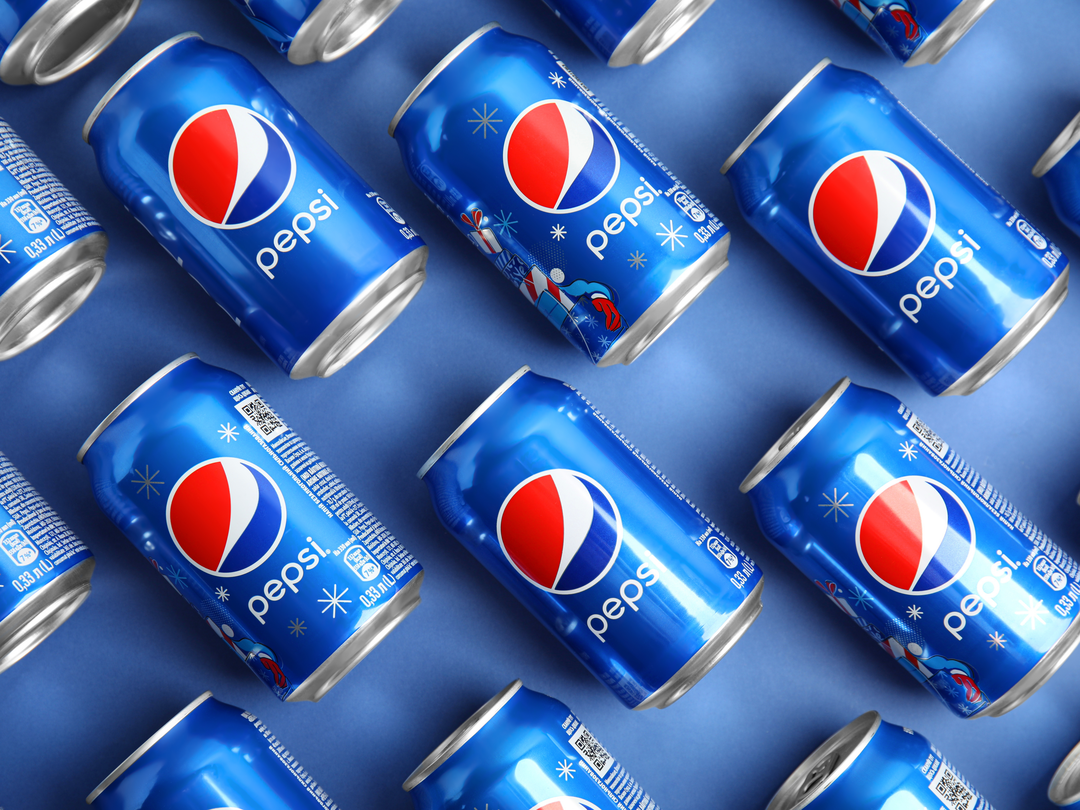
Citing roadblocks outside its control, PepsiCo has scaled back its packaging targets for 2030, switching its 20% virgin plastic reduction goal to a 2% year-on-year decrease and removing biodegradability from the scope of its sustainable design goals.

The European Commission’s Single Market Strategy aspires to facilitate cross-border trade and investments by standardizing packaging rules such as EPR, simplifying compliance via digitalization, and lifting administrative and regulatory burdens.
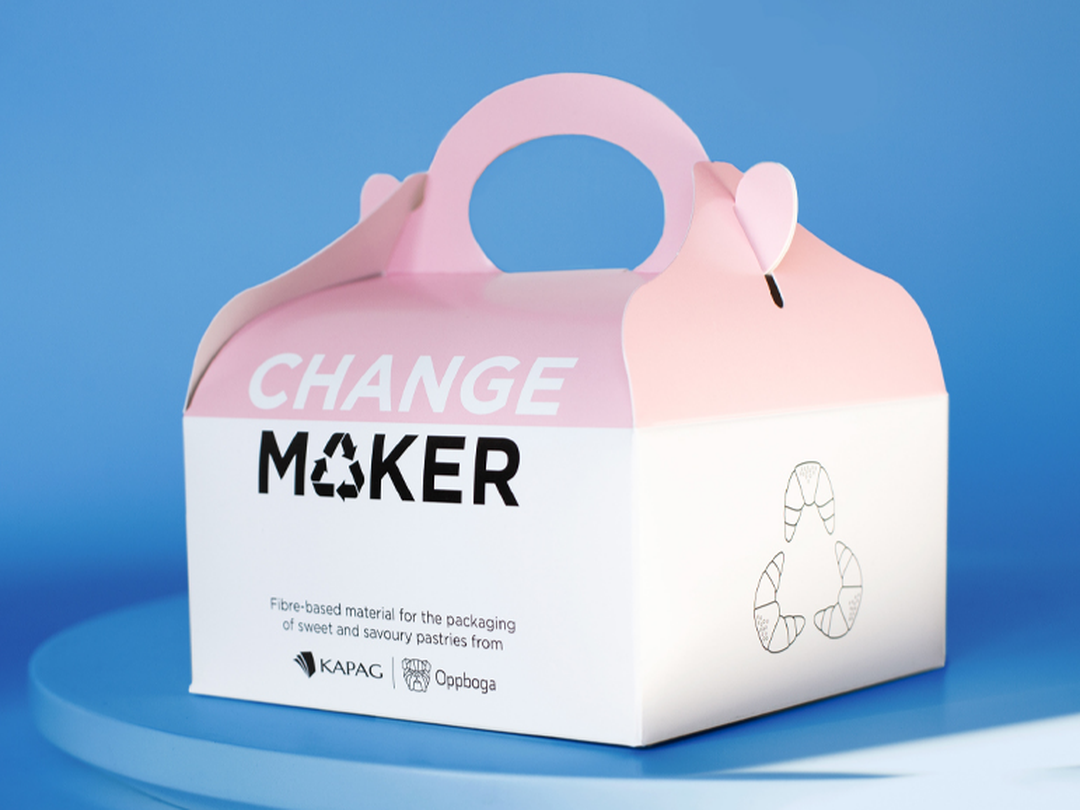
Kapag has combined its lamination process with Sappi’s paperboard (or topliner) and barrier paper to deliver a recyclable mono-material solution for food products, designed to eliminate the need for plastic-based alternatives.