
Siegwerk launches ink that also acts as oxygen barrier
Siegwerk has launched a new white printing ink that also provides an oxygen barrier – an innovation that aims to combine two layers into one.
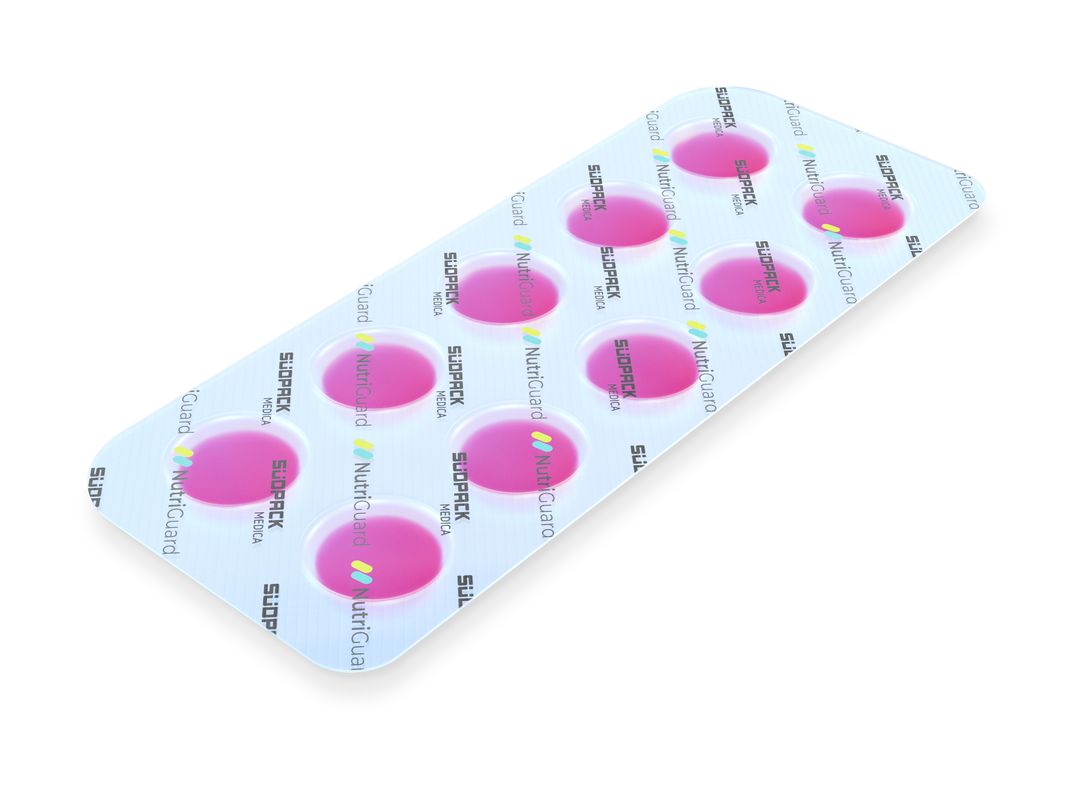
SÜDPACK Medica has unveiled a mono-polypropylene blister solution for dietary supplement packaging, intending to align with the Packaging and Packaging Waste Regulation’s recyclability requirements while maintaining contact safety and product performance.
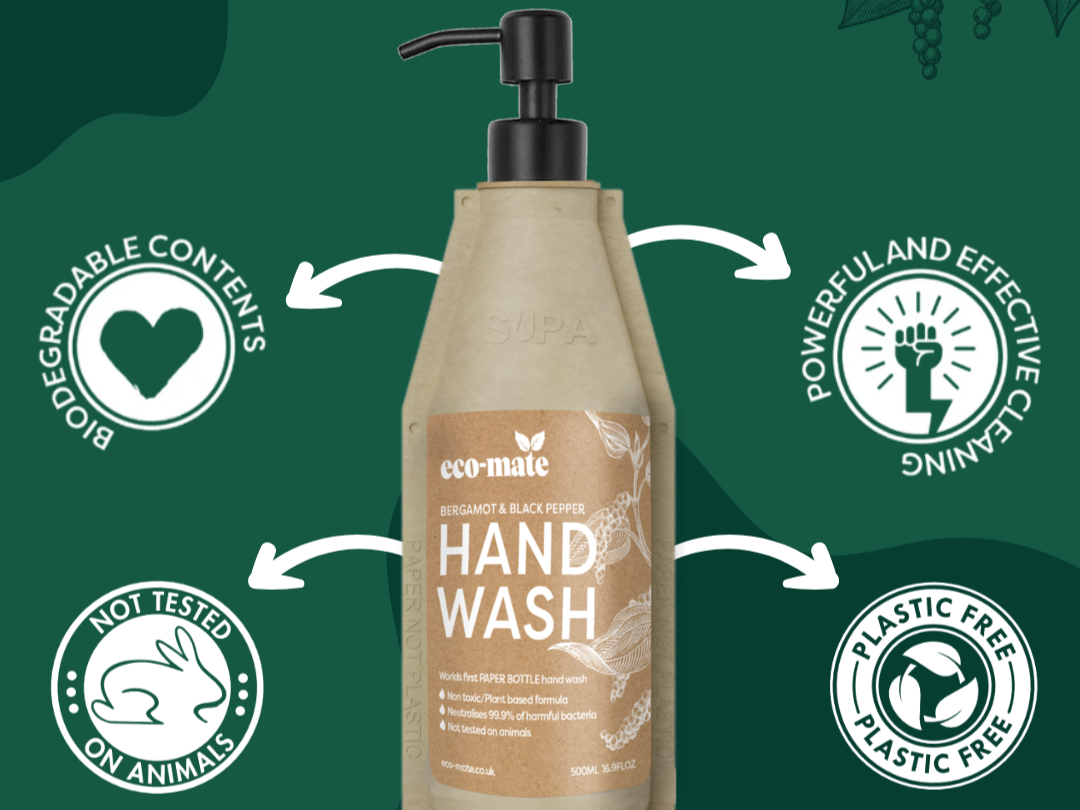
SUPA Innovations is distributing handwash in a ‘plastic-free’ paper bottle, featuring a reusable metal hand pump and a waterproof lining made of sap from pine residue.
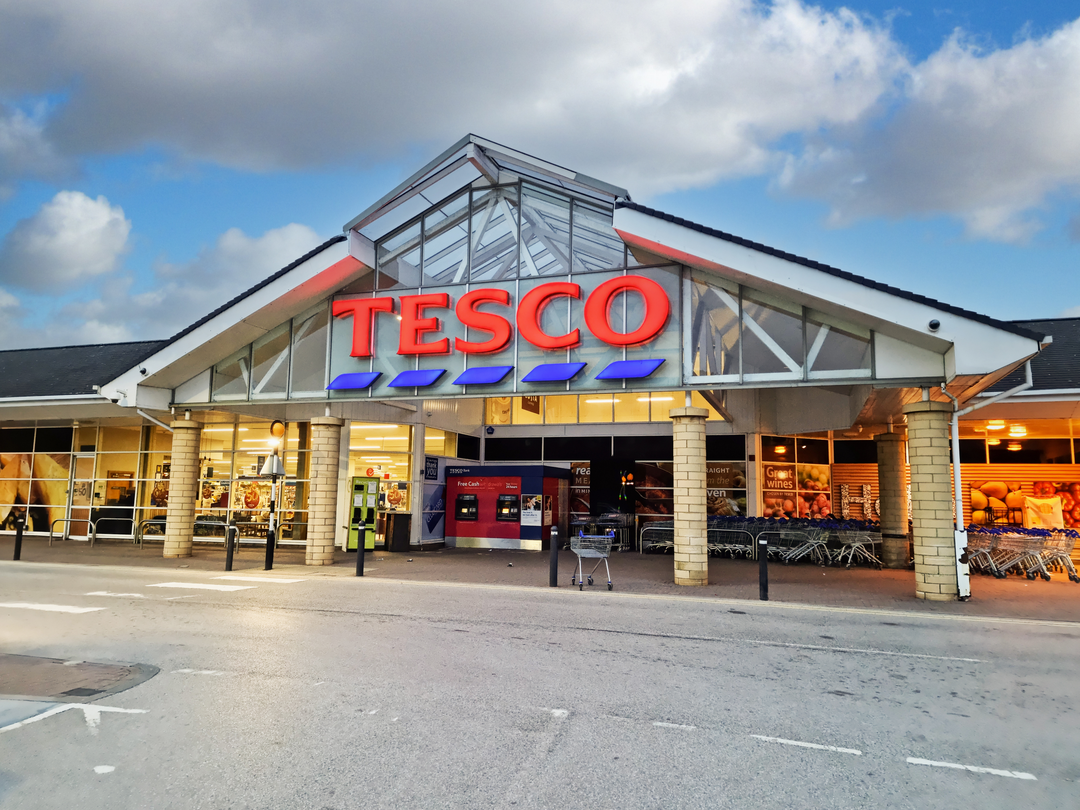
As part of an expanded pilot, Tesco is now trialling barcodes containing GS1 QR codes in selected stores, seeking to assess how the QR codes can improve date code accuracy, reduce food waste and help prevent the sale of out-of-date products.
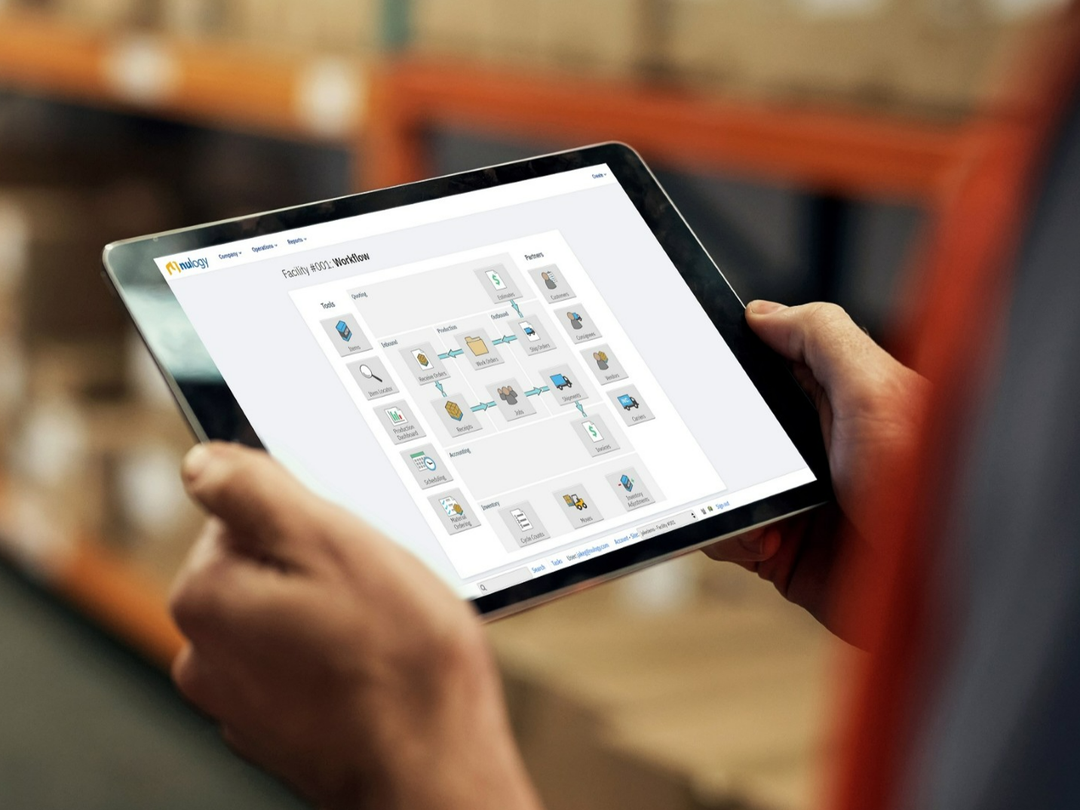
In this edition of the Spotlight, Nulogy explains how Nagel-Group is leveraging its co-packing software to increase flexibility and responsiveness across its network.
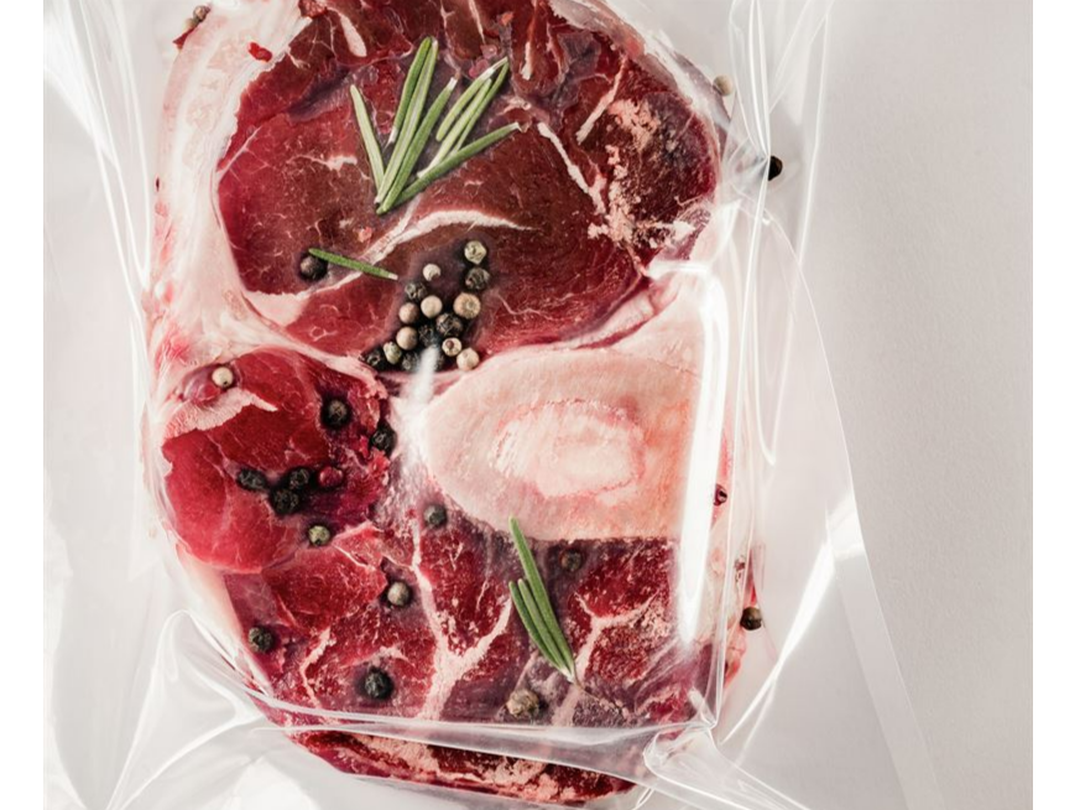
Niederwieser Group, Dow and Kuraray have joined forces to create recyclable vacuum bags for the food industry, aiming to meet the upcoming PPWR requirements, ensure legal compliance and reduce environmental impact.
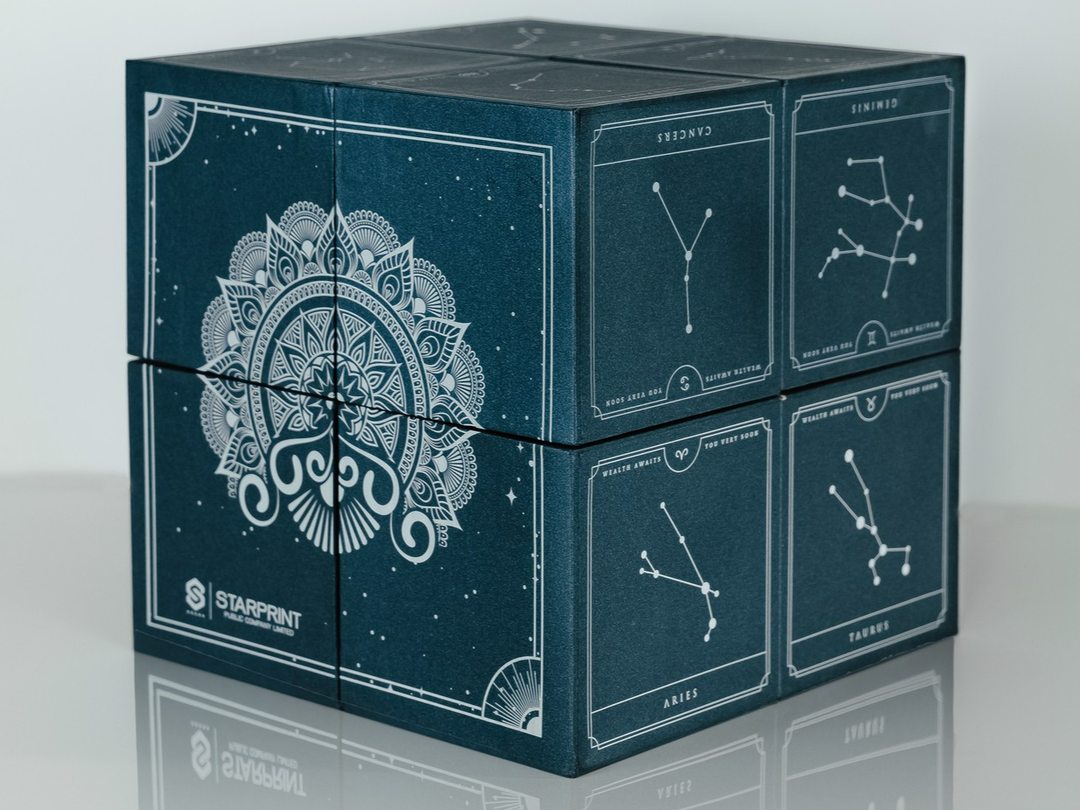
Thai company Starprint’s multi-functional gift packaging cube - designed for reuse such as jewellery and stationary storage - and its biodegradable packaging solution for macadamia nuts, with built in shell disposal, recently won in the WorldStar Global Packaging Awards 2025. We spoke with the…
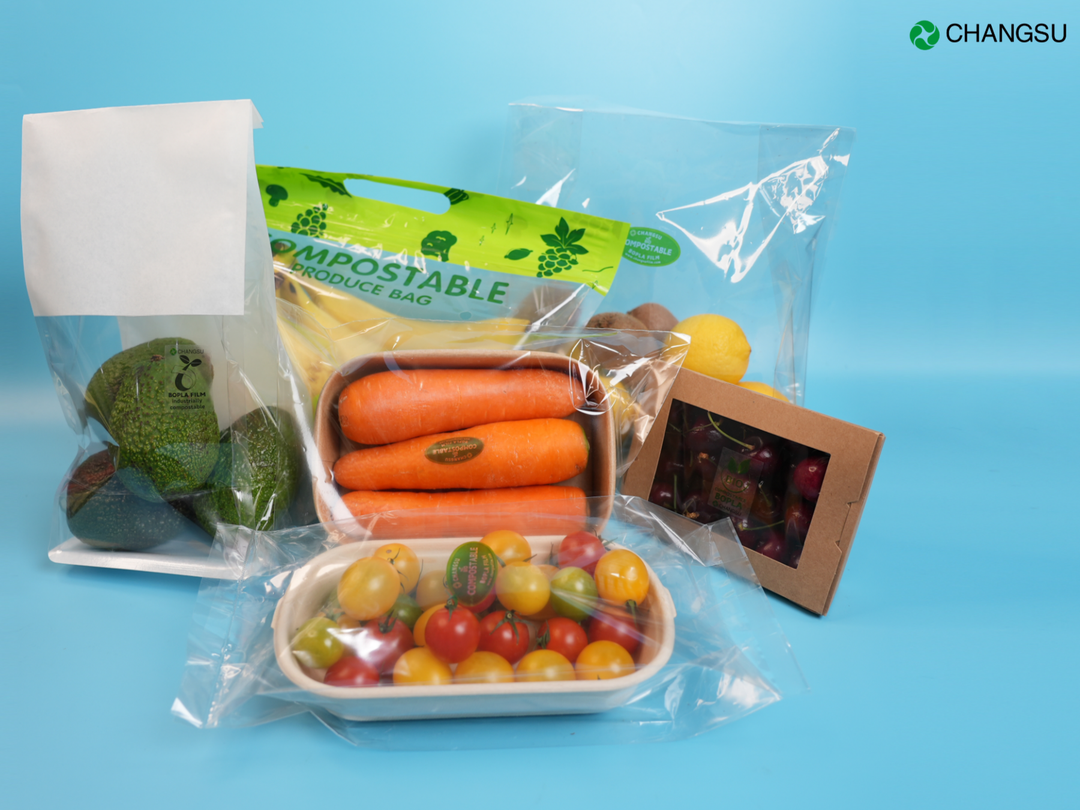
In this edition of the Spotlight, Xiamen Changsu details how its BOPLA film, said to reduce costs by 45% in recent years, can offer a renewable solution for the European market in line with the Packaging and Packaging Waste Regulation.
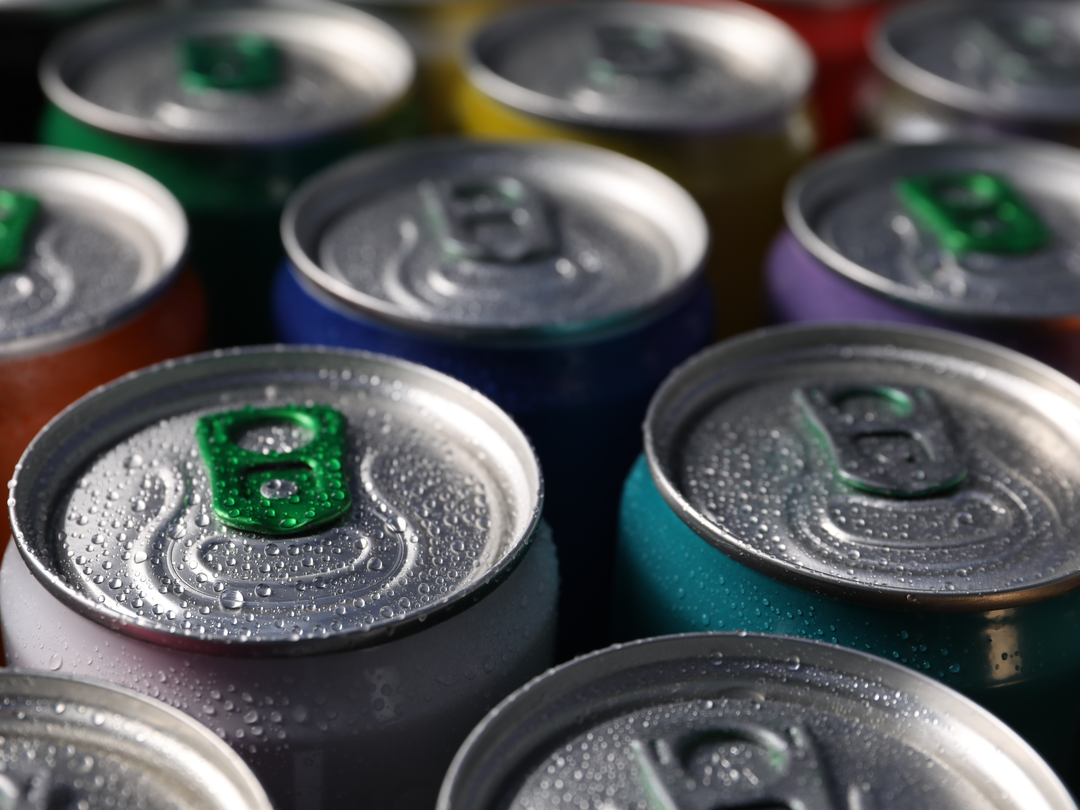
UNESDA Soft Drinks Europe and Pilario have tailored an online life cycle assessment tool to the soft drinks industry, allowing users to evaluate their products’ environmental impacts against industry standards and report their results.

Packaging design has never operated in isolation, but in 2025 the pressure to get it right is sharper than ever. Sustainability targets are tightening, budgets are under scrutiny, and consumers are better informed. So, how can companies get it right? Smurfit Westrock’s Lisa Cain tells us…
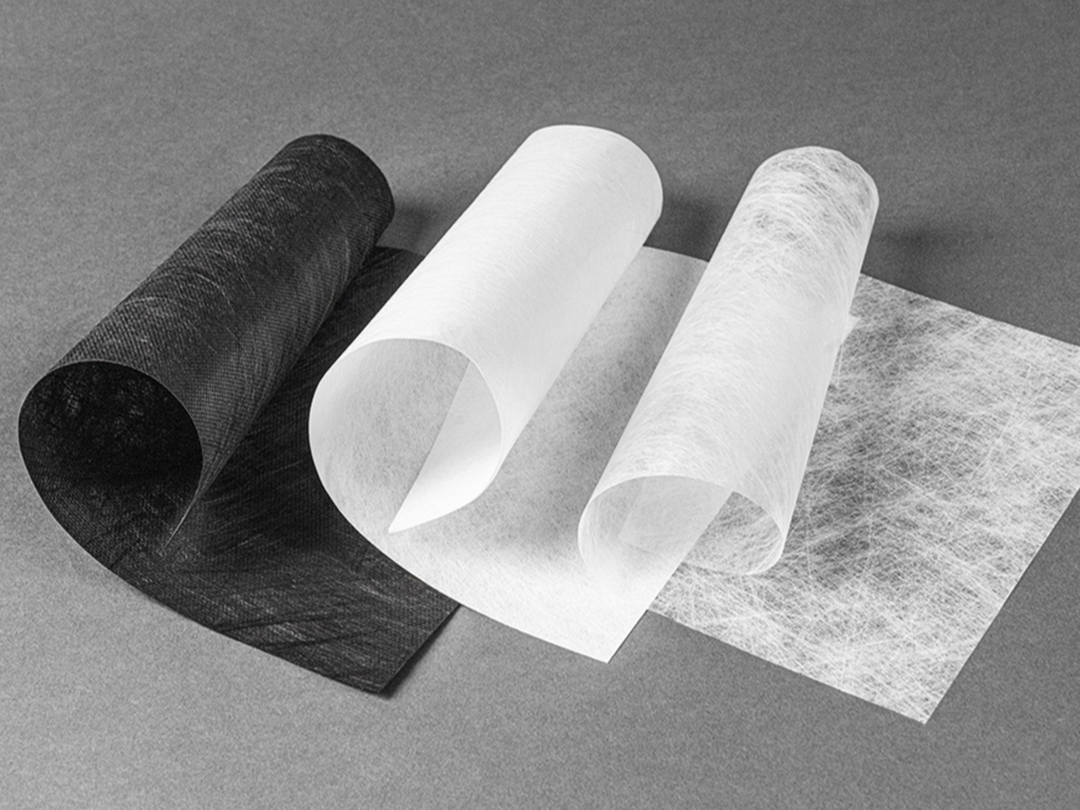
Freudenberg Performance Materials’ customizable fine denier spunbond nonwoven materials, available as bicomponent or mono-fibres, can be used to produce lightweight desiccant bags and coating substrates, among other applications.
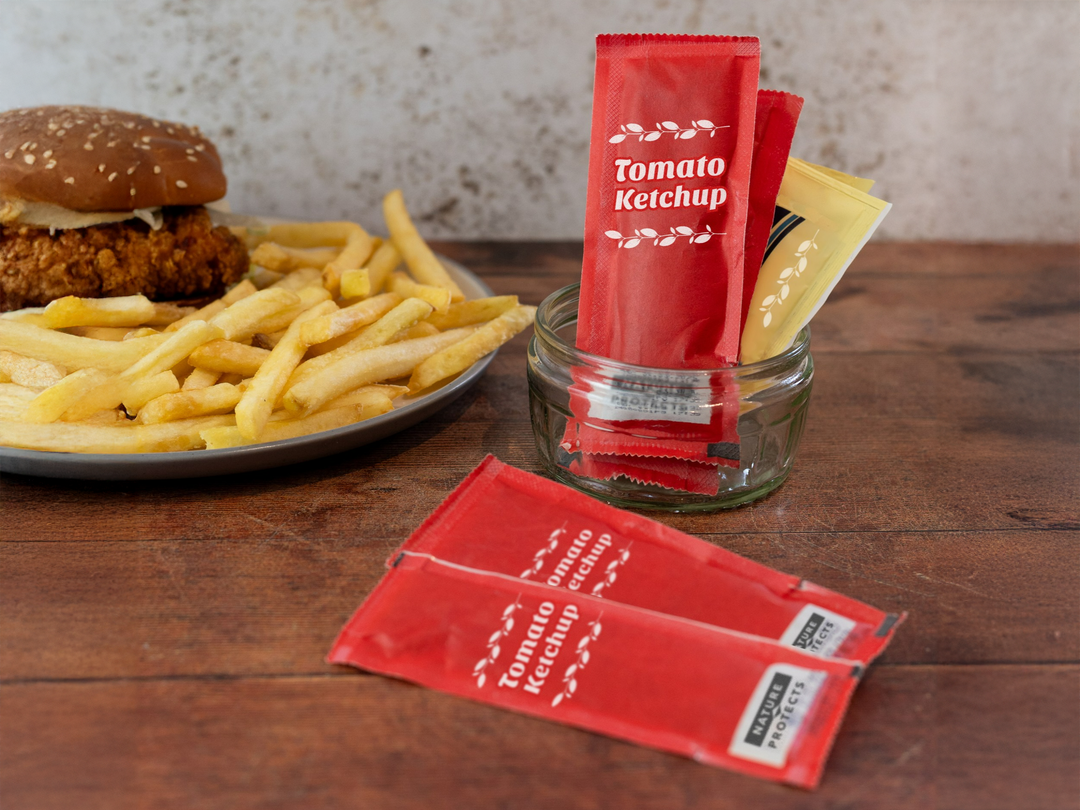
Futamura, flexible packaging company Repaq and machine producer GK Sondermaschinenbau have teamed up to create a compostable solution for liquid sachet packaging, designed for wrapping ingredients such as ketchup, mustard and cooking sauces or hand cream.

Starbucks has launched its new white takeaway cup in Europe, replacing its plastic lining with a mineral-based coating and the single-use plastic lids with fibre alternatives, also with a mineral-based coating.