
Siegwerk launches ink that also acts as oxygen barrier
Siegwerk has launched a new white printing ink that also provides an oxygen barrier – an innovation that aims to combine two layers into one.
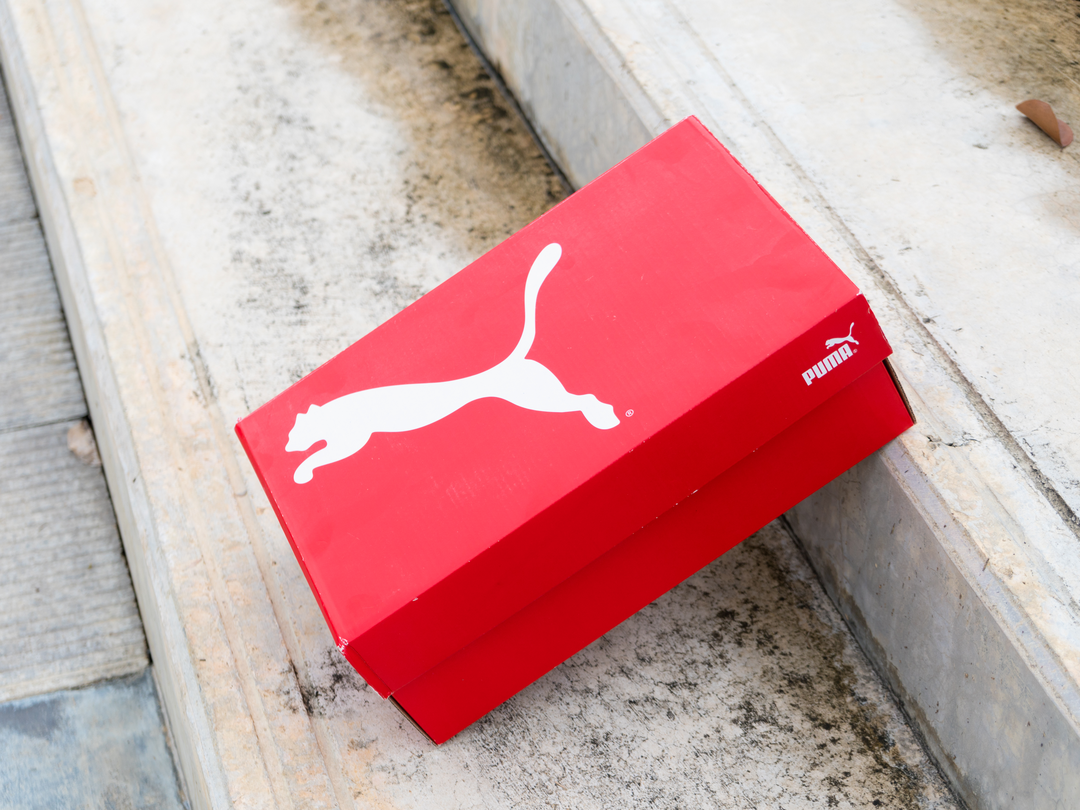
In its 2024 Sustainability Report, PUMA claims to have achieved 99.5% paper packaging, derived 99% of its paper and cardboard from recycled or FSC-certified sources, sold zero plastic shopping bags in-store, and eliminated single-use plastics from its global offices.

Bain & Company has published a new report on luxury packaging in collaboration with Fedrigoni Group, projecting that within the next three years, more than 30% of all luxury packaging sales are expected to use sustainable solutions.
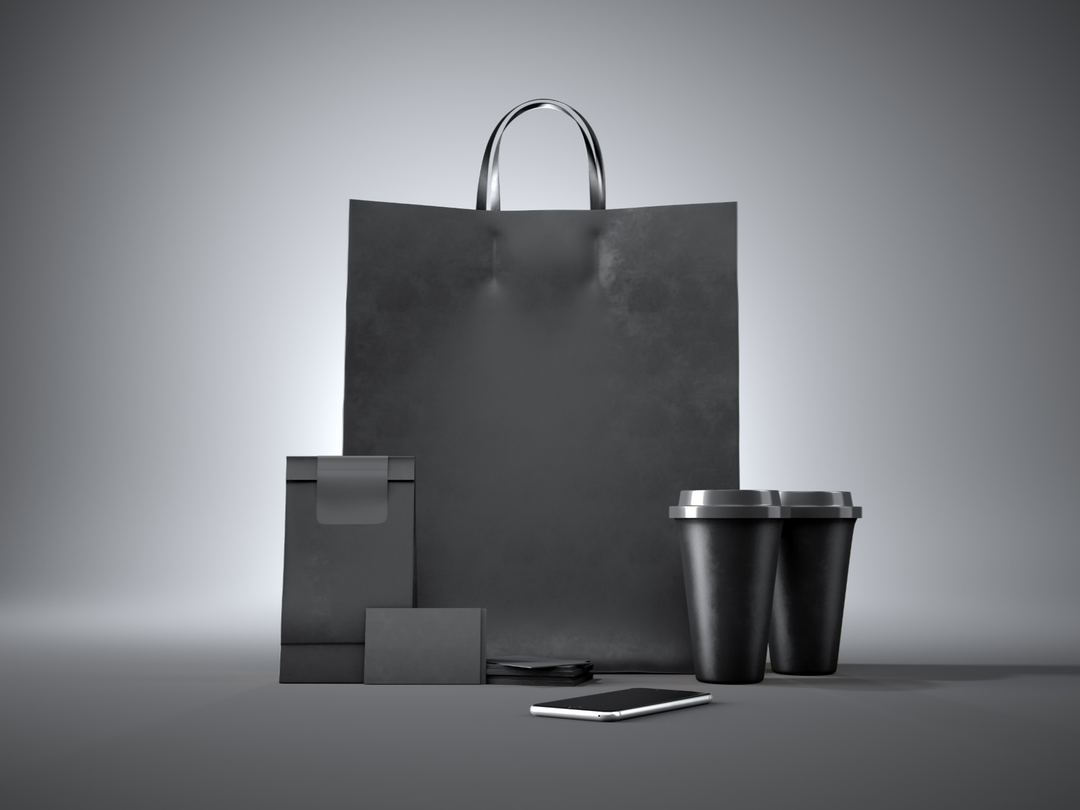
Paper and board supplier Chapelton has launched its Sustaina range of packaging papers and boards, featuring Sustaina Black – said to be the ‘world’s first’ carbon-free black pigmented barrier-coated paper and board.
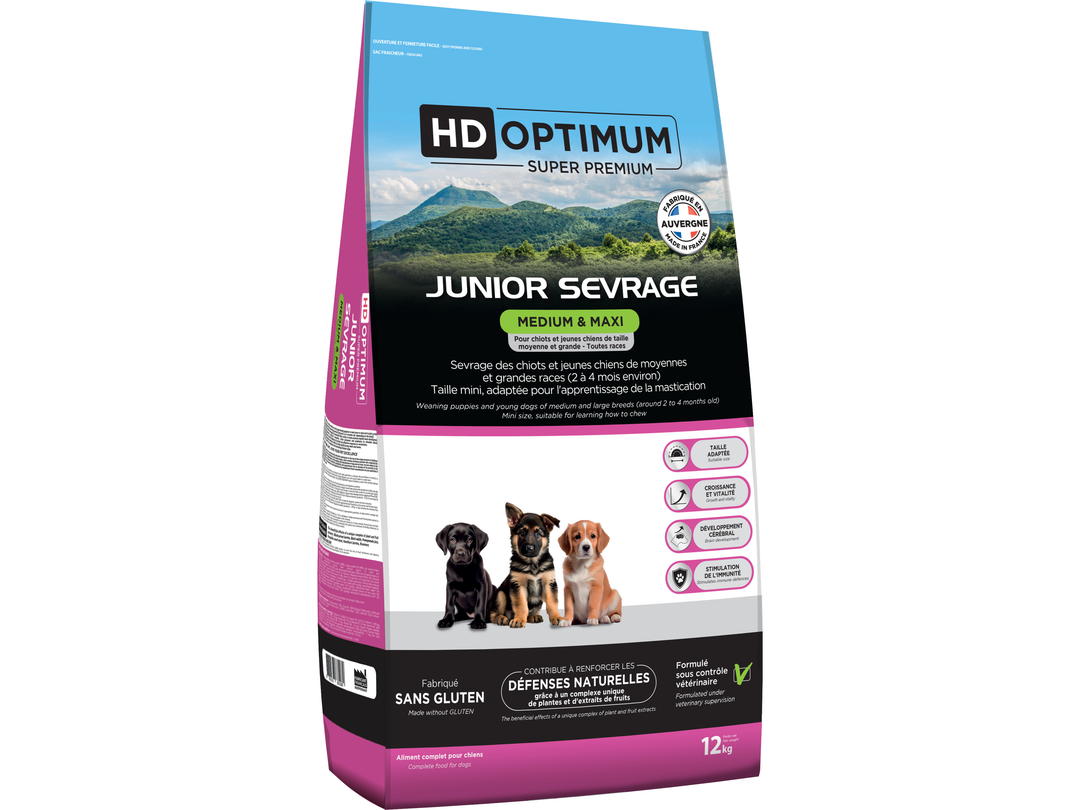
Mondi has worked with Saga Nutrition to develop mono-material dry pet food packaging that balances a recyclable design with high-barrier protection.

Mondelēz, Mars, Nestlé, L’Oréal USA, and Walmart are among the big brands suspected of leaving the U.S. Plastics Pact in the past few weeks. What does this mean in practical terms? Tim Sykes, Packaging Europe’s brand director, investigates.
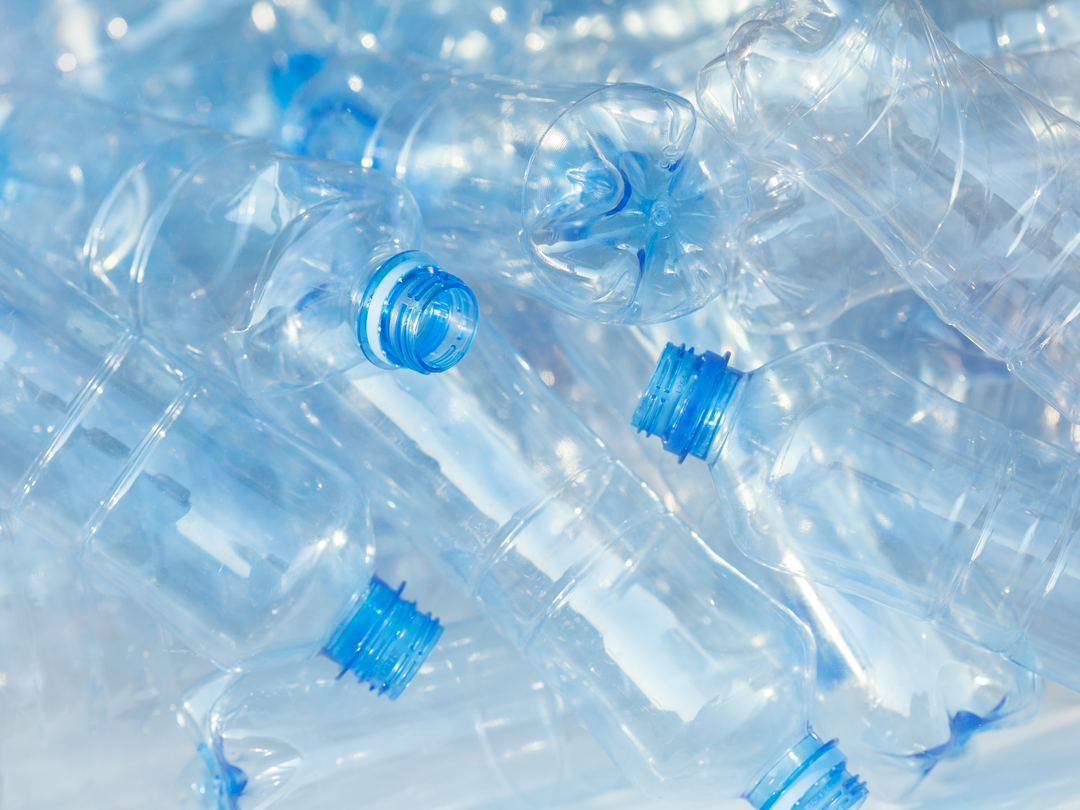
The European PET Bottle Platform has become a liaison organization to the European Committee for Standardisation’s Technical Committee – a move set to promote bottle-to-bottle recycling for PET in upcoming design for recycling legislation.
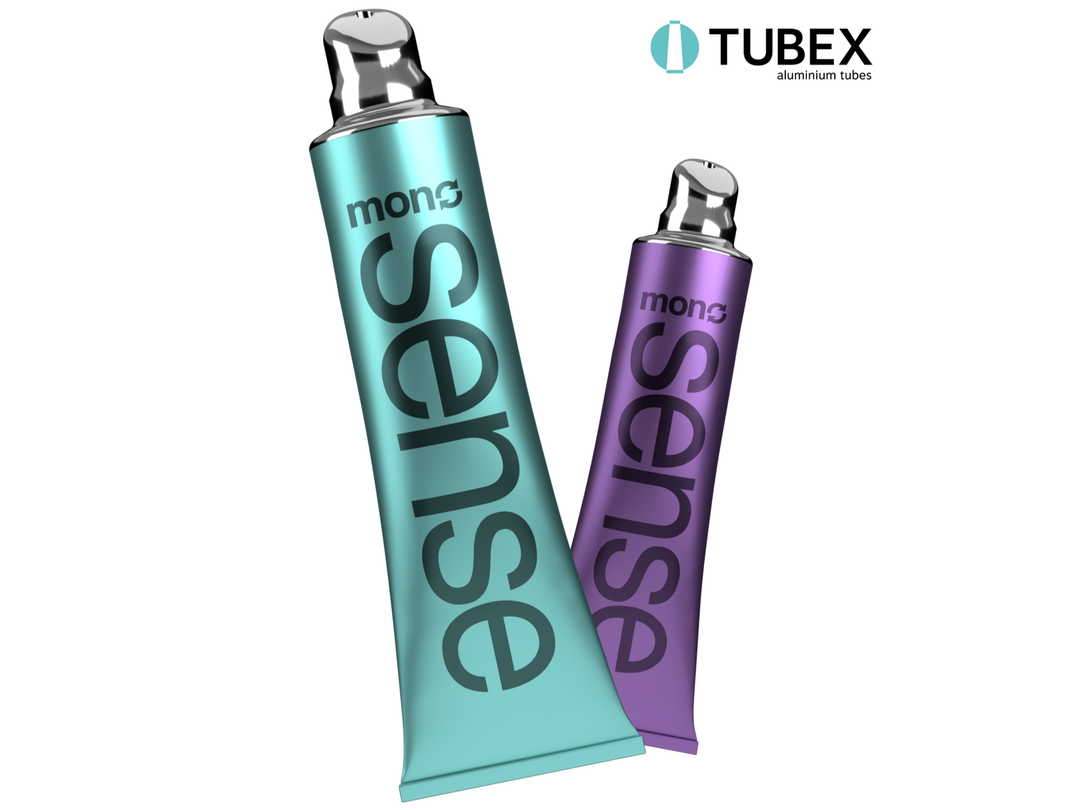
TUBEX has unveiled what it claims is the ‘world’s first’ applicator tube made entirely from a single piece of recycled aluminium, designed for applying beauty products to the eye and lip areas.
Tetra Pak has released its 2024 (FY24) Sustainability Report, highlighting a 25% reduction in value chain greenhouse gas (GHG) emissions since 2019 and a 54% emissions reduction and 94% renewable energy consumption in its own operations.
Establishing a structured approach to simplify and address complex tasks, such as the EU PPWR, is the first step toward its successful resolution.

Could we use the hero’s journey framework to retell the story of sustainable packaging? And could that story help our industry make sense of the challenges we’re facing, and find motivation for the road ahead? Olga Kachook, SPC Director at GreenBlue, takes a closer look.
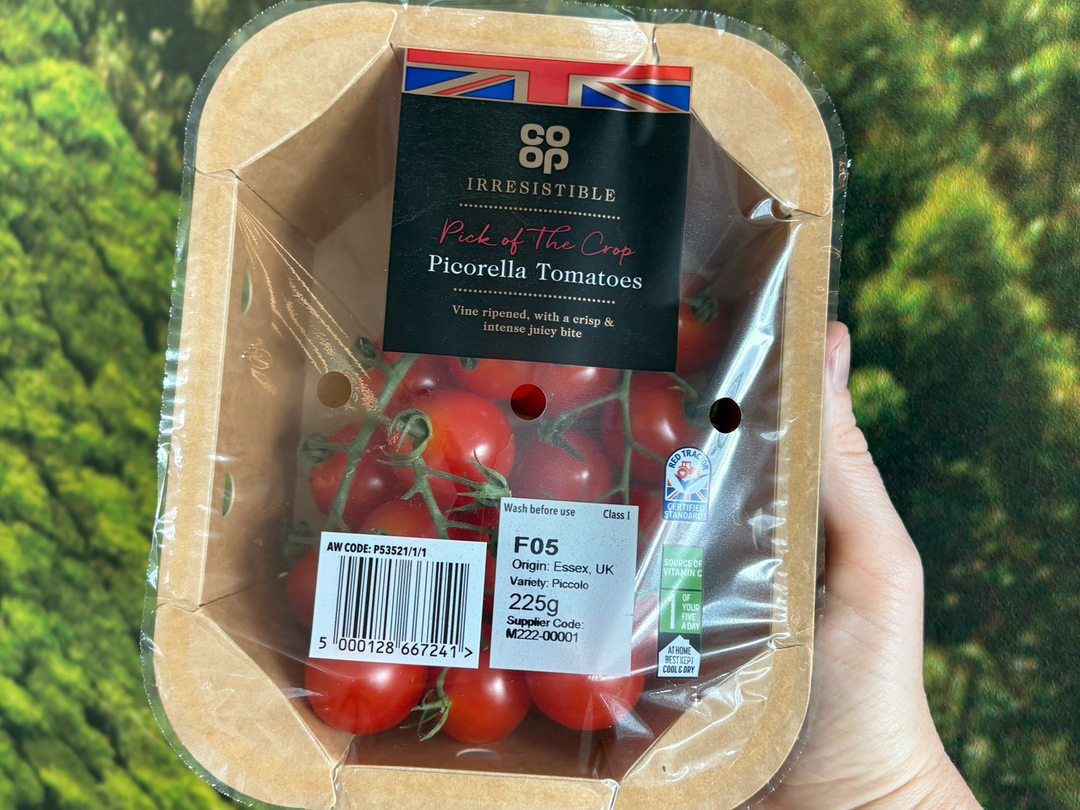
By adopting a bag-in-box mini bite bakery format, solid board tomato punnets, and fibre-based composite packaging for its steak cuts, Co-op plans to remove 115 tonnes of plastics from its own-brand ranges every year.
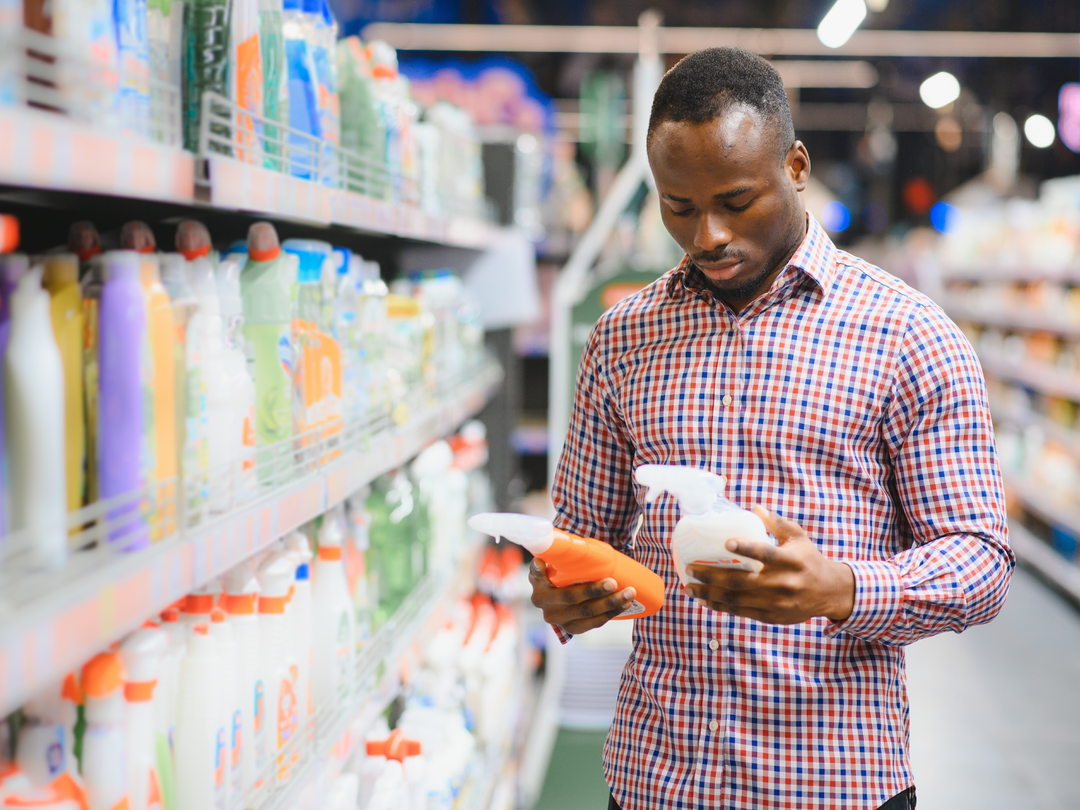
Consumers in the US currently value a pack’s cost, convenience, shelf life, and other factors over its sustainability, a McKinsey survey suggests – an outcome potentially driven by economic uncertainties, lifestyle changes, and gaps in knowledge.