
Siegwerk launches ink that also acts as oxygen barrier
Siegwerk has launched a new white printing ink that also provides an oxygen barrier – an innovation that aims to combine two layers into one.
With new regulation the world over, uncertainty on the plastic treaty outcomes, rapid technological advancements, and geopolitical risks, it may be harder than ever for organisations to plan ahead. To help navigate this landscape, Yoni Shiran, Manuel Braun and Paula Petersen of Systemiq share six…
Siegwerk has introduced its nitrocellulose (NC) free ink series for surface printing on polyethylene (PE) and polypropylene (PP) packaging solutions, developed to meet packaging design guidelines such as those from RecyClass and CEFLEX.
As the Packaging and Packaging Waste Regulation enters into force, we have compiled all its essential deadlines into one list, starting with this year’s expectations and looking all the way out to 2040.
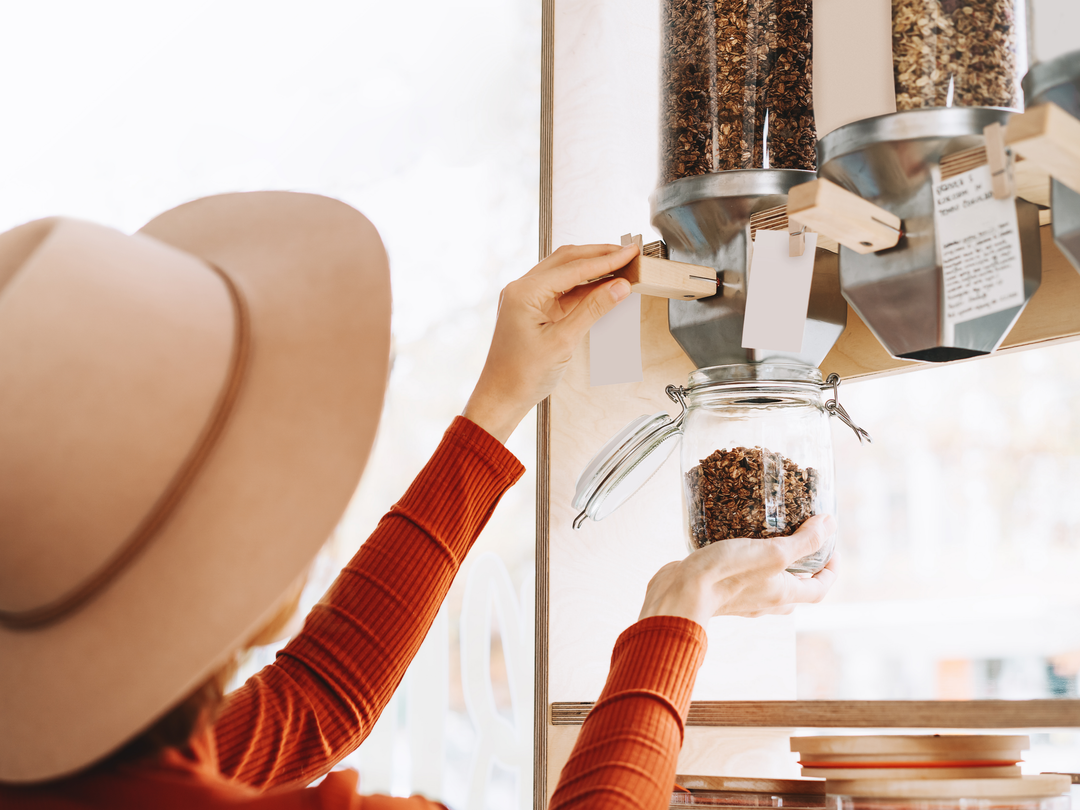
Research from environmental charity City to Sea suggests that 69% of UK consumers hold the government responsible for setting legally binding reuse and refill targets in order to tackle single-use packaging waste.
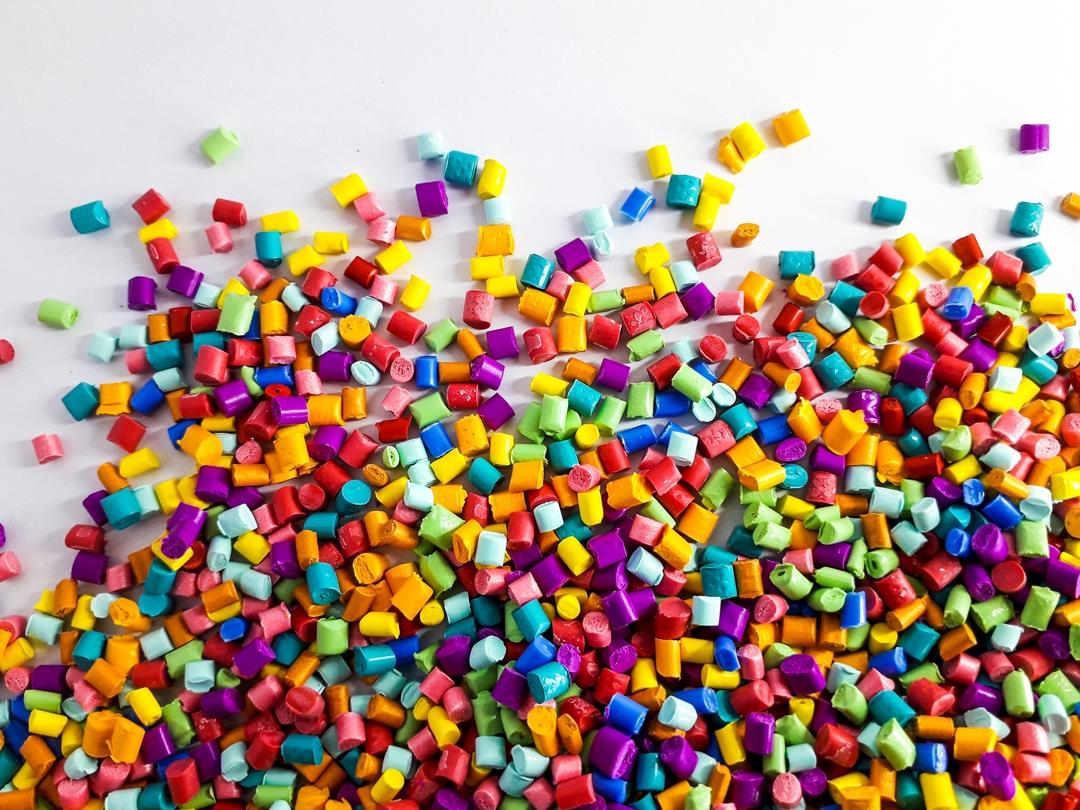
The use of post-consumer polypropylene in food packaging faces a major obstacle: proving the absence of harmful substances. In this article, Professor Edward Kosior and Paul Marshall of Nextek and NEXTLOOPP, share insights into a European-wide initiative that is aiming to overcome this challenge.
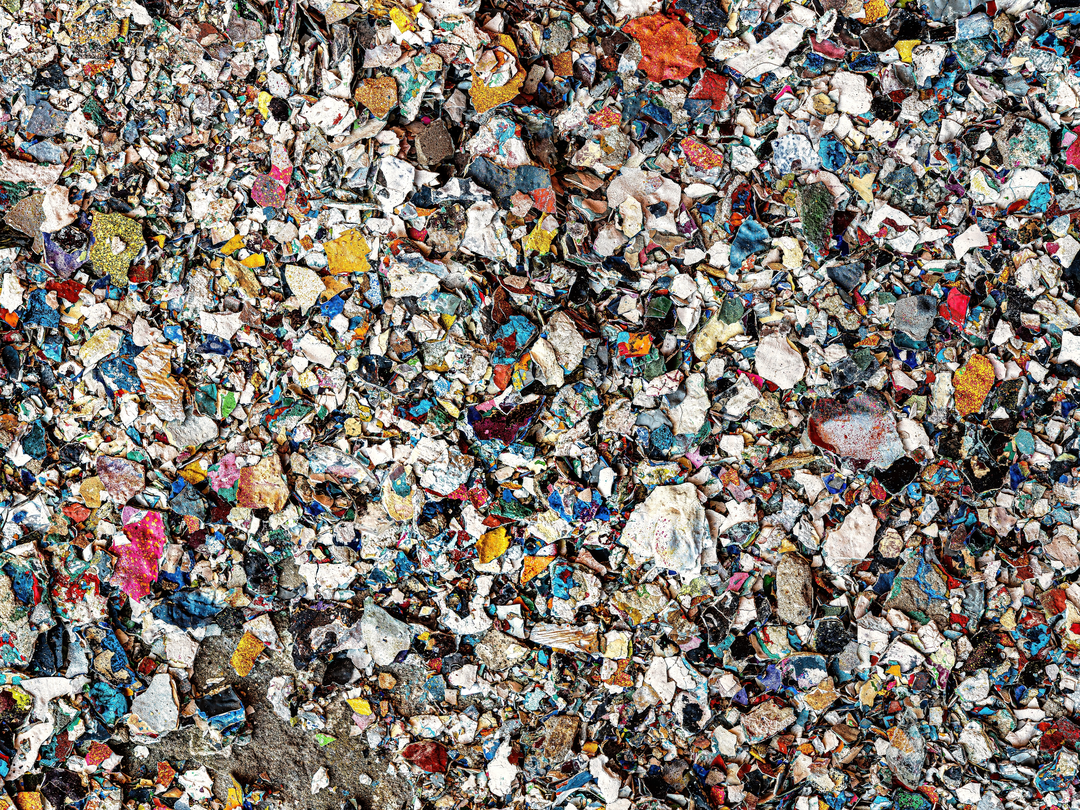
‘Downcycling’ plastic – i.e. recycling waste without sorting it – has ‘almost as much’ climate impact as incinerating it, according to a life cycle assessment from IVL Swedish Environmental Research Institute, Swedish Plastic Recycling (Svensk Plaståtervinning), and LCA researcher Tomas Evkall.
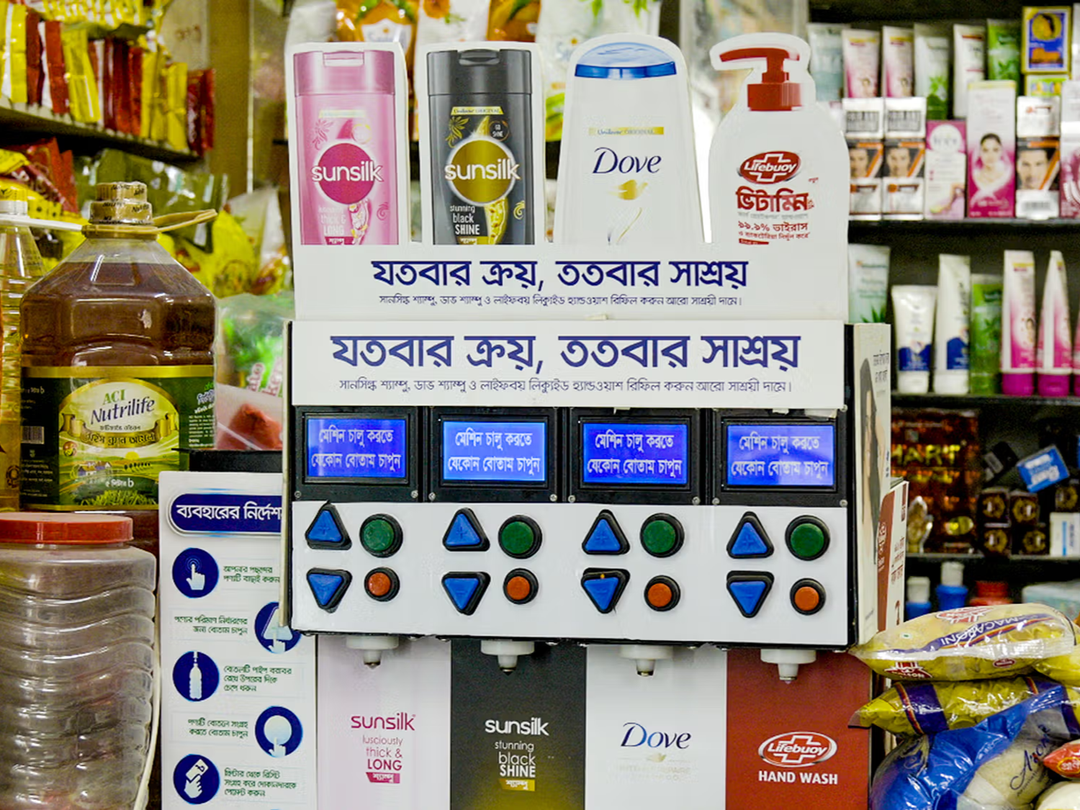
Unilever has helped pilot refill solutions at local markets and supermarket chains across Sri Lanka, Bangladesh, and Indonesia – targeting convenience, control over product quantity and price, and an overall reduction in flexible plastic sachets.
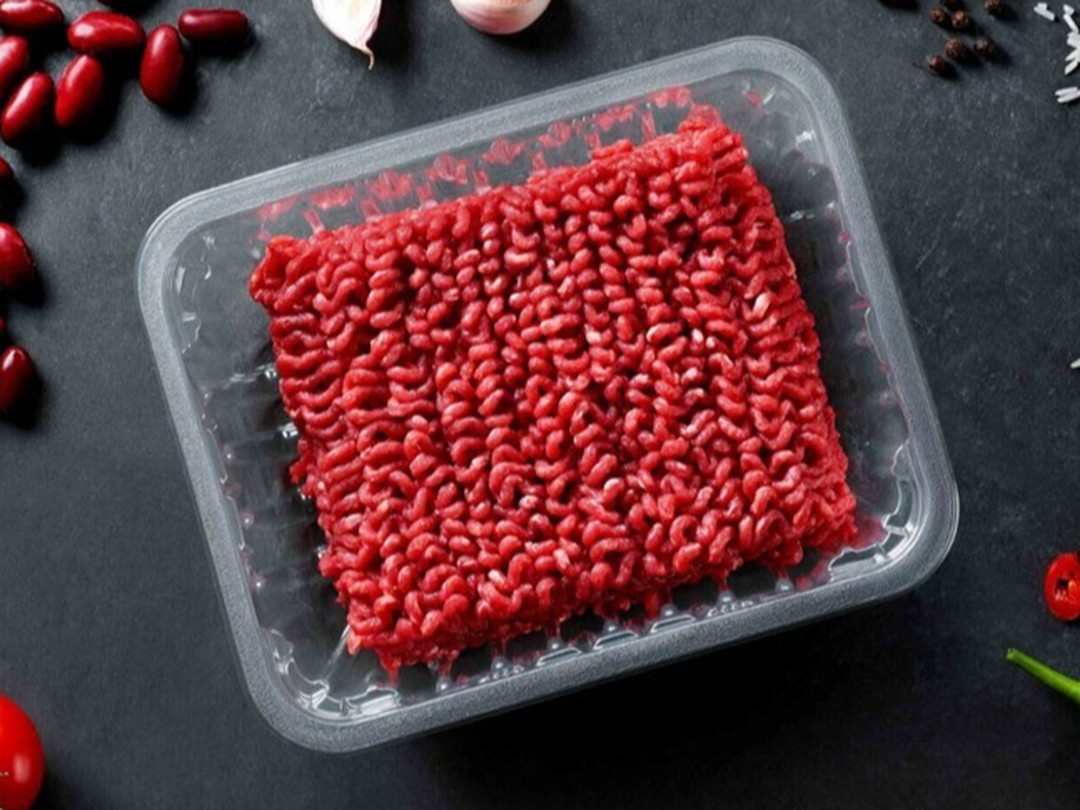
Tesco and Hilton Foods will package the retailer’s own-brand minced beef product in Klöckner Pentaplast (kp)’s ‘first-ever’ 100% rPET food trays made from recovered tray material, hoping to help unlock full circularity for food packaging.
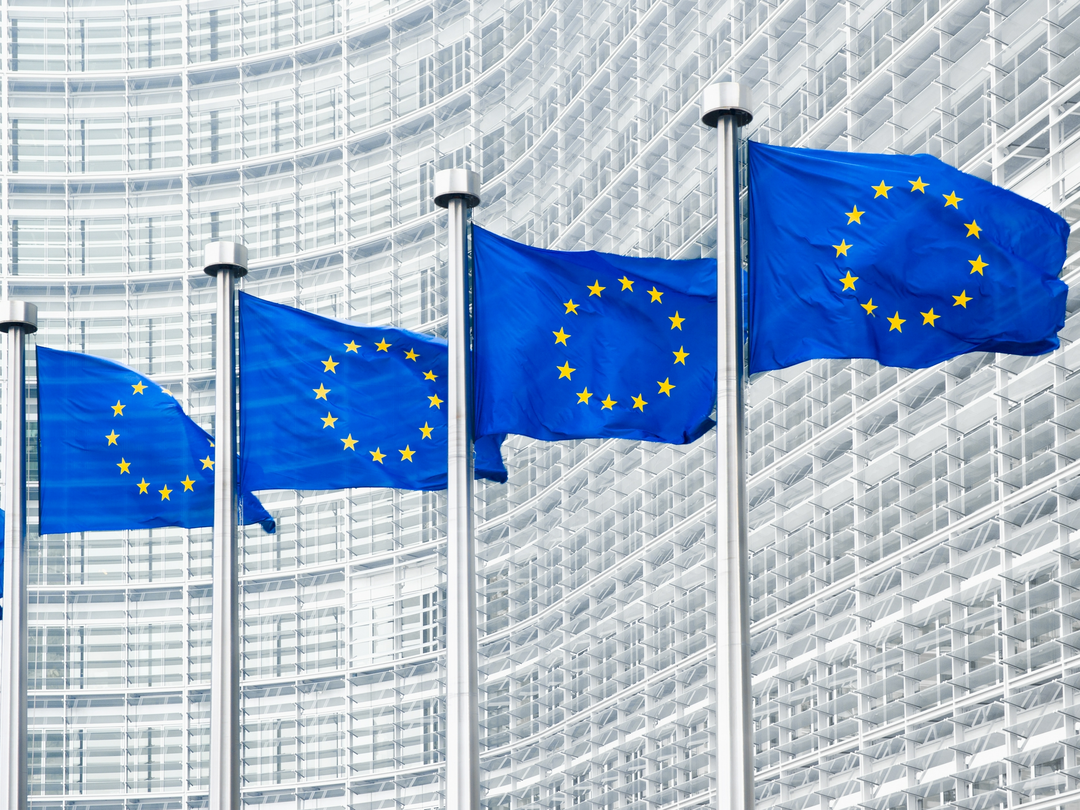
Under EU State Aid rules, the European Commission has approved a €500 million French scheme to support chemical recycling that converts mixed and/or contaminated plastic waste back into ‘virgin-like’ raw materials.
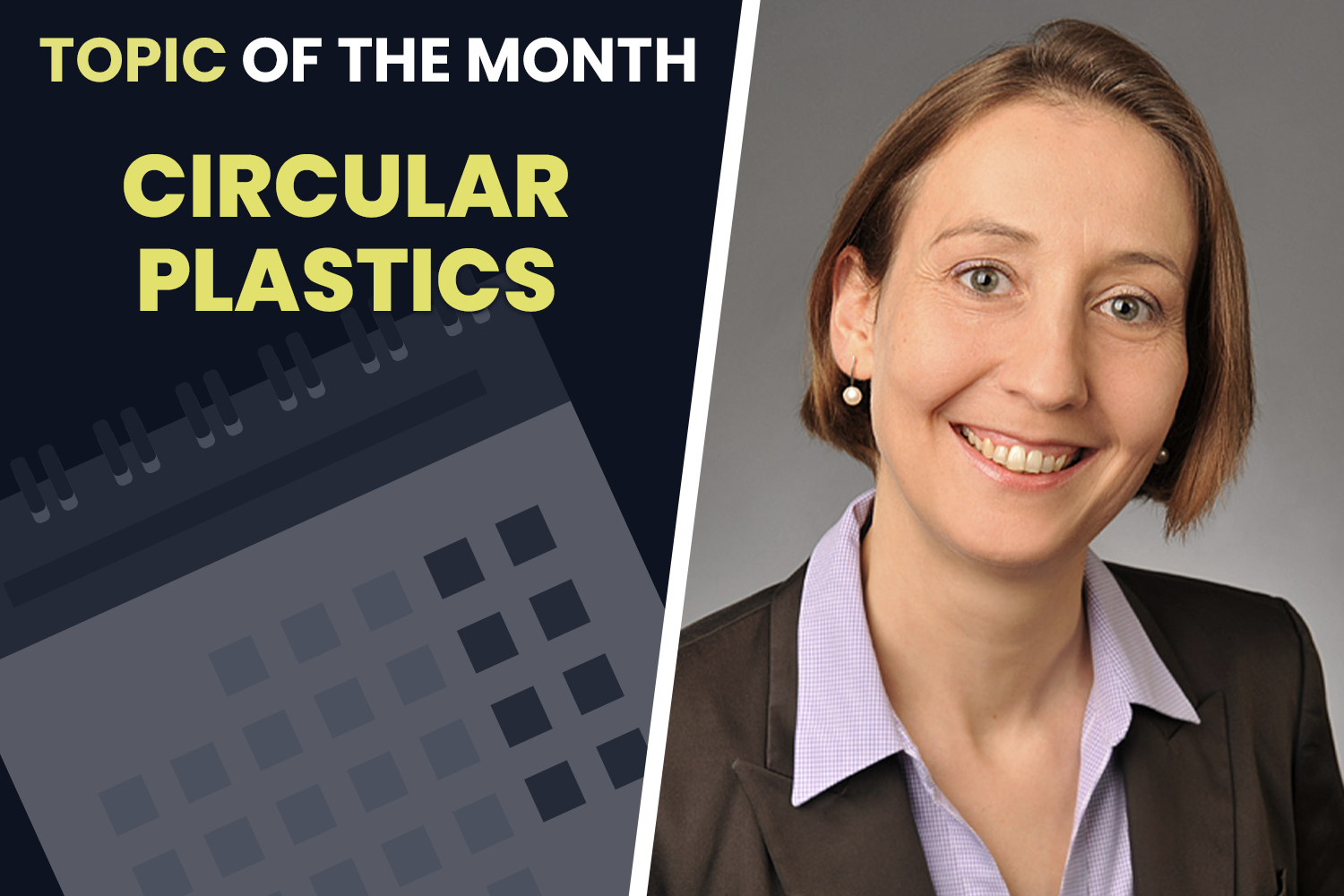
H.B. Fuller’s Global Packaging Sustainability Manager, Elizabeth Staab, sits with Libby Munford, Editor, Packaging Europe in the pioneering podcast of our ‘Topic of the month’ series.
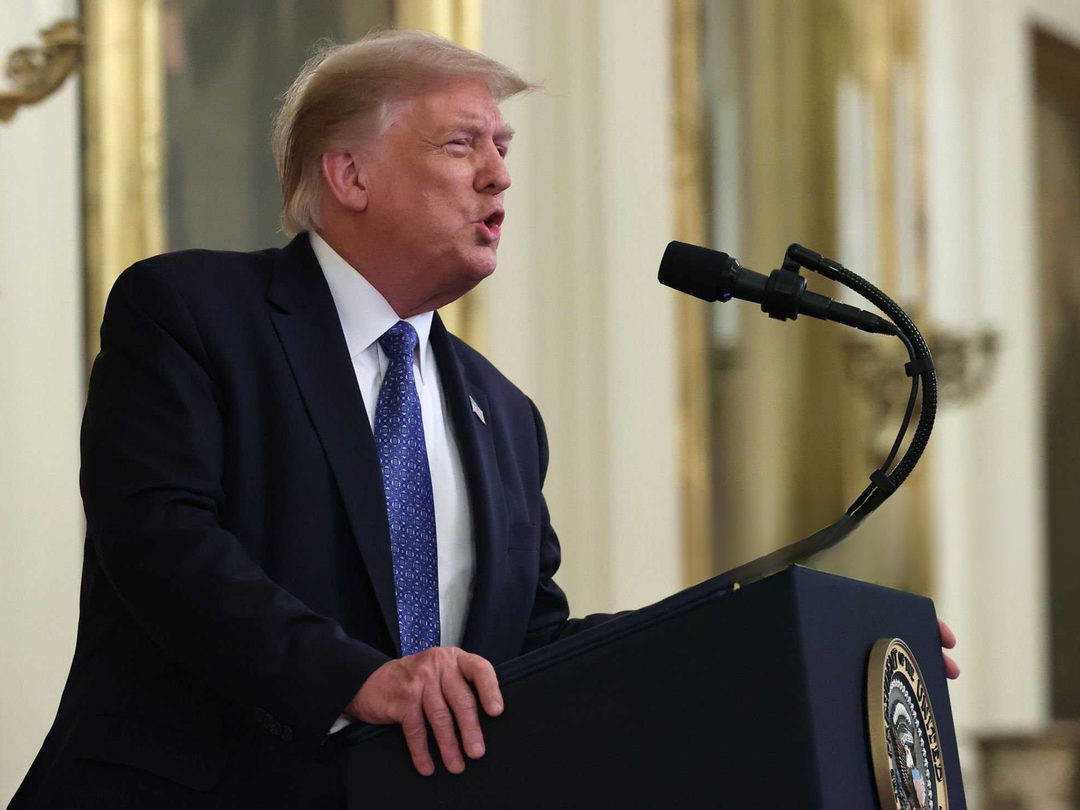
Donald Trump is overriding plans to phase out single-use plastics across the US federal government in retaliation to paper straws – but his “back to plastic” approach will exacerbate pollution and fails to consider alternative materials, critics claim.
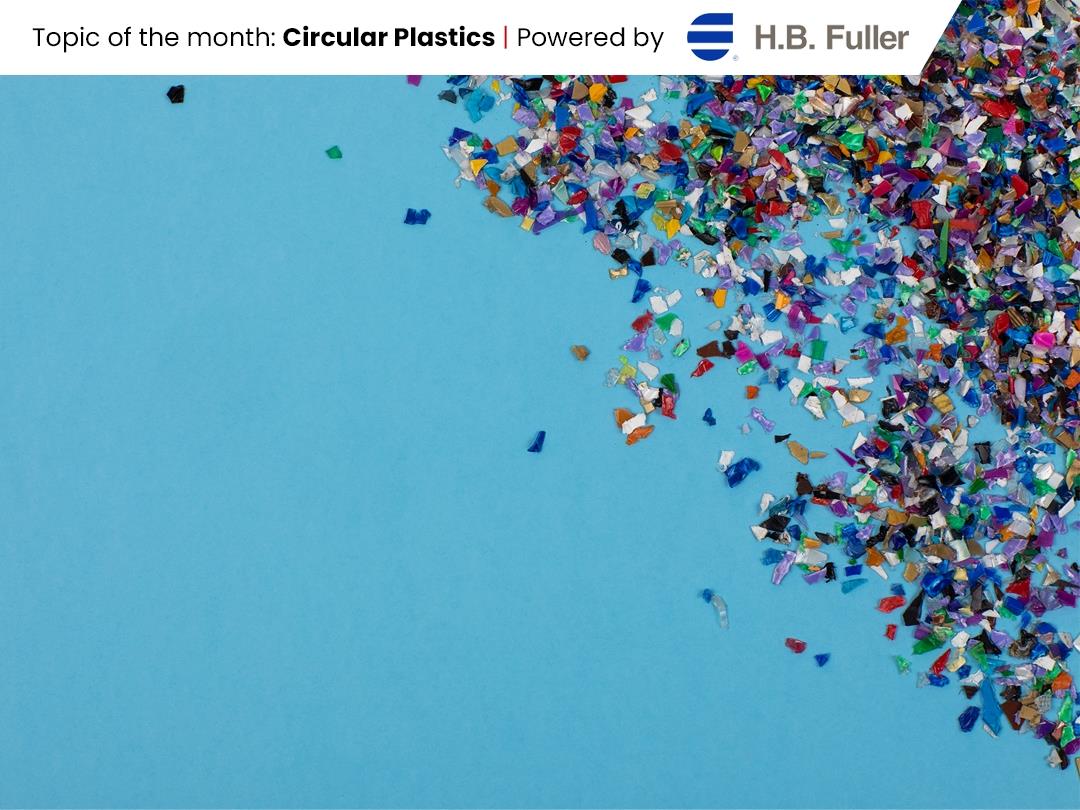
We’re all familiar with the shocking statistics by now: in 1950, the world produced just two million tonnes of plastics. It now produces over 450 million tonnes. However, according to a Plastics Europe report: circular plastics now account for 13.5% in new plastic products manufactured in Europe.…