
Siegwerk launches ink that also acts as oxygen barrier
Siegwerk has launched a new white printing ink that also provides an oxygen barrier – an innovation that aims to combine two layers into one.
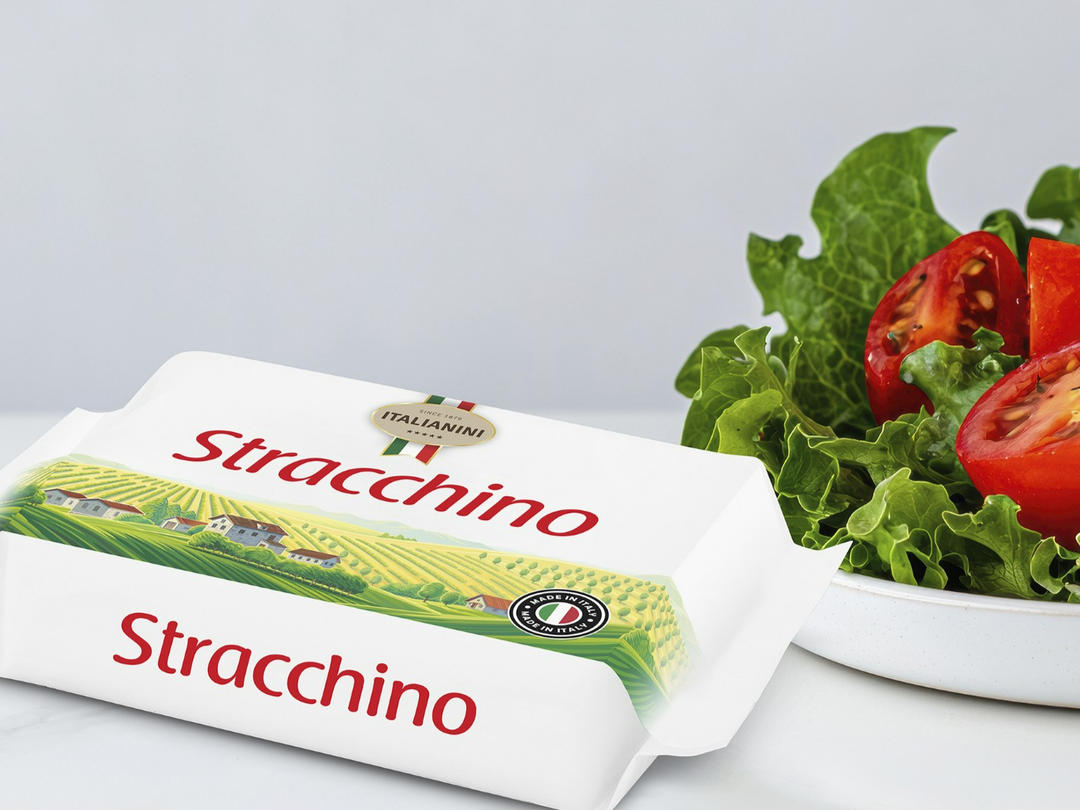
Lecta has introduced its Linerset FP barrier base paper for converters and printers, designed for flexible packaging and seeking to offer a strong translucent alternative for bags, pouches and wrapping applications.
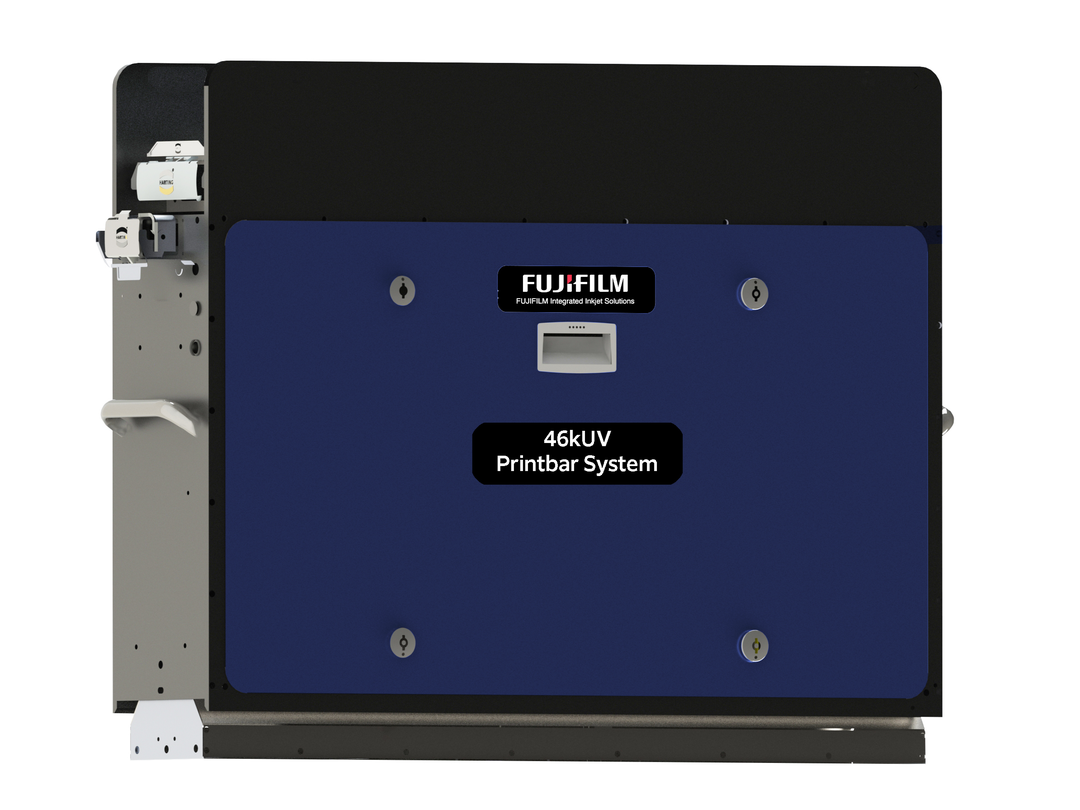
Fujifilm’s on-demand metallization ECOLEAF solution is now compatible with ACTEGA’s 46kUV Inkjet Printbar, unlocking a fully digital, higher resolution process for embellishing labels and negating the need for foil reels or PET carrier films.
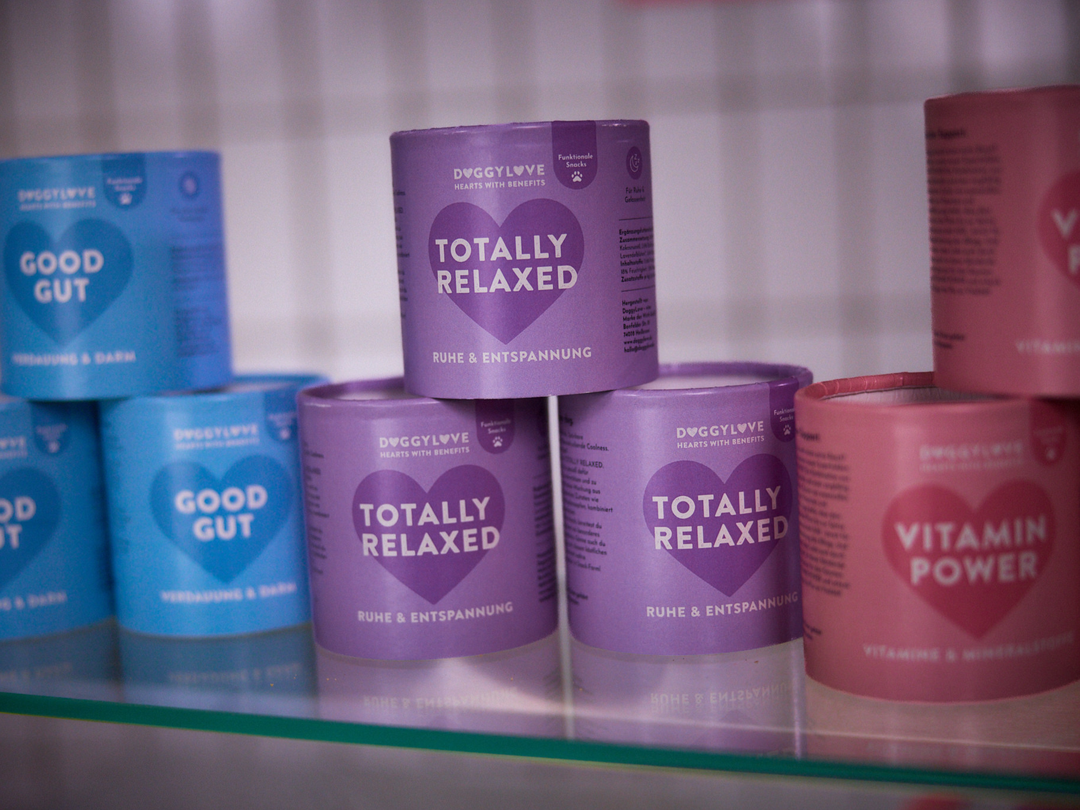
Designed to contain up to 98% paper content and facilitate home recyclability, Sonoco’s GreenCan solution has been utilized by start-up DoggyLove to package its plant-based pet treats.
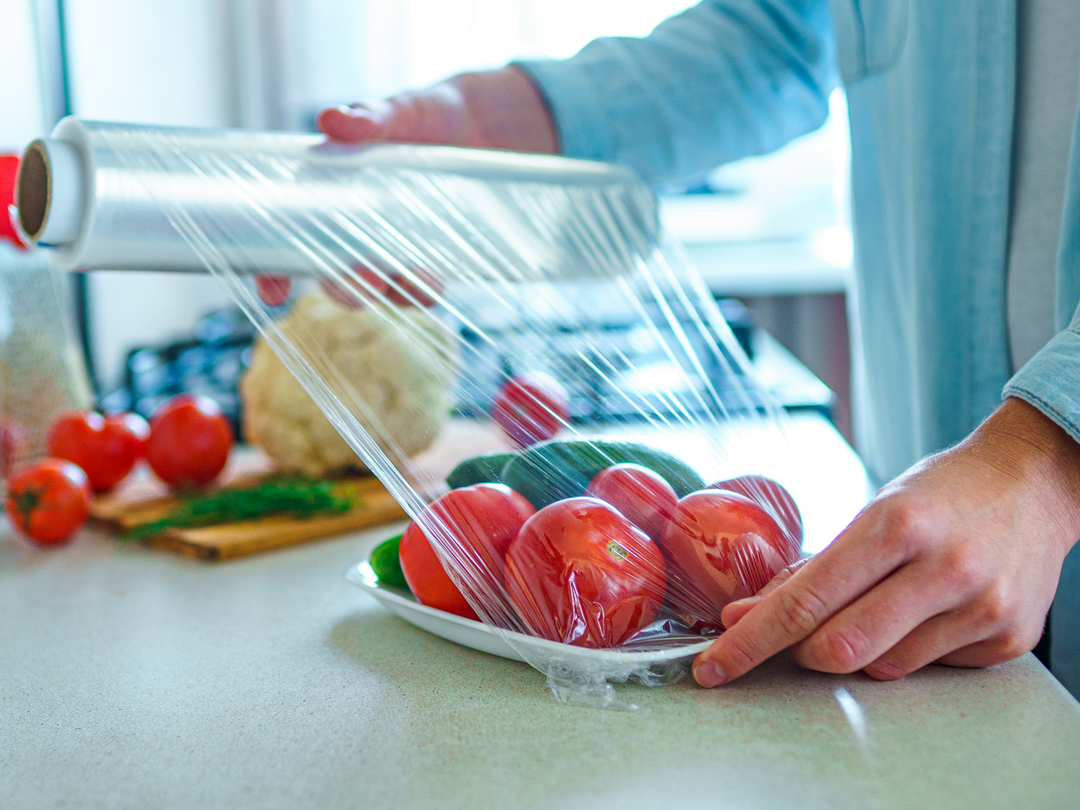
Nextek and Coveris have announced a partnership aiming to convert post-consumer polyolefin (PE and PP) packaging waste into food-grade recycled resins and films using Nextek’s COtooCLEAN process.
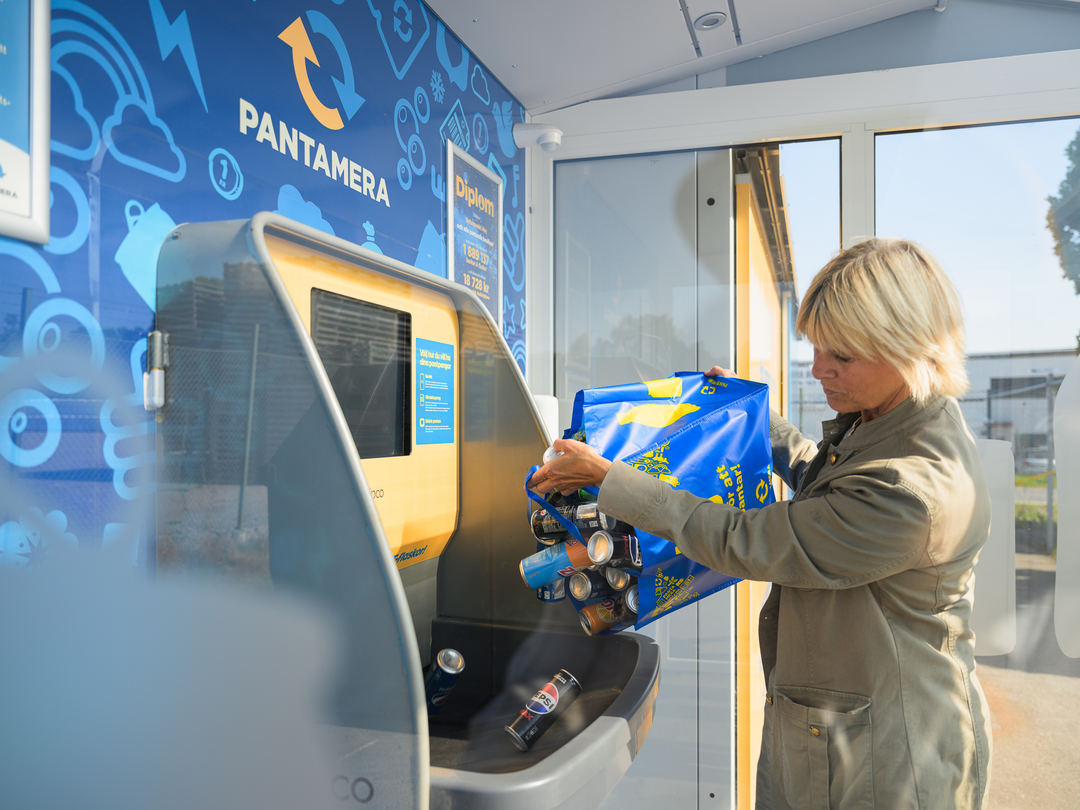
According to new data from Sweden’s Deposit Return System (DRS) operator Pantamera (Returpack), more than 2.8 billion PET bottles and aluminium cans were returned in 2024 – a 6% increase from the previous year, with every person in Sweden recycling 271 containers on average.
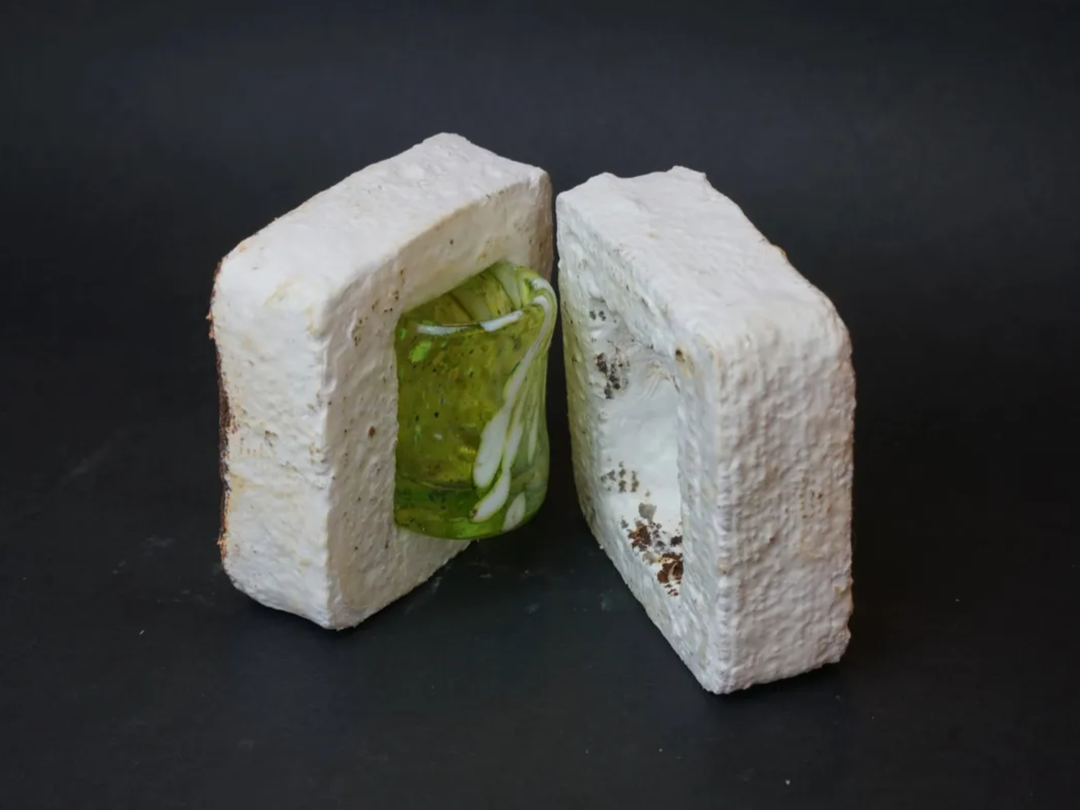
Researchers at the University of Washington have mixed coffee grounds, mushroom spores, and mycelium to 3D-print a ‘compostable’ packaging material said to perform similarly to polystyrene dunnage.
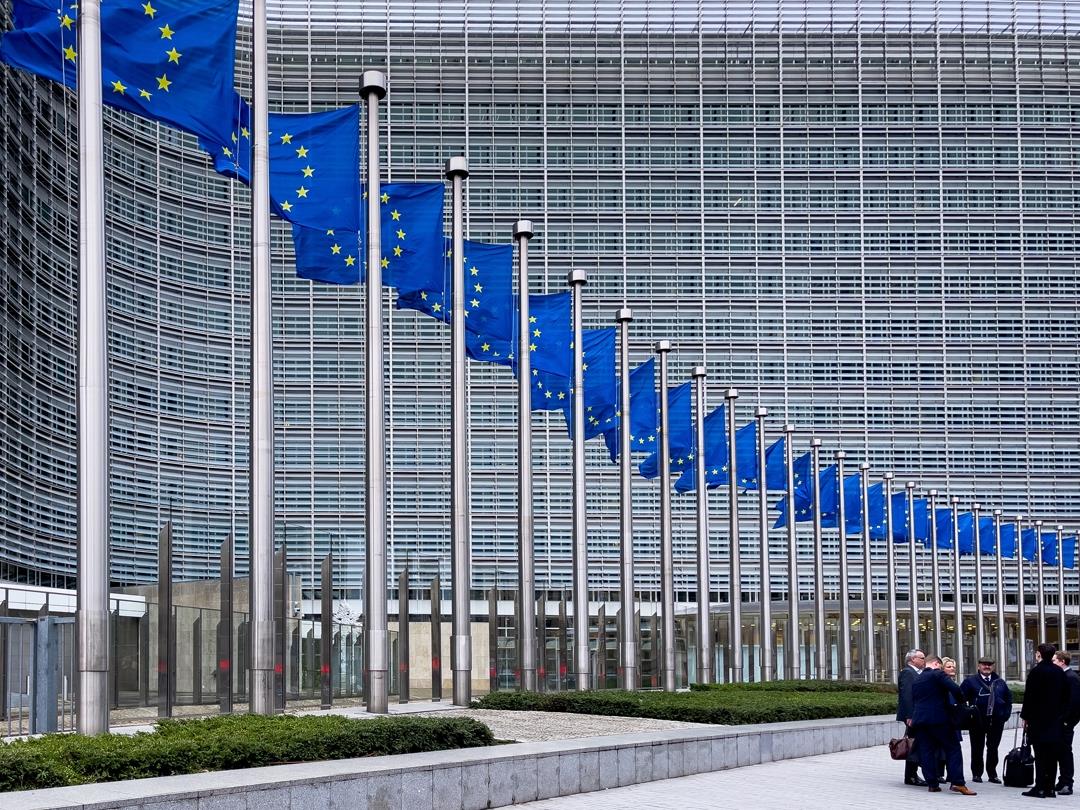
In this insight article, Matt Tudball, Helen McGeough, Valentina Di Micco and Carolina Perujo Holland of ICIS share what they know regarding the SUPD and its implementation, address areas of uncertainty, and explain the impacts the SUPD has already had on the market.
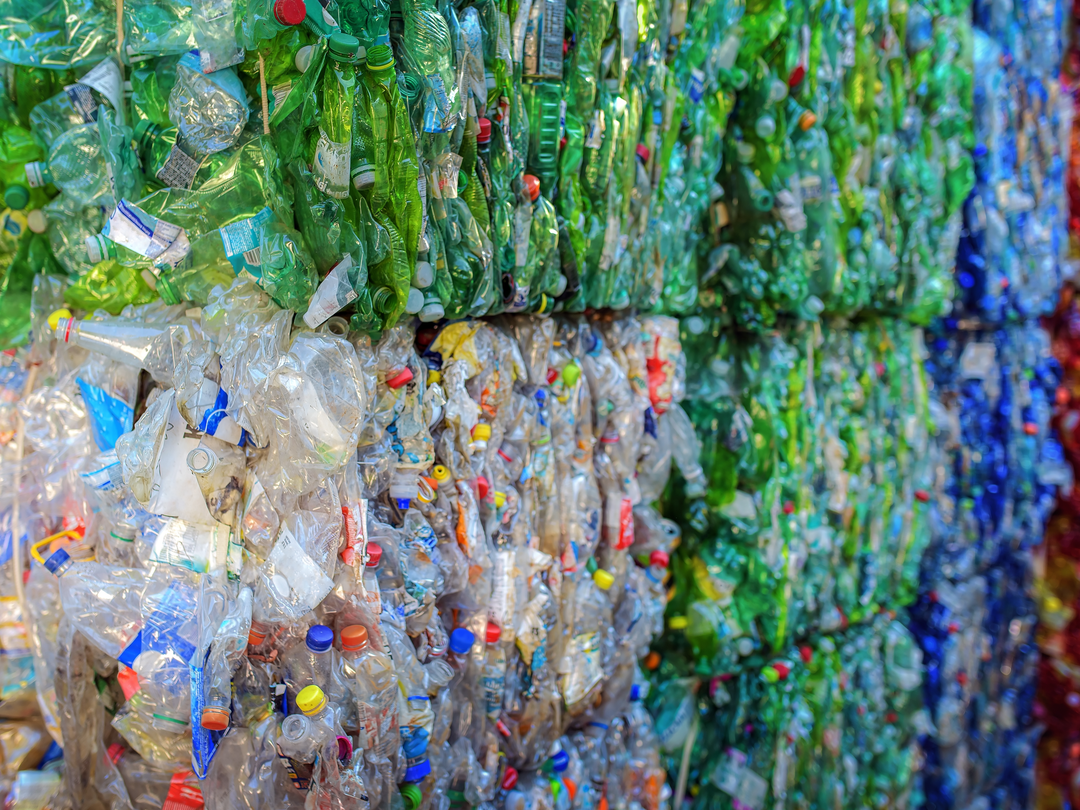
Plastics Recyclers Europe has noted the slowest growth in Europe’s plastic recycling capacity ‘in years’, blaming a decline in domestic production, increases in imports, and company closures due to economic pressures.
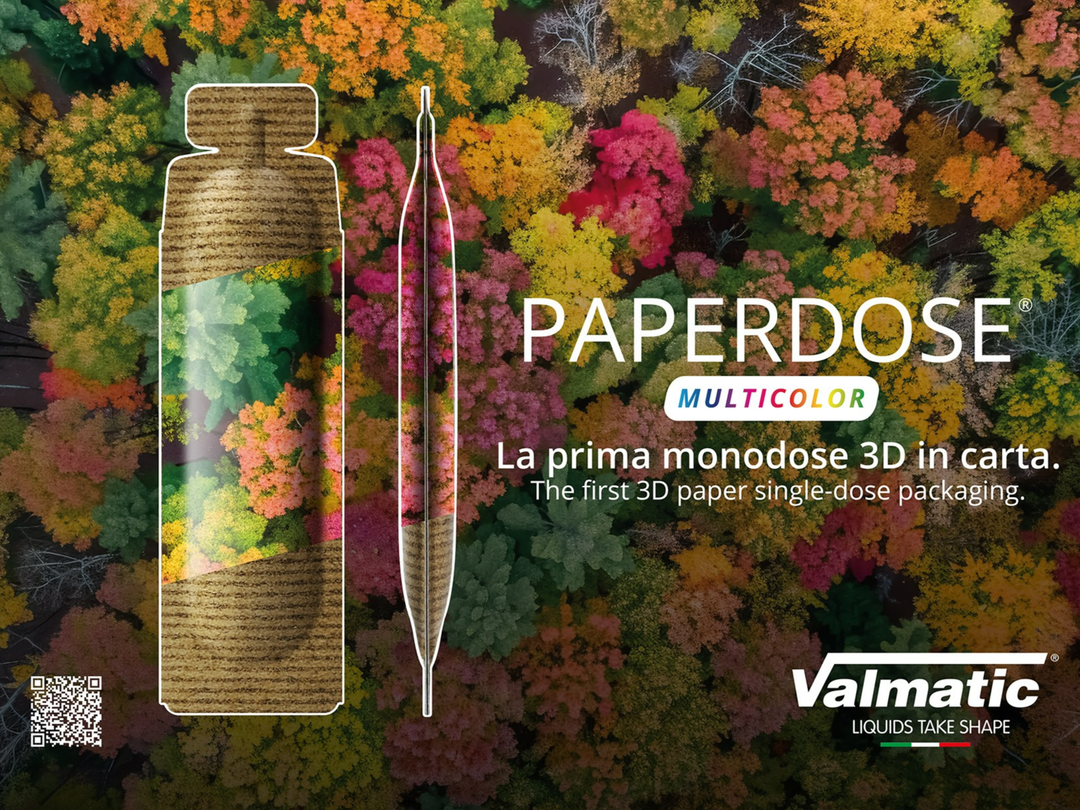
Valmatic has revealed its PAPERDOSE Multicolor solution for single-dose packaging said to ensure zero waste, reduce CO2 emissions and adapt to various production runs.

Following the US government’s imposed tariffs on steel and aluminium, Cepi has called on the European Commission to continue negotiations, citing the potential for future tariffs including pulp and paper and aiming to avoid supply chain disruptions.
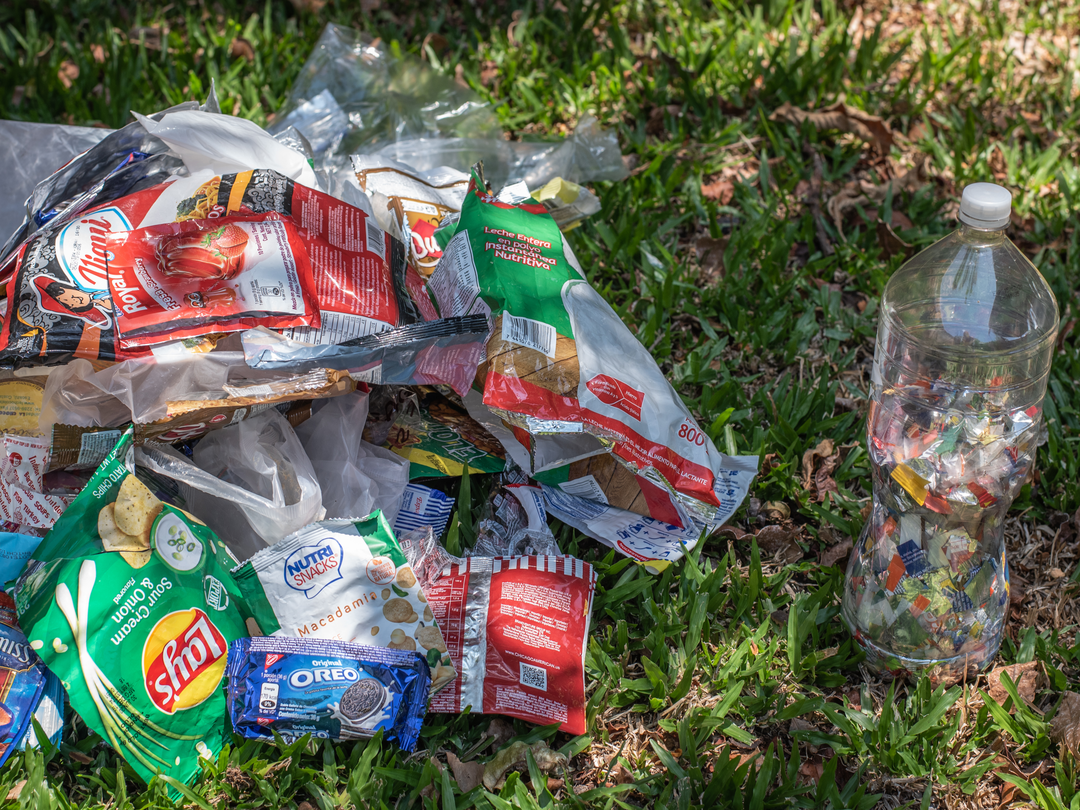
GPT Circular and iQRenew have finalized quality and specification criteria for the use of Australian soft plastics in global advanced chemical recycling – a move set to keep contamination low, ensure efficient processing, and result in food-grade packaging materials.
We are faced with real challenges in the world of packaging and different industry groups and manufacturers each choose a particular emphasis which means it is difficult to see what is the priority for manufacturers (in my case in food), retailers and regulators. Packaging Europe seeks to cut…